






Definition & Meaning
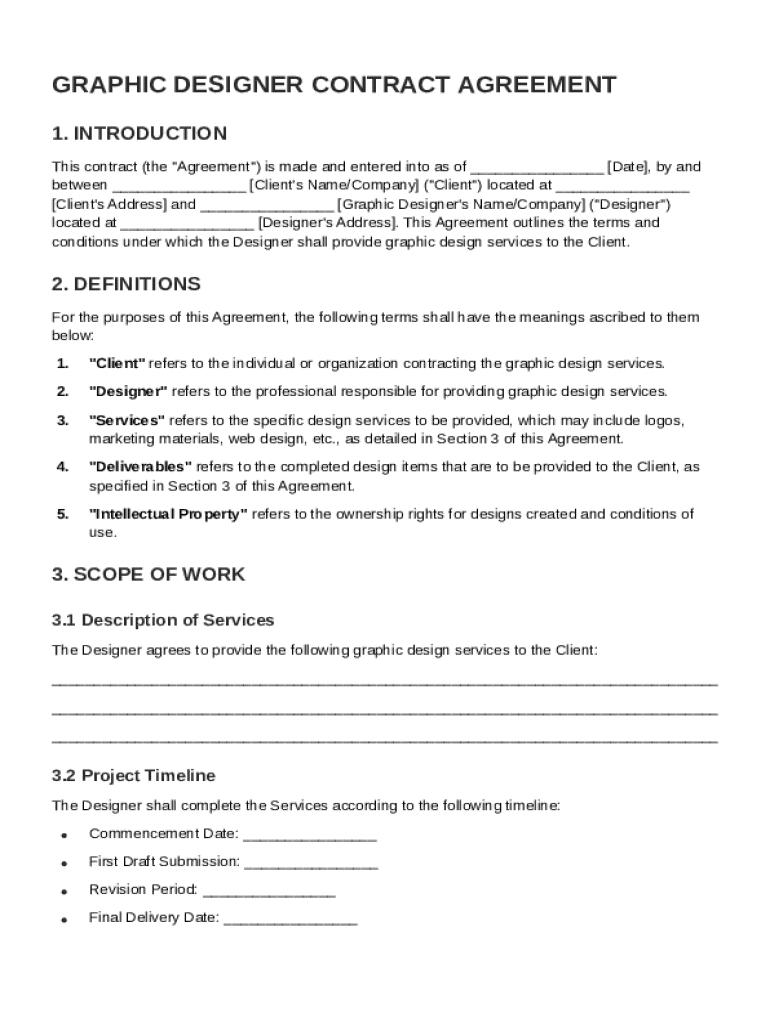
The Graphic Designer Contract Template serves as a formal agreement between a client and a designer, delineating the terms and conditions of graphic design services. It ensures clarity regarding responsibilities, deliverables, and expectations for both parties involved. This document typically addresses critical elements such as scope of work, payment terms, intellectual property rights, and confidentiality obligations. The template is integral for preventing misunderstandings and disputes, providing a clear framework for the working relationship.
Key Elements of the Graphic Designer Contract Template
The Graphic Designer Contract Template is composed of several key components that detail the engagement between the client and the designer. Key elements include:
- Definitions: Clarifies terminology used throughout the contract, ensuring both parties have a mutual understanding.
- Scope of Work: Outlines the specific services and deliverables expected from the designer, reducing the potential for scope creep.
- Payment Terms: Specifies the payment structure, including rates, payment methods, and schedules, ensuring timely compensation for services rendered.
- Intellectual Property Rights: Defines ownership of the creative work, ensuring the client and designer are clear about usage rights and licenses.
- Confidentiality: Ensures sensitive information shared during the project is protected, safeguarding both parties' interests.
- Termination Conditions: States the circumstances under which the agreement can be terminated, including obligations of both parties upon termination.
How to Use the Graphic Designer Contract Template
Using the Graphic Designer Contract Template involves several steps to ensure all aspects of the agreement are clearly articulated and understood by both parties:
- Customize the Template: Modify the standard template to reflect the specific needs and requirements of the project. Ensure all sections are relevant and descriptive.
- Define Clear Objectives: Clearly articulate the objectives and expectations of both the client and the designer to ensure mutual understanding.
- Detail Payment Arrangements: Clearly outline payment methods, schedules, and any contingency fees to avoid disputes.
- Establish Ownership Rights: Decide and specify the ownership and usage rights for all deliverables created as part of the project.
- Review and Revise: Both parties should carefully review the contract to make necessary adjustments and ensure clarity in every section.
- Sign and Execute: Once all terms are agreed upon, both parties should sign the contract, making it legally binding.
Important Terms Related to Graphic Designer Contract Template
Several key terms are crucial to understanding and effectively using a Graphic Designer Contract Template:
- Deliverables: End products that the designer is expected to provide at the completion of the project.
- Milestones: Key stages or check-in points throughout the project that mark progress and help ensure timelines are met.
- Revisions: Number of times a deliverable can be revised before additional charges apply.
- Retainer Fee: An upfront cost paid to secure the designer’s services, often used to initiate the project.
- Copyright Transfer: The process through which rights to the work are transferred from the designer to the client.
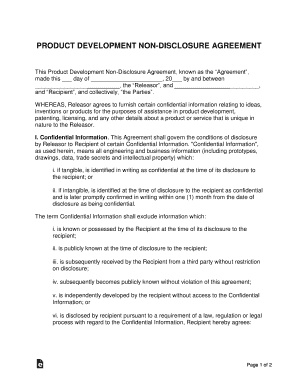
- Non-Disclosure Agreement (NDA): A legal contract ensuring that sensitive information shared during the project will remain confidential.
Legal Use of the Graphic Designer Contract Template
Utilizing the Graphic Designer Contract Template legally involves ensuring compliance with local, state, and federal laws regarding contract formation and execution.
- Jurisdiction: The contract should specify which jurisdiction's laws will govern the interpretation of the agreement. In the United States, this typically aligns with the state where the client or designer is based.
- Signatures: Both parties must sign the contract, either physically or electronically, to make it legally binding.
- Electronic Signatures: These are considered valid under the ESIGN Act in the United States, allowing for online execution of contracts.
- Amendments: Any changes or additions to the contract must be agreed upon by both parties in writing.
Steps to Complete the Graphic Designer Contract Template
Filling out the Graphic Designer Contract Template involves several methodical steps:
- Enter Basic Information: Fill in the names and contact details of both the client and the designer.
- Define the Project Scope: Clearly articulate what the project entails, including specific services to be provided.
- Set Deliverable Deadlines: Establish timelines for when deliverables are expected.
- Agree on Payment Details: Specify pricing, billing schedules, and payment terms.
- Determine Intellectual Property Details: Decide and document the assignment of rights over the work.
- Clarify Termination Clauses: Provide conditions and implications for terminating the contract prematurely.
- Include Confidentiality Measures: Set terms for handling confidential information shared between the parties.
Examples of Using the Graphic Designer Contract Template
Examples illustrate how the Graphic Designer Contract Template might be employed in various scenarios:
- Freelance Projects: Independent designers often use the template to formalize agreements with clients for short-term or project-based work.
- Agency Agreements: Design agencies can utilize the template to establish contracts with clients seeking branding services.
- Corporate Partnerships: Corporations may use the template when engaging graphic designers for marketing campaigns or product launches.
- Startup Collaborations: Emerging businesses might use this template to clarify expectations with freelance designers developing branding materials.
Who Typically Uses the Graphic Designer Contract Template
Various individuals and organizations benefit from the Graphic Designer Contract Template:
- Freelance Designers: Use the template to ensure clarity and protection in client engagements.
- Design Agencies: Employ it for structuring formal agreements with businesses and corporate clients.
- Corporate Clients: Utilize the template when hiring external designers to ensure alignment with internal objectives and legal requirements.
- Entrepreneurs and Startups: Leverage the template to set clear terms with graphic designers when launching new ventures or products.