






Definition & Purpose of a Merger and Acquisition Agreement Template
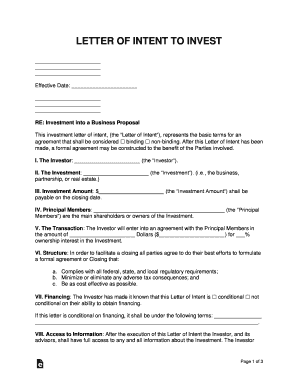
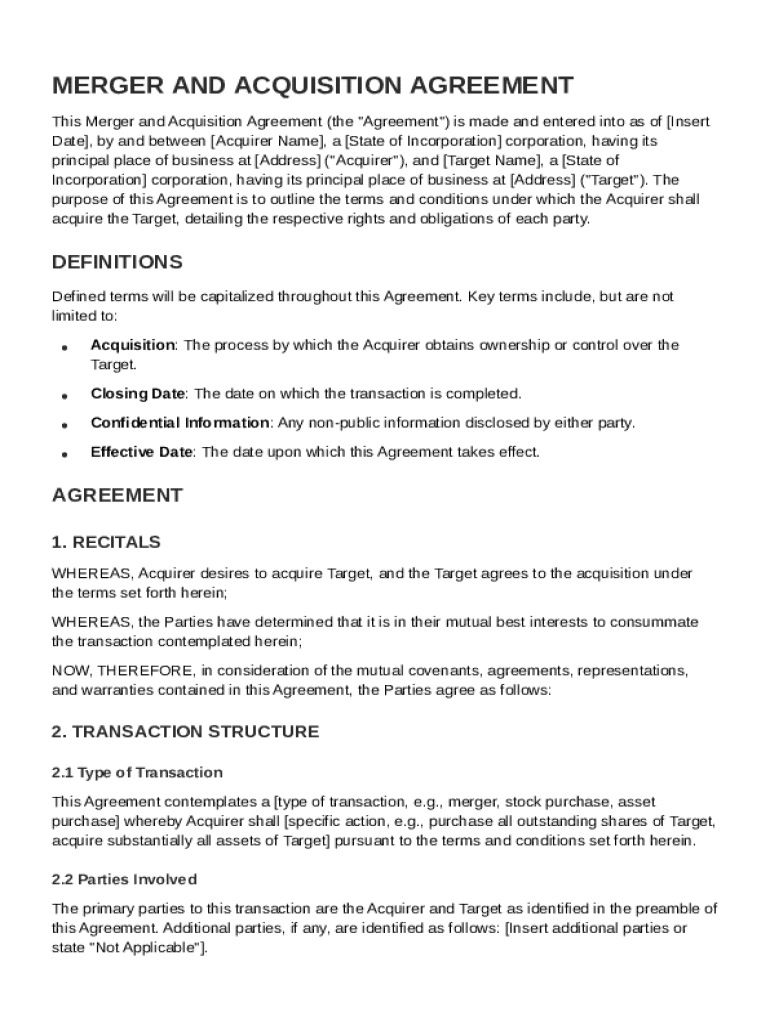
A Merger and Acquisition Agreement Template serves as a foundational document for structuring and finalizing the terms of a business acquisition. It codifies the interaction and understanding between the Acquirer, who is purchasing the company, and the Target, who is selling. This legally binding document outlines the transaction's intricacies and ensures both parties are on the same page, reducing the risk of future disputes.
- Transaction Structure: Details the specific type of transaction, such as a stock purchase, asset purchase, or merger.
- Purchase Price: Defines financial terms, including how and when payments are made.
- Representations and Warranties: Offers assurances from both parties regarding their respective conditions.
Key Elements in a Merger and Acquisition Agreement Template
A comprehensive Merger and Acquisition Agreement Template includes several critical components needed to structure the deal effectively:
- Transaction Details: Specifies the price, payment methods, and any contingent considerations.
- Covenants: Stipulations on conduct, such as business operations and confidentiality, to be maintained until deal closure.
- Conditions Precedent: Specifies obligations that must be met before the transaction can be completed.
Detailed Breakdown of Representations and Warranties
These are declarations made by each party regarding their current state and future assurances:
- Financial Statements: Must adhere to Generally Accepted Accounting Principles (GAAP).
- Legal Compliance: Both parties must confirm adherence to existing laws and regulations.
- Intellectual Property: Confirms the ownership and rights of IP assets are not in dispute.
Steps to Complete the Merger and Acquisition Agreement Template
Filling out a Merger and Acquisition Agreement Template requires meticulous attention to detail:
- Define the Transaction: Identify if it's an asset or stock purchase, or a merger.
- Draft Representations and Warranties: Both parties compile a list of their respective declarations.
- Outline Conditions Precedent: Specify conditions required for the transaction's completion.
- Legal Review: Engage legal counsel to review the document for compliance and enforceability.
Collaborative Document Editing
Using platforms like DocHub, multiple stakeholders can edit and annotate the document online, ensuring real-time updates and consistent document versions.
How to Use the Merger and Acquisition Agreement Template
This template is used by legal teams and business executives to outline the acquisition terms. Users can benefit from its comprehensive structure, which includes essential components that address various transactional aspects.
- Negotiation Aid: Serves as a blueprint during negotiation, offering clarity on positions and terms.
- Declaration Tool: Ensures both parties provide honest disclosures through representations and warranties.
Legal Use and Compliance Considerations
Ensuring legal validity and compliance with applicable laws is crucial:
- Governing Law: The agreement should specify which state laws govern it, often where the transaction is completed or either party resides.
- Dispute Resolution: Outlines methods for resolving disagreements, such as arbitration or litigation, and the jurisdiction for such disputes.
Important Terms Related to Merger and Acquisition Agreements
Understanding key terminology is vital for effective use of the template:
- Indemnification: Protects against future losses or damages.
- Termination Rights: Conditions in which either party can lawfully exit the agreement.
- Non-Compete Clause: Restricts the Target from engaging in similar business pursuits post-acquisition.
Who Typically Uses the Merger and Acquisition Agreement Template
Various entities and professionals rely on this template:
- Corporate Lawyers: Legal guidance to ensure compliance and legal protection.
- Business Executives: Decision-making and negotiation framework.
- Investment Bankers: Facilitate valuation and transaction strategy.


Software Compatibility and Use Cases
Modern document handling requires seamless software compatibility:
- Integration with Cloud Services: Compatibility with platforms like Google Workspace for storage and sharing.
- Document Signing: Utilize legally binding e-signature services compliant with the ESIGN Act.
- Collaboration Tools: Real-time editing for dynamic, multi-party input.
Examples and Case Studies
Real-world utilization of the template can vary widely:
- Successful Acquisitions: Businesses have used it to structure complex acquisitions in technology and finance industries.
- Cross-Border Transactions: Adapting the template to meet international legal standards for multi-national mergers.
Each of these sections provides a framework to help navigate the complexities of business acquisitions, ensuring clarity and legal compliance while accommodating the unique requirements of each transaction.