




01. Edit your form online
Type text, add images, blackout confidential details, add comments, highlights and more.

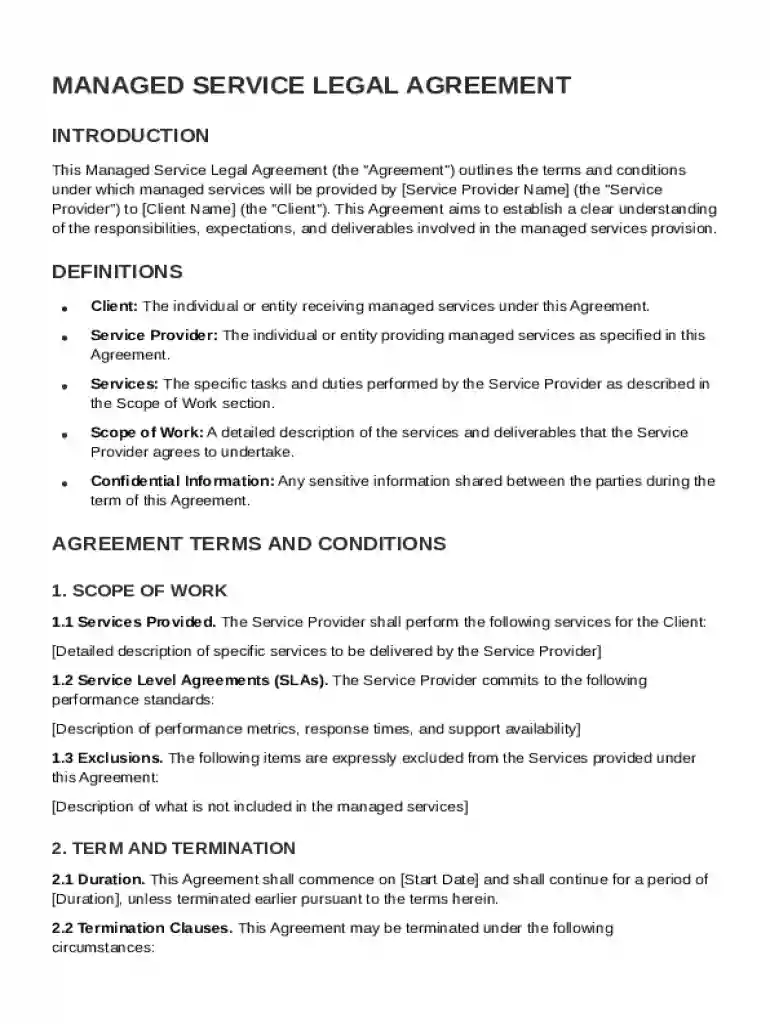
Type text, add images, blackout confidential details, add comments, highlights and more.

Draw your signature, type it, upload its image, or use your mobile device as a signature pad.

Send it via email, link, or fax. You can also download it, export it or print it out.
The Managed Service Legal Agreement (MSLA) Template is a formal legal document used to define the terms and conditions between a Service Provider and a Client in the context of managed services. This template sets out specific details regarding the scope of services offered, including deliverables, timelines, and performance metrics. By utilizing an MSLA template, businesses can ensure all parties have a clear understanding of their roles and responsibilities, which helps prevent potential misunderstandings and disputes.
Key components generally included in the MSLA template are:
This comprehensive document is tailored to align with the specific needs of the service relationship, with sections devoted to confidentiality, data protection, and termination conditions to ensure comprehensive legal protection for all parties involved.
Using the Managed Service Legal Agreement Template effectively involves several key steps. First, both parties should review the template thoroughly to ensure that all sections align with the intended service relationship. Modifications might be necessary to tailor specifics such as project scope and performance standards.
To maximize effectiveness:
After customization, the template should be reviewed periodically to accommodate changes in service delivery needs or regulatory requirements. This ensures the document remains current and reflective of the ongoing business relationship.
The MSLA template includes several crucial sections that must be appropriately addressed to maintain a legally binding agreement. These elements provide a structured framework for the service partnership:
Each element serves to outline expectations clearly and protect both parties by legally binding them to the stipulated terms. Careful attention to these sections will ensure that all aspects of the service relationship are documented.
The MSLA template must be legally compliant to be enforceable. It is crucial to confirm that the agreement adheres to local laws and regulations governing contracts and business operations.
Legalities to consider:
Engaging a legal professional to verify the agreement’s compliance with all the aforementioned elements can mitigate risks and ensure the document holds up in legal scrutiny.
Understanding the terminology within the MSLA template is crucial for its effective utilization. Familiarity with these terms aids in ensuring clarity and enforceability:
By comprehending these terms, both parties can better navigate the agreement, ensuring it meets all necessary requirements and facilitating a successful partnership.
Businesses of various sizes and industries may engage in managed services, and both the providers and recipients of these services can benefit from using an MSLA template.
Common users include:
These entities use the template to formalize service expectations, protect confidential information, and support dispute resolution processes. Moreover, they can ensure a consistent level of service delivery to maintain client satisfaction and contractual integrity.


Practical examples of MSLA application provide insight into its utility across industries:
Case studies show how an MSLA helps avoid disputes by predefining service scope and responsibilities, providing a clear framework for resolving issues if they arise.
While MSLA templates serve as versatile frameworks, compliance with state-specific regulations is crucial. Different states have varying requirements around contract enforceability and disclosures.
Key considerations include:
Incorporating state-specific amendments ensures the MSLA is tailored to legal intricacies across different jurisdictions, thus strengthening its enforceability and protecting all parties involved from legal ramifications.
At DocHub, your data security is our priority. We follow HIPAA, SOC2, GDPR, and other standards, so you can work on your documents with confidence.
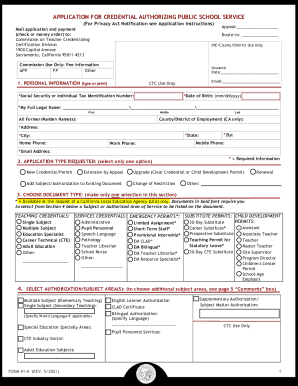
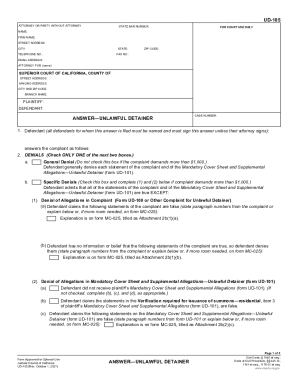
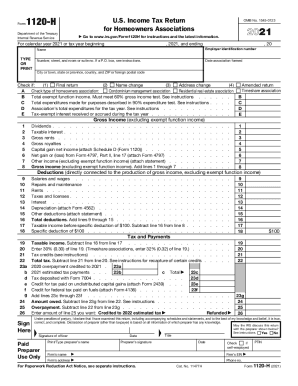

The Customer Agreement section of the CSA describes the overall relationship between the customer and provider. Since service management includes the processes
General Purpose. The general purpose of this Agreement is to engage the services of Consultant to perform the services and provide the deliverables


