




Definition and Purpose
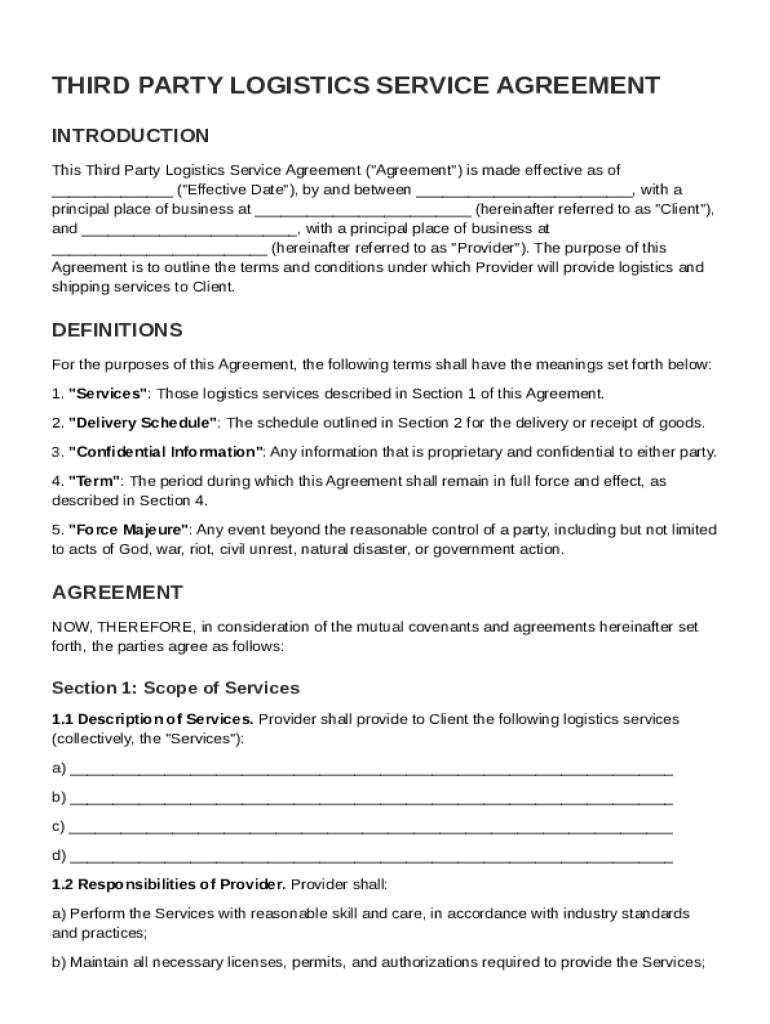
A Third Party Logistics Service Agreement Template is a formal document that establishes the terms and conditions for logistics and shipping services between a client and a provider. It serves to outline expectations, responsibilities, and rights of both parties involved in the logistics process. This agreement is crucial as it defines the scope of services, performance standards, and delivery schedules, allowing both parties to have a clear understanding of their respective roles. The primary aim is to ensure efficient and reliable logistics services while minimizing misunderstandings and potential disputes.
Key Elements of the Agreement
The Third Party Logistics Service Agreement Template typically includes several critical elements that ensure comprehensive coverage of logistics services:
- Scope of Services: Clearly defines the services to be provided, such as transportation, warehousing, inventory management, or distribution. Specific activities, delivery timelines, and service levels are detailed to ensure mutual understanding.
- Performance Standards: Outlines the quality and efficiency benchmarks that the provider must meet. This may include delivery times, accuracy rates, and compliance with industry regulations.
- Compensation Details: Specifies the payment structure, including rates, billing terms, and payment schedules. It often encompasses any additional costs, such as penalties for late payments or incentives for early completion.
- Confidentiality Obligations: Details the measures for protecting sensitive information shared between parties. This section is essential for maintaining client privacy and security.
Steps to Complete the Template
Completing a Third Party Logistics Service Agreement Template involves several steps to ensure it accurately reflects the intentions and expectations of both parties:
- Review the Template: Carefully read through the entire document to understand its structure and contents.
- Customize the Agreement: Tailor the template to fit the specific needs of the client and provider, including details on services, timelines, and payment formulas.
- Define Terms: Clearly define all key terms and conditions, ensuring both parties agree on definitions to avoid ambiguities.
- Insert Data: Fill in the necessary information such as company names, contact details, and any specific provisions agreed upon.
- Review and Revise: Both parties should thoroughly review the agreement and propose any needed revisions to meet their requirements.
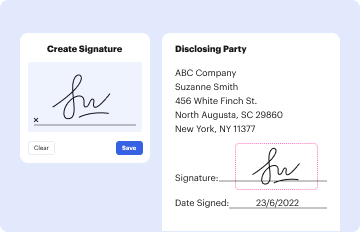
- Finalize and Sign: Once both parties agree on the terms, the agreement should be signed by authorized representatives to make it legally binding.
Legal Use and Compliance
The legal use of a Third Party Logistics Service Agreement is governed by various laws and regulations, which may differ by state. However, general compliance includes:
- Adhering to Federal and State Laws: Ensure the agreement aligns with logistic regulations, trade compliance, and transport safety standards.
- Incorporating Liability Limitations: Establish clear boundaries for liability related to service failures, loss, or damage during transit.
- Implementing Dispute Resolution Mechanisms: Include procedures for resolving conflicts, such as mediation or arbitration, to manage disagreements effectively.
Examples of Use Cases
The Third Party Logistics Service Agreement Template is versatile and used by various entities:
- E-commerce Companies: To streamline fulfillment processes by outsourcing logistics to specialized providers.
- Manufacturers: For efficiently managing the distribution of goods from production facilities to retail locations or warehouses.
- Retail Chains: To enhance supply chain management by outsourcing the management of inventory and logistics operations to third-party experts.
Important Terms and Definitions
Understanding essential terms in the Third Party Logistics Service Agreement is key to effective utilization:
- Client: The party contracting logistics services, often the product owner or the entity requiring logistics operations.
- Provider: The logistics company offering services like transportation, warehousing, and distribution.
- Force Majeure: A clause absolving parties from liability due to unforeseen events like natural disasters affecting performance.
Software Compatibility and Integration
Third Party Logistics Service Agreements can be managed and executed more efficiently with compatible software platforms:
- DocHub: Facilitates document creation, editing, signing, and secure sharing. Its integration with cloud services like Google Drive supports seamless document management.
- QuickBooks and Xero: For handling the financial aspects of the agreement, such as invoices and payments, efficiently.
- ERP Systems: To integrate logistics data with broader business operations, maintaining real-time visibility into supply chain activities.
Business Types That Benefit Most
Certain business types thrive by utilizing a Third Party Logistics Service Agreement:
- Startups: Leverage logistics expertise without heavy capital investments, focusing on growth and market expansion.
- Larger Enterprises: Optimize complex supply chains and enhance international shipping capabilities with expert third-party providers.
- Specialty Goods Retailers: Benefit from specialized logistics services tailored for delicate or regulated products, such as perishable or hazardous materials.
Variants and Alternatives
Exploring different versions of the Third Party Logistics Service Agreement Template can provide tailored benefits:
- Basic Contract Model: Suitable for small-scale businesses requiring straightforward services without complex requirements.
- Comprehensive Agreement: For large-scale enterprises involving multiple logistics services across various regions.
- Customized Templates: Developed for niche industries with specific regulatory or logistical challenges, allowing for bespoke terms and conditions.