






Definition and Meaning
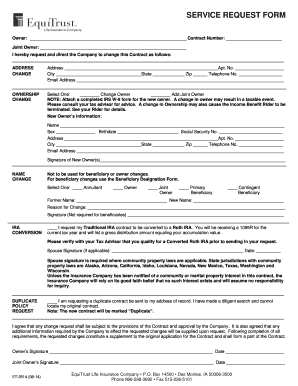
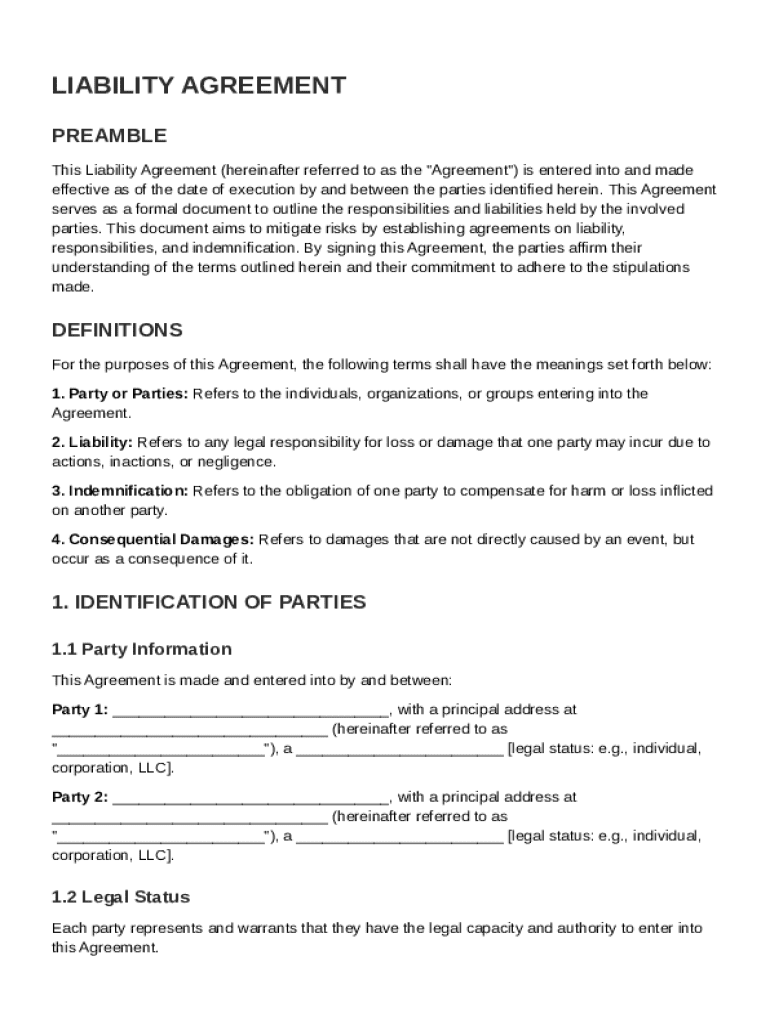
A Liability Agreement Template is a formal document designed to outline the responsibilities and liabilities shared between parties. This template plays a crucial role in clarifying the allocation of liabilities, allowing each party to understand and agree upon their roles and responsibilities. The document provides clarity by defining key terms like liability, indemnification, and consequential damages. Its structure ensures both parties acknowledge their duties and legal commitments, reducing potential disputes. Various agreements including rental agreements, service contracts, or even event planning arrangements can employ liability agreements to specify conditions under which one party holds responsibility for damage or loss.
Key Elements of the Liability Agreement Template
The Liability Agreement Template typically includes several essential components. Among them are:
- Parties Involved: Clearly identifies who the agreement is between.
- Scope of Agreement: Explains the activities or responsibilities covered.
- Definitions: Provides definitions for critical terms such as "liability," "indemnification," and "loss."
- Liability Allocation: Details how responsibility for risks and damages is divided among parties.
- Indemnification Clause: Specifies conditions under which one party agrees to indemnify the other.
- Limitations of Liability: Defines the extent to which one party’s liability is limited.
- Governing Law: Designates which state's laws will govern the agreement.
- Dispute Resolution: Outlines methods for resolving any disputes that arise, like arbitration or mediation.
How to Use the Liability Agreement Template
To effectively utilize a Liability Agreement Template, follow these steps:
- Review the Template: Carefully read through the template to understand its structure and contents.
- Customize Key Provisions: Modify the template to fit the specific requirements of your agreement, including parties involved and the nature of activities covered.
- Define Relevant Terms: Ensure all involved parties understand terms used within the document by clearly defining concepts such as responsibilities and limitations.
- Consult Legal Advice: Have the agreement reviewed by a legal professional to ensure compliance with applicable laws and regulations.
- Complete Final Details: After customization, ensure all parties review and agree to the details, then execute the agreement through signatures.
Important Terms Related to the Liability Agreement Template
Certain terms within a Liability Agreement Template require particular attention for clarity:
- Indemnification: A promise by one party to cover any losses or damages another party might incur.
- Consequential Damages: These refer to indirect damages that occur as a consequence of the main breach or damage.
- Severability Clause: Ensures that if any part of the agreement is deemed invalid, the rest remains enforceable.
- Assignment Clause: Specifies conditions under which this agreement or its obligations can be transferred to another party.
- Entire Agreement Clause: Confirms that this document represents the full understanding between parties, with any amendments requiring formal agreement.
Steps to Complete the Liability Agreement Template
Filling out a Liability Agreement Template involves several distinct steps to ensure accuracy and completeness:
- Gather Required Information: Collect all details concerning parties involved and the nature of the agreement.
- Customize the Template: Tailor the template to align with your specific requirements, ensuring all relevant sections are filled.
- Review for Consistency: Check for consistency in the terms used throughout the document, especially in legal definitions and responsibilities outlined.
- Seek Legal Confirmation: Have the draft reviewed and confirmed by legal counsel familiar with local laws.
- Execute with Signatures: Obtain signatures from all involved parties, secures the agreement's legality.
Legal Use of the Liability Agreement Template
In legal contexts, Liability Agreement Templates serve as binding documents ensuring all parties are aware of and agree to their specific responsibilities and liabilities. These templates are utilized across various situations including:
- Service Agreements: Establishing liability for service providers and clients in case of failure to meet service standards.
- Property Rentals: Defining liabilities for property damage or maintenance responsibilities between landlords and tenants.
- Event Agreements: Assigning liability in case of accidents or cancellations during planned events.
Who Typically Uses the Liability Agreement Template
Liability Agreement Templates find use across diverse sectors including:
- Business Owners: To create clear agreements regarding services between companies and clients.
- Tenants and Landlords: Specify maintenance, repairs, and liabilities involved in property rental or lease agreements.
- Event Planners: Define responsibilities at events and clarify terms under which each party is liable.
- Consultants and Freelancers: Detail services and responsibilities when engaging with clients ensuring clarity on who bears liability in certain situations.

State-Specific Rules for the Liability Agreement Template
While Liability Agreement Templates provide a general structure, adherence to state-specific rules is vital:
- State Laws: Each state may have different requirements for what must be included in such agreements for them to be enforceable.
- Jurisdiction: The agreement should specify which state's law governs the contract and how disputes will be resolved.
- Enforceability: Certain states may implement restrictions or additional requirements regarding indemnity clauses or liability limitations.
State-by-State Differences
Different states in the U.S. may impose various rules on Liability Agreement Templates, influencing certain key aspects:
- Contract Language: States may mandate specific language be included or interpreted in particular ways unique to their jurisdiction.
- Enforceability standards: Varies on indemnity clauses, with some states rejecting overly broad phrasing.
- Legal Reviews: Requirements may differ from state to state about whether agreements need to be reviewed or certified by legal professionals.