




01. Edit your form online
Type text, add images, blackout confidential details, add comments, highlights and more.

Type text, add images, blackout confidential details, add comments, highlights and more.

Draw your signature, type it, upload its image, or use your mobile device as a signature pad.

Send it via email, link, or fax. You can also download it, export it or print it out.
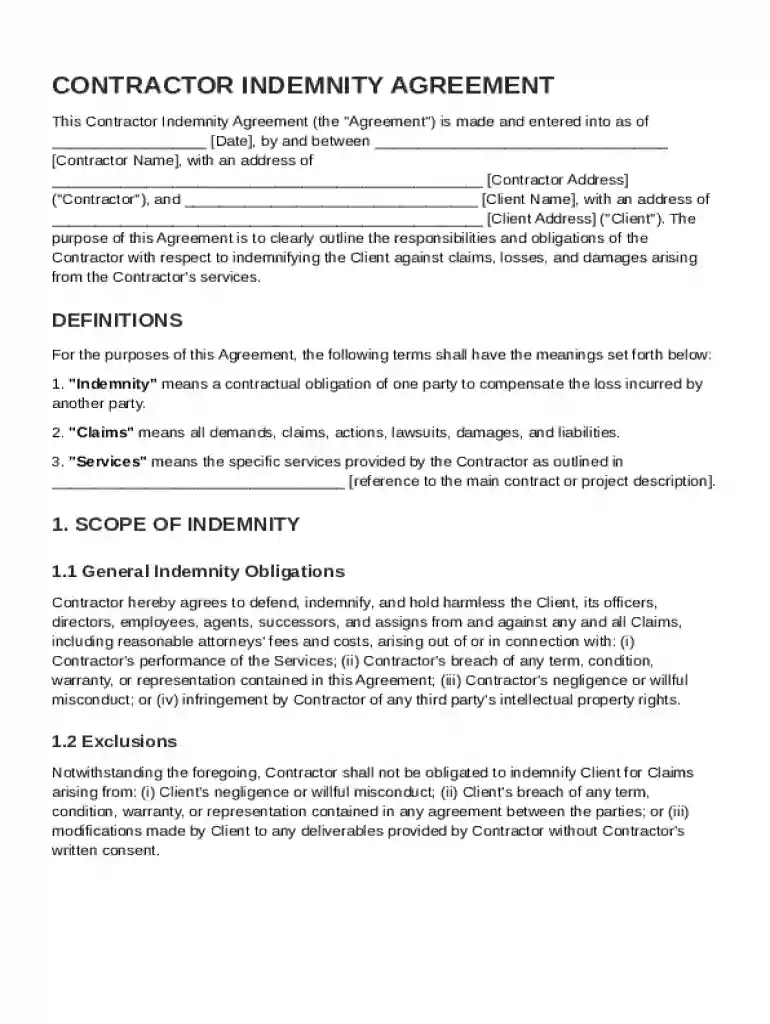
The Contractor Indemnity Agreement is an essential legal document designed to protect clients from potential liabilities that arise from a contractor’s performance. Specifically, this agreement outlines the contractor's obligation to indemnify, or compensate, the client against any claims, losses, or damages associated with the contractor's services. Critical for risk management, this document establishes crucial terms, delineates indemnity responsibilities, and prescribes procedures for claim notification and defense.
Utilizing the Contractor Indemnity Agreement Template efficiently requires understanding its structure and functionalities. Here’s a step-by-step guide on how to make it work for your needs:
Download and Review: Obtain the template from DocHub and review it thoroughly to familiarize yourself with its sections.
Customize Relevant Sections: Tailor the template by inputting specific details pertaining to your business and the contractor involved. This may include:
Consult Legal Expertise: Before finalization, it’s prudent to seek legal advice to ensure that the document complies with applicable state laws and fully protects your interests.
Completing the Contractor Indemnity Agreement Template involves several critical steps to ensure its accuracy and enforceability:
Detail Capture: Accurately enter information relevant to the contractual arrangement, including service description, timeframe, and indemnity terms.
Draft Review: Once drafted, conduct a comprehensive review to confirm all pertinent clauses are covered, focusing specifically on indemnity provisions and liability limitations.
Stakeholder Agreement: Ensure all parties involved consent to the terms and conditions. This might involve negotiations or adjustments as legal counsel advises.
Execution: Once all parties are content with the terms, execute the agreement through signatures. Use DocHub’s legally binding electronic signature feature for ease and validity.
Document Storage: Securely store the signed agreement in a safe, accessible location for future reference and compliance confirmation.
The Contractor Indemnity Agreement template is structured to include several pivotal components essential for its functionality:
Indemnity Clause: Central to the agreement, outlining the scope and limits of indemnification responsibilities.
Notification and Defense Procedures: Specifies how claims should be reported and defended, ensuring response mechanisms are clear and actionable.
Limitation of Liability: Establishes boundaries for contractor liabilities, safeguarding against unlimited exposure.
Insurance Requirements: Mandates insurance coverage to back indemnity obligations, providing an additional security layer.
Governing Law: Details the legal jurisdiction governing the agreement, ensuring alignment with state-specific regulations.
In the United States, states often have unique rules and regulations governing indemnity agreements. Understanding these state-specific provisions is crucial:
California: Limits the extent to which contractors can be indemnified; typically prohibits indemnification for sole negligence.
Texas: Enforces strict anti-indemnity statutes in construction contracts, focusing on equitable risk distribution.
New York: Often requires additional safeguarding clauses, such as waivers of subrogation.
Reviewing these distinctions ensures that your agreement is compliant and enforceable within your particular jurisdiction.
For the agreement to be legally enforceable, certain criteria must be met:
It's advisable for businesses to obtain legal advice to verify compliance and validity, particularly given potential variances in state laws.
Explore practical applications and scenarios where the Contractor Indemnity Agreement proves beneficial:
Several business entities particularly benefit from using indemnity agreements:
By understanding these scenarios, businesses can better recognize the necessity and strategic advantage of utilizing a Contractor Indemnity Agreement.
At DocHub, your data security is our priority. We follow HIPAA, SOC2, GDPR, and other standards, so you can work on your documents with confidence.



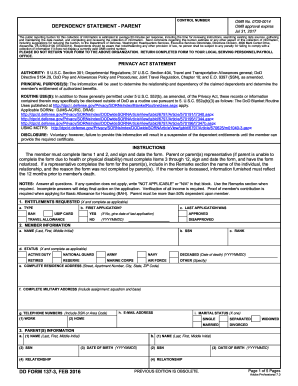
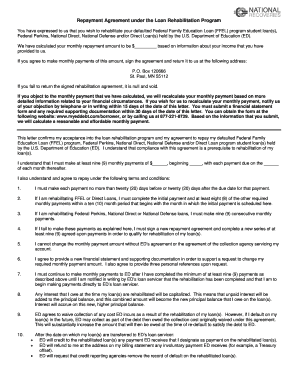


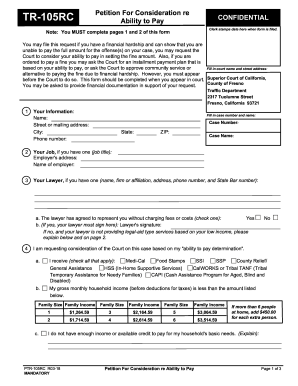
Indemnification. Contractor shall indemnify and hold Client harmless from any loss or liability arising from performing services under this Agreement. 13
This agreement certifies the contractors role, ensures payment, and indemnifies the owner from the contractors negligence, and states that all involved


