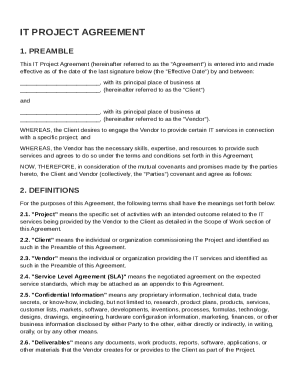
Definition & Meaning
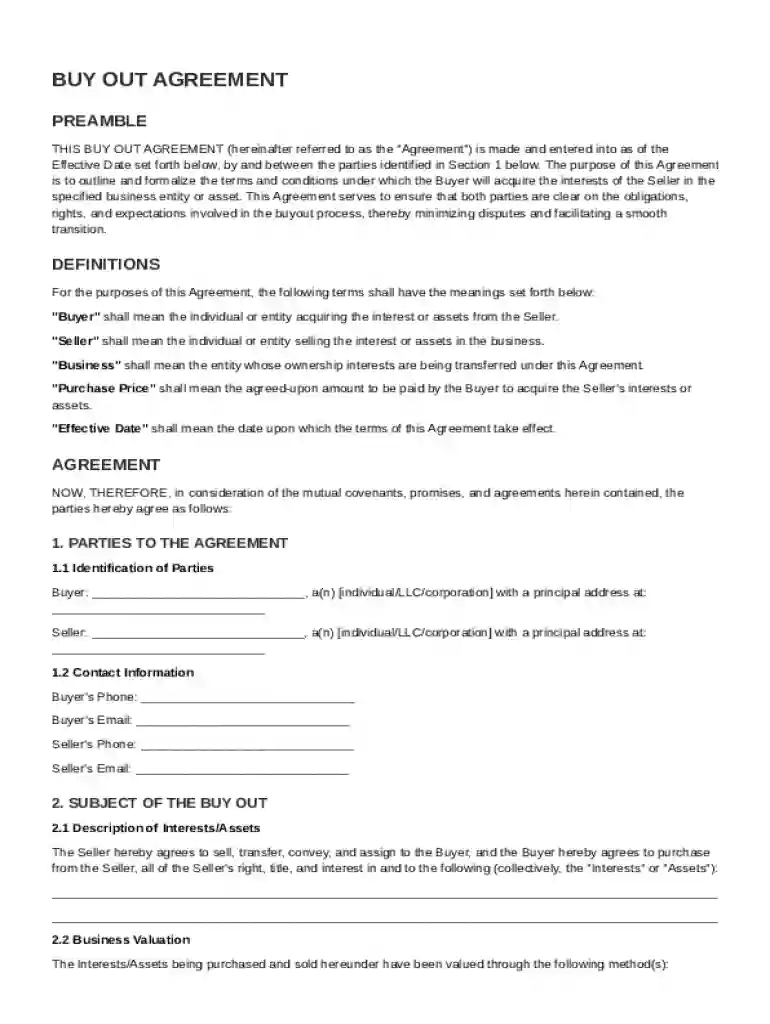
The Buy Out Agreement Template is a comprehensive legal document that outlines the terms and conditions under which an individual or entity can buy the ownership interest or assets of another business or party. Essential to mergers and acquisitions, the template captures agreements relating to purchase price, payment structure, liabilities, and closing conditions. Its primary function is to provide a clear, legally binding framework that minimizes disputes and ensures all parties have a mutual understanding of the transactional terms.
Key Components of the Definition
- Parties Involved: Identifies the seller and buyer or their representatives.
- Purchase Price: Specifies the financial terms, including any scheduled payments or deferred compensation.
- Assets and Liabilities: Detailed breakdown of what is being purchased or transferred.
Key Elements of the Buy Out Agreement Template
A well-structured Buy Out Agreement Template includes several critical sections, each serving an essential function in the agreement. These elements ensure that all aspects of the transaction are legally sound and transparent:
Main Sections
- Identification of Parties: Clearly names and defines the roles of the buyer and seller.
- Definitions: Provides clear explanations for all relevant terms used throughout the agreement.
- Purchase Price and Payment Terms: Outlines how and when payments will be made.
- Representations and Warranties: Assurances provided by both parties regarding the truthfulness of information shared.
- Covenants: Conditions and promises that the parties agree to adhere to pre- and post-transaction.
Important Terms Related to Buy Out Agreement Template
Understanding the terminology used in a Buy Out Agreement is crucial for clear communication and effective negotiation. The following terms are typically included and defined within the template:
Relevant Terms
- Confidentiality: Agreements to keep transaction details private.
- Indemnification: Specifies how parties will handle breaches of warranty or other contract failures.
- Non-Compete Clauses: Restrictions on the seller to not engage in competing business actions post-sale.
How to Use the Buy Out Agreement Template
Using a Buy Out Agreement Template requires careful attention to detail, ensuring that the final document reflects the specific needs and conditions of both parties involved in the transaction. The following steps provide a guideline for utilizing the template effectively:
Step-by-step Process
- Review the Template: Familiarize yourself with each section and modification provisions.
- Customize the Agreement: Adjust terms to fit the specifics of your transaction, ensuring compliance with local and federal regulations.
- Consult Legal Counsel: Have a legal professional review the document for completeness and legal accuracy.
Steps to Complete the Buy Out Agreement Template
Completing a Buy Out Agreement Template involves several key steps, each requiring attention to detail to ensure the transaction's success and integrity. The following process outlines how to fill out the template:
Steps for Completion
- Detail the Transaction: Clearly state the assets or interests being acquired and the agreed purchase price.
- Outline Payment Terms: Specify the timeline and method for payments, including any conditions for adjustments.
- Define Closing Conditions: List conditions that must be met before the transaction finalizes.
- Specify Legal Provisions: Incorporate necessary warranties, indemnities, and post-sale obligations.
Legal Use of the Buy Out Agreement Template
Drafting a Buy Out Agreement involves strict adherence to legal frameworks to ensure it is enforceable. It is critical to recognize the legal implications of the template's provisions:
Legal Considerations
- Governing Law: Specify the jurisdiction governing the agreement.
- Dispute Resolution: Detail mechanisms for addressing any disputes or breaches of contract.
- Compliance: Ensure all agreements comply with local, state, and federal laws.
Examples of Using the Buy Out Agreement Template
Real-world examples provide insight into how the Buy Out Agreement Template can be utilized in various contexts and industries. These examples highlight the flexibility and utility of the template:
Common Use Cases
- Small Business Acquisition: A local entrepreneur buying out a family-owned retail store, setting specific covenants on inventory and employee retention.
- Corporate Mergers: Large companies merging operations, requiring detailed indemnifications and non-compete clauses to maintain market fairness.
State-Specific Rules for the Buy Out Agreement Template
While the template provides a broad framework, there may be state-specific regulations that influence the content and enforceability of the agreement. It's crucial to customize these elements according to jurisdictional requirements:
State-level Considerations
- Different Tax Rates: Consider potential impacts on the purchase price.
- Local Business Licenses: Address any requirements for state-specific business operations post-transaction.
- Employment Laws: Ensure adherence to state labor laws, especially in terms of non-compete clauses.
State-by-State Differences
Different states may have varying rules and regulations affecting buyout agreements. Understanding these differences is crucial for making legally sound agreements:
Examples of State Variations
- Non-Compete Clauses: States like California have strict limitations on enforcing non-compete clauses.
- Sales Tax Regulations: Vary significantly across states, affecting the financial structuring of the agreement.
Business Types that Benefit Most from Buy Out Agreement Template
The Buy Out Agreement Template offers significant advantages to various business types, providing tailored structures and benefits specific to industry needs:
Beneficial Business Structures
- Partnerships: Gain clarity on ownership transfer and partner exit strategies.
- Family-owned Businesses: Facilitate smooth transitions in leadership and ownership to subsequent generations or external buyers.
- Startups: Protect intellectual property and maintain competitive advantage during buyouts.