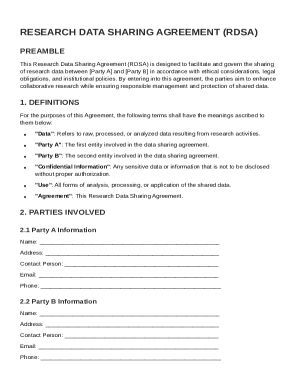
Key Elements of the B2B Agreement Template
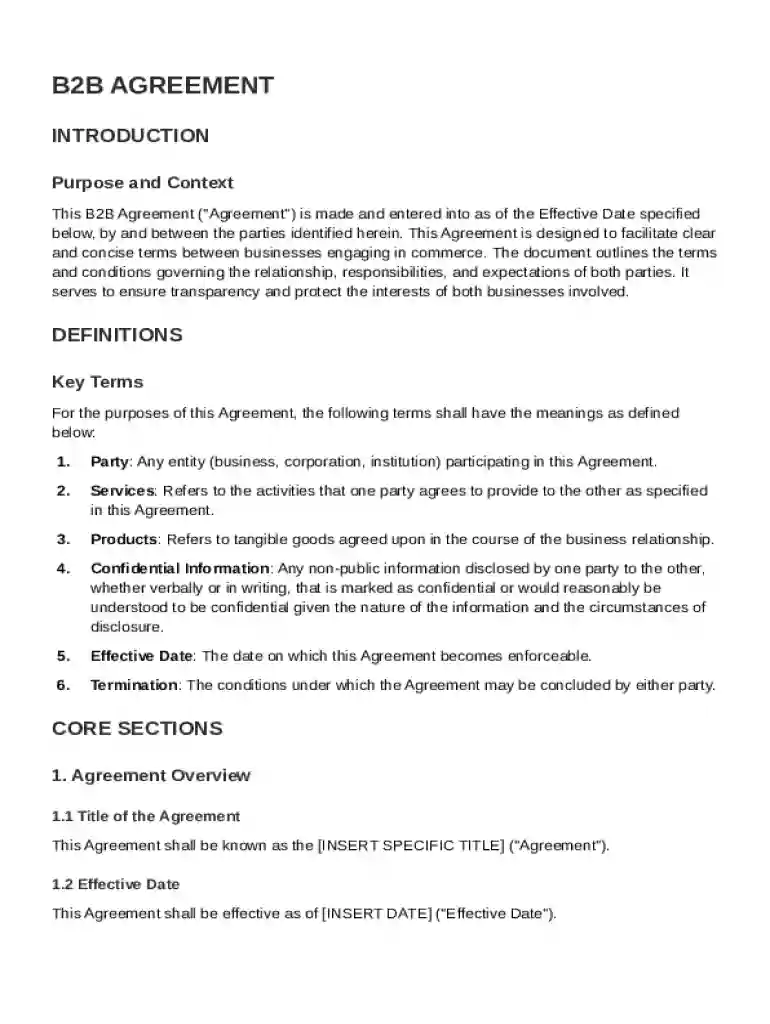
The "B2B Agreement Template" serves as a foundational document, highlighting critical components necessary for establishing clear business relationships. At its core, this template outlines mutual responsibilities, payment terms, confidentiality clauses, and conditions for dispute resolution. The goal is to ensure transparency and protect both parties involved in the transaction. Key sections include:
- Responsibilities and Obligations: Define each party's duties, setting clear expectations to minimize misunderstandings.
- Payment Terms: Articulate the financial aspects, including payment schedules, amounts, and methods.
- Confidentiality Requirements: Specify what constitutes confidential information and the obligations regarding its protection.
- Dispute Resolution Processes: Outline mechanisms for addressing conflicts, such as mediation or arbitration.
These elements collectively ensure that the document is comprehensive and that both businesses are aligned on fundamental terms.
How to Use the B2B Agreement Template
Utilizing the "B2B Agreement Template" involves several critical steps to ensure that the document suits the specific needs of the business arrangement. Here's a practical guide:
- Review the Template: Thoroughly read through the document to understand its structure and content.
- Customize the Agreement: Tailor the sections to reflect the unique terms and conditions pertinent to the specific business relationship.
- Consult with Legal Advisors: Seek input from legal professionals to ensure compliance with applicable laws and industry standards.
- Finalize and Secure Mutual Agreement: Present the customized document to the other party, negotiate any required changes, and obtain signatures from all involved parties.
By following these steps, businesses can effectively use the template for their contractual needs.
Steps to Complete the B2B Agreement Template
Completing the "B2B Agreement Template" requires attention to detail and a step-by-step approach to ensure accuracy and completeness:
- Collect Information: Gather all essential data, including business names, contact details, and key personnel.
- Input Specific Terms: Fill in company-specific conditions, including specific responsibilities and service or product descriptions.
- Double-check Legal Clauses: Make sure all legal language aligns with current regulations and both parties' expectations.
- Confirm Payment Details: Include all necessary billing information, such as account numbers, payment deadlines, and currency.
- Review for Consistency and Errors: Cross-verify the entire document for consistency and potential omissions.
- Endorse and Execute: Acquire signatures and final approvals from authorized representatives of both parties.
Following these steps ensures a thorough and effective completion process.
Legal Use of the B2B Agreement Template
The B2B Agreement Template must conform to legal norms, ensuring that it is enforceable in court if disputes arise. The document should include:
- Compliance with Relevant Laws: Verify that all clauses adhere to federal and state laws applicable to the business domain.
- Inclusion of Legal Recourse Provisions: Make sure the agreement contains provisions for mediation, arbitration, or litigation if necessary.
- Operative Legal Language: Utilize clear and precise legal terms to avoid ambiguity and different interpretations.
- Customary Business Practices: Align the document with standard practices relevant to the industry in question.
Careful legal consideration ensures that the B2B Agreement Template upholds the intended protection and governance for all parties involved.
Who Typically Uses the B2B Agreement Template
This template is indispensable for a wide range of businesses. Common users include:
- Service Providers: Firms offering professional services, requiring detailed agreements for scope of work and payment terms.
- Manufacturers and Suppliers: Entities involved in distributing goods, needing clear terms for delivery, quality standards, and liability.
- Consulting Firms: Organizations engaging in advisory roles, necessitating confidentiality and intellectual property clauses.
- Tech Companies: Businesses dealing with software or IT services, requiring terms for licensing, support, and upgrades.
The versatility of the template makes it suitable for any corporate entity seeking to establish or formalize business ties.

Who Issues the Form
The originating parties create the "B2B Agreement Template" collaboratively. Typically, the business initiating the transaction will draft the initial version, adjusting it to match specific needs before negotiations. Companies may use legal counsel or contract specialists with expertise in drafting agreements to ensure legality and protection.
Software Compatibility (TurboTax, QuickBooks, etc.)
While the "B2B Agreement Template" primarily functions as a legal document, it can integrate seamlessly with various business software platforms to streamline workflows:
- DocHub: Supports PDF, DOC, and other formats, ensuring ease of editing and sharing.
- QuickBooks and Accounting Software: Helpful in managing financial terms within the contract.
- Document Management Systems: Such as Google Drive or Dropbox for secure storage and sharing.
Effective software integration simplifies data management and stays consistent with business operations.
Business Types That Benefit Most from the B2B Agreement Template
Several business types stand to gain significant advantages by adopting the B2B Agreement Template:
- Startups: Often needing robust agreements to define relationships with partners and providers clearly.
- SMEs (Small and Medium Enterprises): Looking to formalize transactions with external entities to reduce risk.
- Enterprises Engaged in International Trade: That require detailed contracts to navigate complex global markets.
- Franchises: Necessitating standardized agreements across various operations.
These businesses benefit from the clarity and consistency achievable through this comprehensive agreement format.