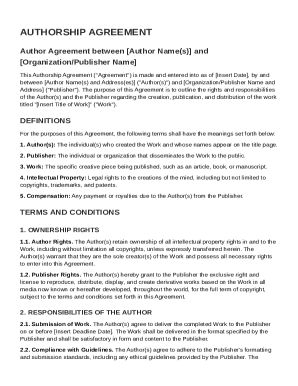
Definition and Purpose of a Developer Contract Template
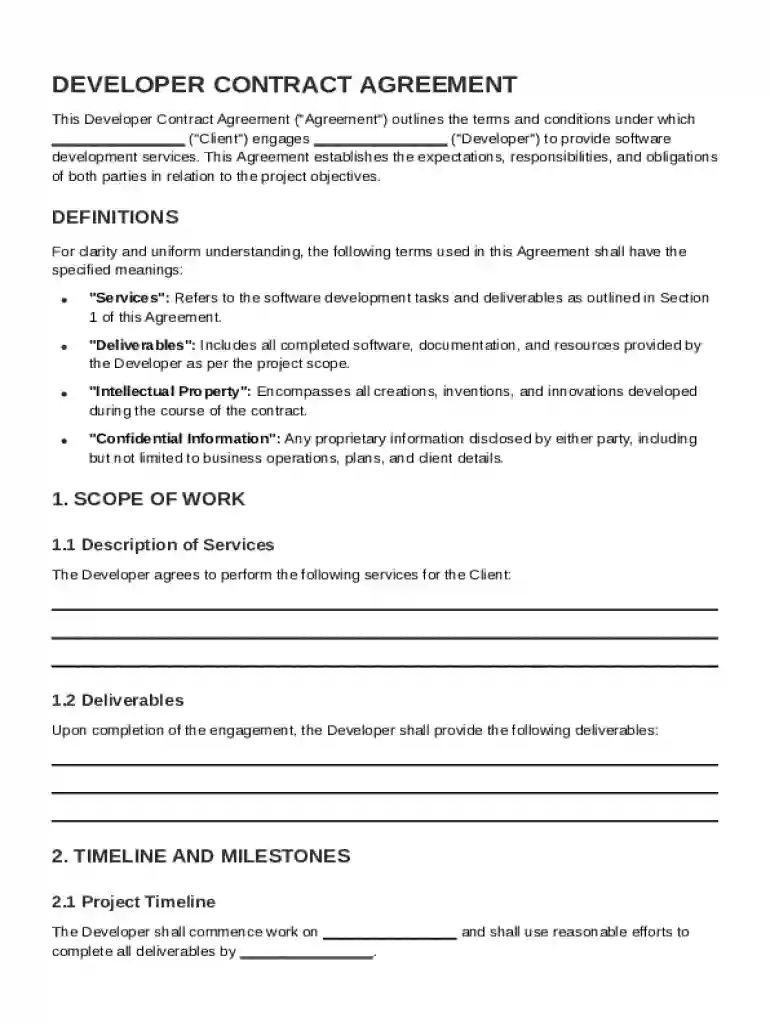
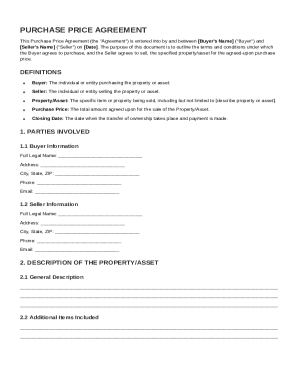
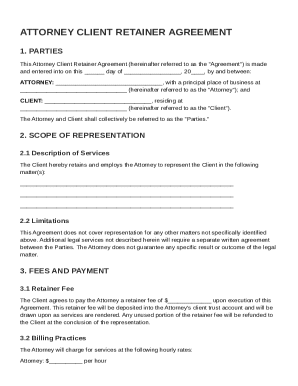
A Developer Contract Template is a preformatted document designed to outline the terms and conditions of a software development agreement between a client and a developer. It establishes the scope of work, deliverables, payment terms, intellectual property rights, confidentiality obligations, and dispute resolution processes. This contractual framework serves to align expectations and responsibilities, minimizing the potential for misunderstandings or disputes. By employing a template, both parties can ensure that they do not overlook crucial elements and craft a comprehensive agreement efficiently.
How to Use the Developer Contract Template
To effectively use a Developer Contract Template, both parties should begin by reviewing and customizing the document to suit their specific project requirements. Key steps include:
- Customization of Terms and Conditions: Tailor sections like scope of work, payment schedules, deadlines, and deliverables to reflect the agreed-upon terms.
- Incorporate Client-Specific Clauses: Add any additional clauses that are relevant to the project, such as confidentiality agreements or IP ownership terms.
- Review by Legal Counsel: Both parties might consider having a qualified attorney review the template to ensure that all legal bases are covered according to state-specific laws.
- Final Agreement and Signing: Once both parties agree on the terms, the contract should be signed and dated by both the client and the developer to formalize the agreement.
Steps to Complete the Developer Contract Template
Completing a Developer Contract Template involves several steps to ensure all necessary details are captured comprehensively:
- Fill in Party Details: Add the names, addresses, and contact information of both the client and the developer.
- Define the Project Scope: Clearly outline what tasks and deliverables are expected throughout the project.
- Specify Payment Terms: Include payment amounts, due dates, and methods of payment.
- Set Milestones and Deadlines: If applicable, establish milestones and associated deadlines to track project progress.
- Outline Termination Conditions: Clarify the terms under which the contract can be terminated by either party.
- Include Signatures: Ensure both parties review the completed document and sign to confirm their acceptance.
Key Elements of the Developer Contract Template
The Developer Contract Template should include several critical components to effectively protect the interests of both parties:
- Scope of Work: Clearly defines the tasks and deliverables expected from the developer.
- Payment Terms: Details regarding payment amounts, methods, and schedules.
- Intellectual Property Ownership: Establishes who retains ownership rights of the developed software.
- Confidentiality Obligations: Ensures sensitive information is protected from unauthorized disclosure.
- Warranties and Liabilities: Specifies any warranties provided by the developer and limits on their liability.
Legal Use of the Developer Contract Template
Using a Developer Contract Template legally involves ensuring compliance with relevant laws and regulations. This includes:
- Adhering to Local Laws: Tailor the contract to meet the legal requirements of the state where the work will be performed.
- Incorporating Necessary Legal Clauses: Include clauses that address dispute resolution and applicable jurisdictions.
- Securing Proper Signatures: Ensure that all signing parties have the legal authority to enter the contract.
- Documentation and Record-Keeping: Maintain records of the signed contract and any amendments made during the project's duration.
Important Terms Related to the Developer Contract Template
Understanding the terminology used in a Developer Contract Template is crucial for clear communication. Some important terms include:
- Deliverables: The specific outputs expected from the developer upon project completion.
- Milestones: Key points during the project development where specific deliverables or outcomes are expected.
- Indemnification: A provision where one party agrees to compensate the other for any losses or damages.
- Force Majeure: A clause that frees parties from liability or obligation when an extraordinary event or circumstance occurs.
Examples of Using the Developer Contract Template
Practical scenarios highlight the usage of a Developer Contract Template:
- Startup Scenario: A tech startup hires a freelance developer to create a mobile app, using the template to define project scope and ownership rights of the code.
- Corporate Engagement: A corporation entering a long-term contract with a development firm can use the template to detail deliverables across multiple project phases and their confidentiality requirements.
- Individual Freelancer: A freelance developer uses a template to formalize their agreement with a client, ensuring clarity regarding payment upon achieving specific milestones.
Each section of this structured content provides specific insights into the usage, customization, and practical application of a Developer Contract Template to facilitate an efficient and legally sound agreement process.