






Definition and Meaning
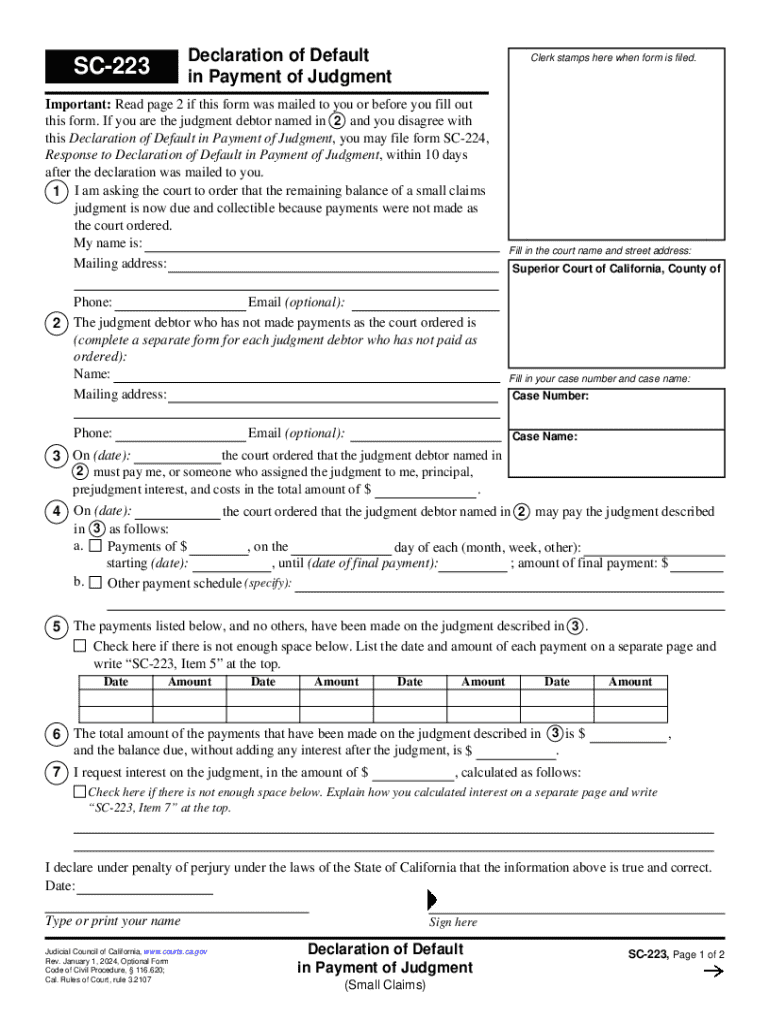
A "request for default form from a debt collector" is typically a legal document sent to a debtor to inform them that a debt collection agency has applied for a default judgment against them. This form is generally used when the debtor has failed to respond to a lawsuit regarding outstanding debts within the specified time frame, often leading the creditor to seek a court's judgment by default. Understanding the implications of this document is critical as it can lead to a court order for wage garnishment, bank account levies, or liens on property if not properly addressed.
Steps to Complete the Form
-
Carefully Review the Document: Start by thoroughly examining the entire form to ensure you understand every section. Pay close attention to the deadlines and any specific instructions.
-
Verify the Debt: Confirm that the details like the amount owed and the creditor's information are accurate. Disputing any discrepancies early on can prevent an unwarranted default judgment.
-
Gather Required Information: Collect all relevant documents such as previous correspondence from the creditor, proof of payments made, or other documentation related to the disputed debt.
-
Form Response: Typically, you will need to file a response with the court. This might be in the form of an answer to the complaint detailing your defense or a motion to set aside a default judgment if it has already been entered.
-
Seek Legal Advice: Given the serious implications, involving an attorney at this stage may provide you professional guidance tailored to your situation.
Key Elements of the Form
-
Identification Information: The form will require you to fill out personal identification details, such as your full name, address, and possibly Social Security Number.
-
Debt Details: Specifics about the debt in question, including the original creditor's name, the total amount claimed, and any previous communications regarding the debt, must be accurately captured.
-
Court Information: The court's details where the form needs to be returned, along with any case numbers, should be clearly marked and correctly noted.
-
Response Instructions: Follow any instructions on how and where to submit your response, including deadlines for submission to avoid a default judgment.
Legal Use and Implications
The legal implications of a request for default form from a debt collector are significant. Once a default judgment is entered, it obligates the debtor to pay the stated debt, potentially allowing the creditor legal avenues to enforce this judgment. Legally, you must adhere to strict deadlines and procedures detailed in this form to prevent the automatic entry of judgment against you. Consulting with a legal professional can help better understand the potential outcomes and navigate the judicial process effectively.
Examples of Using the Form
-
Non-Response Consequences: If Jane Doe ignores the request for default form sent by her creditor, the court may grant a default judgment at the creditor's request, leading to wage garnishment.
-
Successful Dispute: John Smith receives a request for default form but contests the debt accuracy. He provides evidence showing incorrect debt amounts and successfully prevents a judgment.
-
Negotiated Settlements: By responding promptly and seeking mediation, Sarah Lee was able to negotiate her debt down and arrange a manageable repayment plan, avoiding default judgment.
Required Documents
-
Proof of Debt Validity: Documents showing the original agreement for which the debt was incurred.
-
Payment Records: All evidence of payments made towards the debt.
-
Communication Records: Documented interactions with debt collectors including letters, emails, or notes of phone calls.
-
Legal Correspondence: Copies of the complaint and any other court documents related to the case.
Form Submission Methods
-
Online: Many jurisdictions offer online portals for submitting court forms, which can be more efficient and offer immediate confirmation of receipt.
-
Mail: For those with limited internet access, forms can often be sent through postal mail, although this requires additional time for delivery.
-
In-Person: Submitting directly to the court clerk’s office can ensure immediate receipt and allows you to ask any immediate questions directly to court staff.
Penalties for Non-Compliance
Failing to respond to a "request for default form from a debt collector" carries severe consequences, primarily the issuance of a default judgment against you. Such a judgment can permit the creditor to enforce collections aggressively, including seizing assets, wage garnishment, or even placing liens on property. Non-compliance with court orders following a default judgment can escalate to contempt of court, further complicating the debtor's legal situation.
State-Specific Rules
Laws and regulations governing the use of default forms can vary widely by state. Some states have stringent requirements for notifying debtors, others might provide differing timelines to respond, and some require mandatory mediation attempts before a default can be entered. It's imperative to understand the particular rules of the state where the case is filed, as this will affect both the debtor's rights and obligations.
By understanding these various aspects, individuals can better navigate the complexities of handling a request for default form from a debt collector, ensuring they respond appropriately to protect their rights and financial future.