



Definition and Meaning
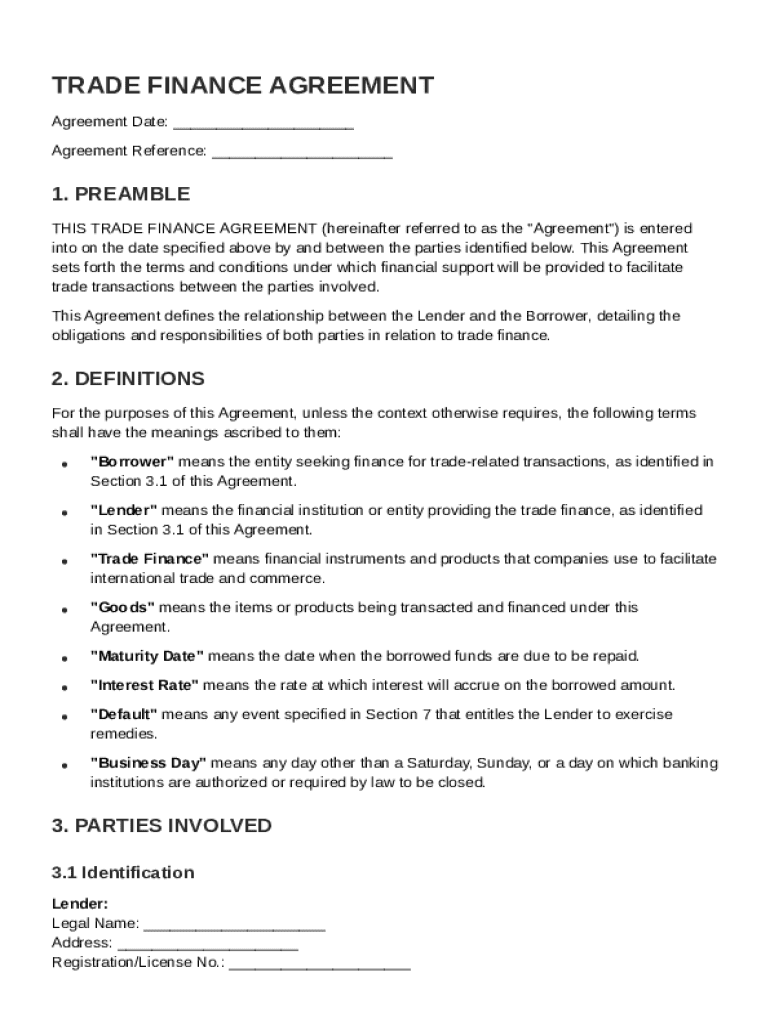
The Trade Finance Agreement Template serves as a formal document that outlines the terms and conditions between a lender and a borrower to facilitate trade transactions. It typically includes various sections detailing the purpose of the agreement, the scope of financing, and essential definitions used throughout the document. The template ensures all parties have a mutual understanding of their roles and responsibilities, thus minimizing ambiguity and enhancing clarity in business dealings. The template is a critical tool for anyone involved in international or domestic trade, providing a structured framework for securing financial support necessary to carry out their transactions.
In practice, this template acts as a foundation for varying types of trade finance agreements, whether they involve loans, letters of credit, or other financial instruments aimed at ensuring smooth commercial transactions. It is designed to cover all essential elements needed to legally bind parties into the contract, protecting the interests of both lenders and borrowers. The clear structuring of terms, conditions, and obligations facilitates a secure environment for conducting trade, essential for maintaining business continuity and reducing risks associated with financial discrepancies.
Key Elements of the Trade Finance Agreement Template
The template features several critical sections that are essential for a comprehensive and legally sound document. These include:
- Parties Involved: Clearly identifies the lender(s) and borrower(s), including full legal names and contact information.
- Purpose and Scope: Outlines the nature of the trade transaction and how the financing will be employed.
- Loan Disbursement Details: Specifies the terms under which funds will be released, including timelines and conditions for disbursement.
- Interest Rates and Payment Schedules: Details the financial terms, including applicable interest rates, payment due dates, and amortization schedules.
- Representations and Warranties: States the assertions of both parties to ensure compliance with laws and obligations.
- Events of Default and Remedies: Defines conditions under which the agreement may be breached and the remedial actions that follow.
- Governing Law: Indicates the jurisdiction and the legal framework governing the agreement.
- Miscellaneous Provisions: Includes clauses on dispute resolution, amendments, and confidentiality.
These elements provide a comprehensive view of the contractual obligations, thereby facilitating a mutual understanding and compliance.
How to Use the Trade Finance Agreement Template
Using the Trade Finance Agreement Template effectively requires careful attention to detail as well as a clear understanding of the involved trade transaction.
- Review the Template: Begin by thoroughly examining each section of the template to familiarize yourself with its components.
- Customize the Details: Adjust the template to reflect the specific circumstances of your trade transaction. This includes filling in the names of the involved parties, modifying any general terms to fit your specific needs, and specifying payment terms tailored to the agreement.
- Legal Consultation: It may be necessary to consult with a legal professional to ensure compliance with relevant laws and to verify that all terms are met.
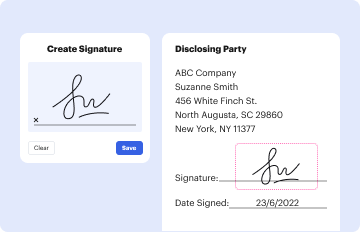
- Finalization: Once customized, review the entire document to ensure accuracy, then proceed to have all parties sign the agreement. This validates the contract and cements its enforceability.
- Implementation: After execution, both parties should adhere to the agreed terms, maintaining regular communication to manage any subsequent modifications.
Employing the template is a streamlined process that guides users through creating a legally binding document that outlines crucial terms and conditions for trade-related financial arrangements.
Who Typically Uses the Trade Finance Agreement Template
The Trade Finance Agreement Template is primarily utilized by:
- Exporters and Importers: Businesses engaged in cross-border trade that require financial backing to manage cash flow and mitigate risks.
- Banks and Financial Institutions: Lenders seeking to provide financial support to businesses in exchange for interest and credit repayment.
- Corporate Treasurers: Financial professionals tasked with securing funding and managing financial risks related to trade.
- Trade Finance Advisors: Consultants helping clients structure and implement effective trade finance transactions.
This template bridges multiple sectors within the financial and international trade communities, serving as a cornerstone tool for managing the financial aspects of trade operations.

Business Types That Benefit Most from the Trade Finance Agreement Template
Certain business entities are more inclined to take advantage of this template due to the nature of their operations:
- Manufacturing Companies: These entities often require imported raw materials and therefore benefit from financing that supports procurement.
- Retail Businesses: Retailers needing inventory management support during the procurement trails.
- Wholesalers and Distributors: These businesses benefit from funding to manage bulk purchasing.
- Logistics and Shipping Companies: Companies that handle the transportation of goods often require financing to cover operating costs while waiting for client payments.
This template offers each of these business types the financial flexibility required to carry out operations smoothly and efficiently.
Legal Use of the Trade Finance Agreement Template
Ensuring the Trade Finance Agreement Template is legally binding involves several considerations. The document must comply with applicable financial regulations, both domestically and internationally, depending on the trade's scope.
- Governing Legislation: Always ensure that the agreement is governed under laws appropriate to the involved jurisdictions. Legal counsel can confirm that the document is properly structured to meet all legislation.
- Comprehensive Clauses: Each part of the template should be clearly defined to uphold its enforceability in a court of law.
- Compliance with International Trade Laws: If the trade involves cross-border transactions, make sure that the agreement adheres to international trade laws and conventions.
These legal considerations ensure that the template serves as a legally valid document that secures the rights and obligations of each party.
Software Compatibility
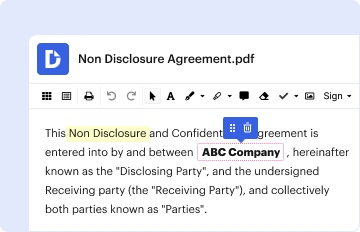
While the Trade Finance Agreement Template is often managed via traditional word processors, compatibility with enhanced document platforms such as DocHub can significantly improve its usability. These platforms allow direct editing, sharing, and signing of documents without needing additional software.
- File Formats: Compatible formats include DOC, PDF, and TXT, each offering flexibility based on the preference of the users.
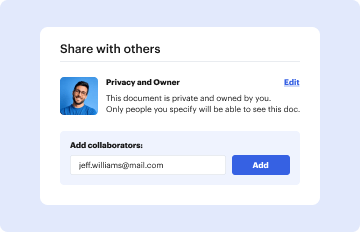
- Cloud Integration: Platforms such as Google Drive or Dropbox enable straightforward document sharing and collaboration.
- Editing and Signing Tools: Users can modify the template directly online, add or request signatures, and manage permissions for collaborative input.
These features boost productivity and streamline the document management process.
Important Terms Related to the Trade Finance Agreement Template
Understanding the specific terms and terminologies associated with a Trade Finance Agreement is essential for both drafting and execution:
- Letter of Credit (L/C): A financial instrument from a bank guaranteeing that a buyer's payment to a seller will be received on time and for the right amount.
- Factoring: A type of financial transaction in which a business sells its accounts receivable to a third party (the factor) at a discount.
- Forfaiting: The purchase of receivables from exporters by the forfaiter.
- Cross-Border Trade: Trade that involves the selling and buying of goods or services between countries.
- Credit Risk: The possibility that a borrower will fail to meet obligations in accordance with agreed terms.
These terms form the backbone of the agreement, defining its nature and scope while ensuring a common understanding between parties.