






Definition and Purpose of a Loan Modification Agreement
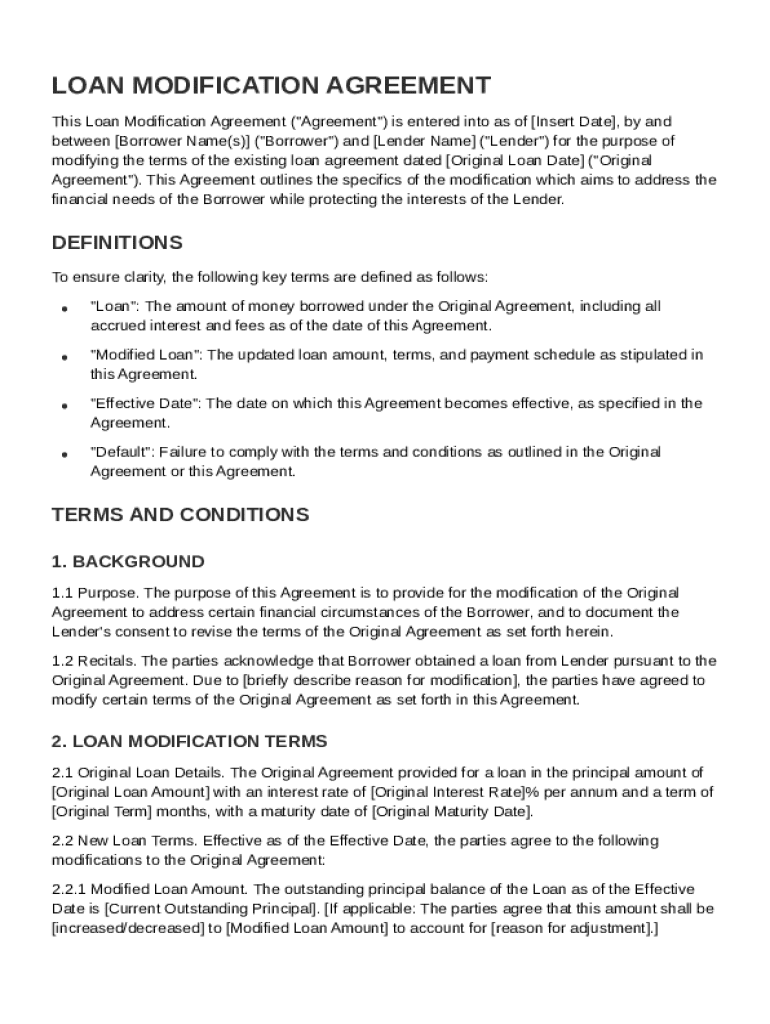
A Loan Modification Agreement is a legal document that alters the terms of an existing loan. It is commonly used by borrowers facing financial challenges who need adjustments to their loan conditions, such as interest rate reductions or payment schedule changes, to continue making payments. The agreement aims to prevent default and foreclosure by accommodating the borrower's financial capacity while preserving the lender's rights and profits.
Changes typically include modifying the principal amount, extending the loan term, or altering the repayment structure. Ensuring both parties' consent and understanding of the new terms is crucial, making it a key tool for loan sustainability.
Key Elements of the Loan Modification Agreement Template
The Loan Modification Agreement Template contains several critical components to ensure clarity and protection for both parties. These elements include:
- Loan Details: Original loan terms, such as the amount, interest rate, and repayment period.
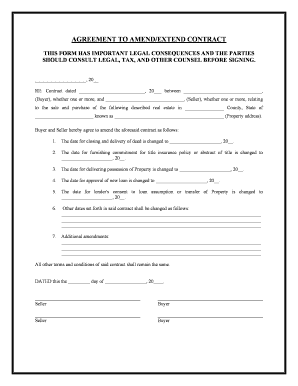
- Modifications: Specific changes being made to the original loan, including any new interest rates or adjusted payment schedules.
- Effective Date: The date when the new terms become active.
- Borrower and Lender Details: Identification and contact information for both parties involved.
- Representations and Warranties: Assurances made by both parties to affirm their ability to adhere to the modified terms.
- Conditions Precedent: Any requirements that must be fulfilled before the modification becomes effective.
- Governing Law: The legal jurisdiction governing the agreement.
- Severability Clause: Provisions ensuring the rest of the agreement remains valid, even if one part becomes unenforceable.
Steps to Complete the Loan Modification Agreement Template
Completing the Loan Modification Agreement Template requires careful attention to detail. Follow these steps:
- Review Original Loan Terms: Understand the existing conditions to identify necessary modifications.
- Consult with Lender: Discuss potential changes and reach an agreement on adjustments.
- Fill in Borrower and Lender Details: Accurately input names, addresses, and contact information.
- Specify Modifications: Clearly outline all adjustments to the loan terms, such as new interest rates or payment schedules.
- Set the Effective Date: Determine and record the start date for the new terms.
- Signatures: Both parties must sign the document to validate the agreement.
- Legal Consideration: Have the agreement reviewed by a legal professional to ensure compliance with applicable laws.
Who Typically Uses the Loan Modification Agreement Template
This template is primarily utilized by:
- Homeowners: Individuals struggling to meet mortgage payments may seek loan modifications to avoid foreclosure.
- Lenders: Financial institutions, including banks and credit unions, use this agreement to assist borrowers while minimizing financial risk.
- Legal Advisors: Attorneys specializing in real estate and finance often guide clients through the modification process.
- Financial Counselors: Professionals helping clients assess financial situations and explore modification as a viable option.


Legal Use and Compliance of the Loan Modification Agreement
For effective and legally compliant use of the Loan Modification Agreement:
- Adhere to Federal Regulations: Ensure the modification aligns with federal laws such as the Truth in Lending Act.
- State Laws: Comply with specific state regulations concerning loan modifications.
- Clear Communication: Maintain transparency and clear documentation throughout the process to avoid disputes.
- Audit Trail: Keep records of communications and signed documents to provide evidence of the agreement's legitimacy.
Important Terms Related to Loan Modification
Understanding these terms is essential for clarity:
- Principal Adjustment: Change in the loan’s principal amount, potentially extending the term.
- Interest Rate Amendment: Alteration to the interest rate to lower monthly payments.
- Payment Rescheduling: Adjusting the due dates or frequency of payments.
- Forbearance: Temporarily suspending or reducing payments to prevent default.
State-Specific Rules for the Loan Modification Agreement
The regulations surrounding loan modifications can vary significantly between states:
- California: Requires lenders to evaluate borrowers' eligibility for modification programs.
- New York: Mandates strict recordkeeping and clear communication from lenders.
- Florida: Offers mediation programs to facilitate agreements between borrowers and lenders.
Real-World Examples of Using a Loan Modification Agreement
Several scenarios illustrate the practical application of loan modifications:
- Economic Downturn: Homeowners experiencing reduced income negotiate for lower interest rates.
- Medical Emergency: A borrower affected by health issues seeks an extension of loan terms to manage expenses effectively.
- Business Impact: Entrepreneurs experience decreased revenue and need adjusted loan conditions to sustain operations.
Each scenario underscores the flexibility and utility of loan modifications in adapting to borrowers' changing circumstances while protecting lenders’ interests.