



Definition and Purpose of the Partnership Agreement Template
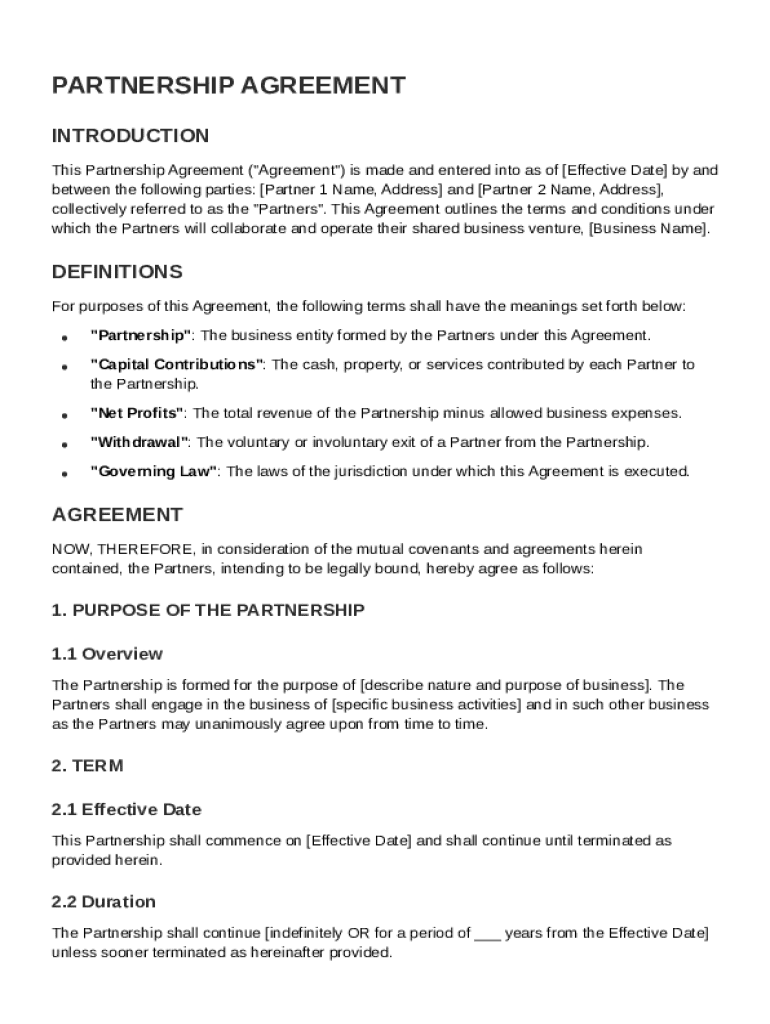
The Partnership Agreement Template serves as a foundational legal document outlining the terms and conditions governing a business venture between two or more partners. This template facilitates clarity by addressing aspects such as capital contributions, profit and loss distribution, management roles, and procedural guidelines for partner withdrawal or additions. By establishing a clear legal framework, the template helps ensure mutual understanding and agreement on operational aspects, paving the way for effective business collaboration.
Components of a Partnership Agreement
A comprehensive Partnership Agreement includes key elements necessary to define the relationship between partners and guide the operation of the partnership. These components often encompass:
- Capital Contributions: Details each partner's initial financial investment.
- Profit and Loss Distribution: Specifies the proportion for sharing business profits and losses.
- Management Responsibilities: Clarifies decision-making processes and each partner’s role.
- Withdrawal and Addition of Partners: Outlines protocols for changes in partnership composition.
- Dispute Resolution Mechanisms: Establishes methods for resolving conflicts.
- Termination Procedures: Provides terms for dissolving the partnership.
How to Use the Partnership Agreement Template
Utilizing this template involves a careful review and customization to suit the specifics of the partnership. Here's a step-by-step guide:
- Review and Understand Each Section: Familiarize yourself with the terms included in the template.
- Customize Details: Modify fields to reflect accurate information about the partnership, such as partner names, contributions, and roles.
- Include Specific Clauses: Tailor sections like dispute resolution to address potential partnership-specific issues.
- Legal Review: Consult with a legal expert to ensure compliance with state laws and that the template accurately represents the partnership’s intentions.
Steps to Complete the Partnership Agreement Template
Completing the template requires attention to detail, ensuring all information is current and correct:
- Identify All Partners: Clearly list each partner's name and contact information.
- Input Financial Contributions: Document each partner’s financial stake.
- Define Operational Terms: Specify decision-making rights and responsibilities.
- Outline Dispute Resolution Processes: Develop clear conflict resolution guidelines.
- Set Terms for Changes: Describe the procedures for adding or withdrawing partners.
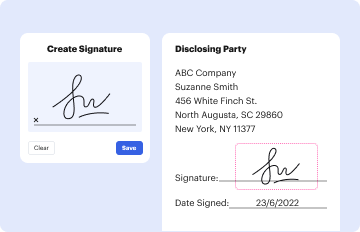
- Final Review and Signature: Thoroughly check the completed template before all parties sign.
Who Typically Uses the Partnership Agreement Template
This template is widely used by various business entities looking to formalize their collaborative efforts:
- Small Businesses forming joint ventures.
- Startups that involve multiple founders pooling resources.
- Law Firms or Consultancy Firms structured as partnerships.
- Family-Owned Businesses aiming to establish clear operational roles and financial arrangements.

Legal Use of the Partnership Agreement Template
The Partnership Agreement Template is legally binding and plays a critical role in ensuring that all partners adhere to agreed terms. It aligns with statutory requirements and supports compliance by:
- Providing a Legal Framework: Acts as a reference point for resolving disputes.
- Securing Financial Interests: Protects each partner’s contribution and expected returns.
- Ensuring Regulatory Compliance: Supports legal requirements needed for partnership registration and operation in various jurisdictions.
Important Terms Related to the Partnership Agreement Template
Familiarize yourself with essential terms that are significant to understanding and utilizing the template effectively:
- Fiduciary Duty: Partners’ obligation to act in the business’s best interest.
- Dissolution: Legal closure of the partnership.
- Buyout Agreement: Terms under which a partner can be bought out.
- Equity Share: Ownership interest in the partnership.
Key Elements for State-Specific Rules
Partnership agreements must conform to state-specific regulations, which may differ in terms of:
- Filing Requirements: Some states require the partnership agreement to be filed with local authorities.
- Taxation Laws: Variations on how partnerships are taxed at the state level.
- Statutory Provisions: Legal mandates for operational and legal structures of partnerships.
Understanding these elements ensures the partnership operates legally within the respective state’s jurisdiction.