






Definition and Meaning
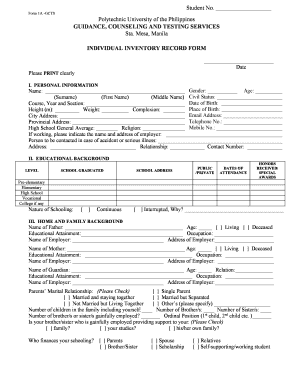
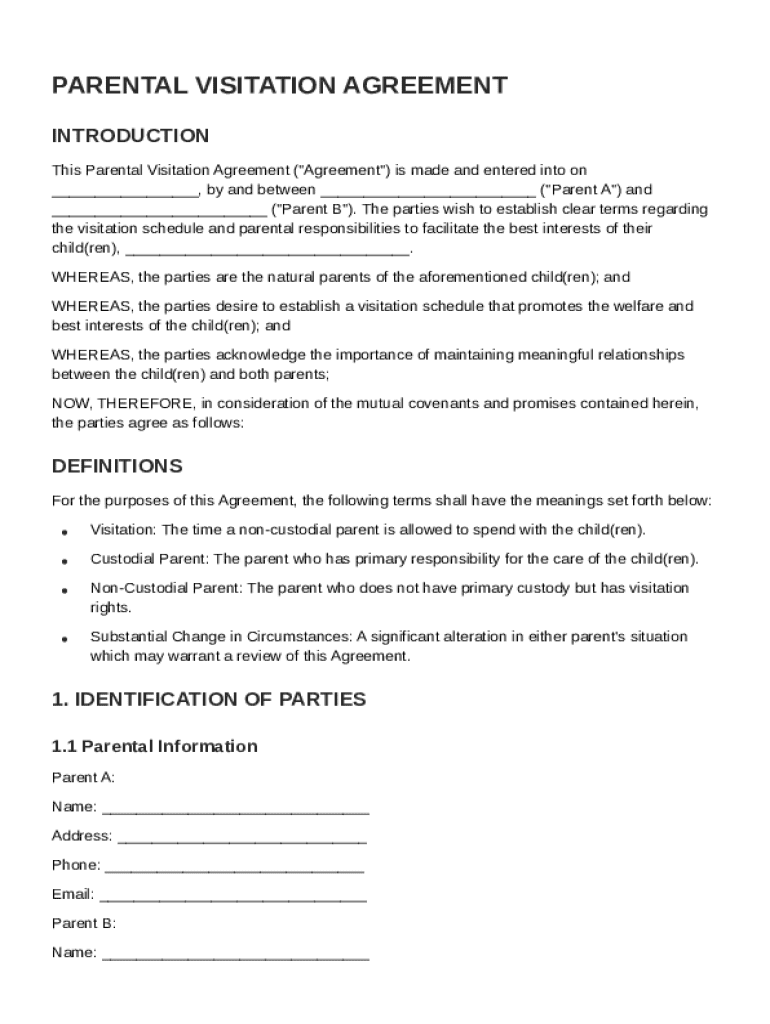
A Parental Visitation Agreement Template is a formal document that establishes guidelines concerning visitation rights and responsibilities between parents of a minor child or children. This template is essential in ensuring that both parents can participate in their child's life post-divorce or separation. It covers various aspects including custody decisions, visitation schedules, and parental duties to maintain a healthy environment for the child.
Key Elements of the Agreement:
- Custody Arrangements: Details whether custody is joint, sole, or otherwise divided.
- Visitation Schedule: Includes specifics about weekly visits, holidays, and vacations.
- Communication Protocols: Outlines methods and frequencies for parent-child communication.
- Transportation Arrangements: Identifies responsibilities for picking up and dropping off the child.
How to Use the Parental Visitation Agreement Template
Utilizing the Parental Visitation Agreement Template involves several essential steps that guide parents in structuring an agreement that is both practical and comprehensive.
- Review the Template: Familiarize yourself with the structure and common clauses included in the template.
- Customize to Needs: Adapt sections to match your specific circumstances, such as visitation frequency and transportation logistics.
- Include Specific Details: Clearly outline the custody arrangement, visitation times, and any unique conditions pertinent to the situation.
- Consult Legal Counsel: For complexities or disputes, engage with a family lawyer to ensure legal adequacy.
- Finalize and Sign: Agree on the terms with the other parent, and both parties should sign to validate the agreement.
Practical Example:
In a shared custody situation, one parent may be designated to have visitation on weekdays, while the other during weekends. Holidays are split or alternated each year.
Steps to Complete the Parental Visitation Agreement Template
Completing the Parental Visitation Agreement Template involves a systematic process to ensure the document is thorough and legally binding.
- Gather Initial Information: Collect personal details like names, addresses, and contact information of both parents.
- Outline Custody Type: Determine whether the arrangement will be joint, sole, or a shared custody format and specify in the document.
- Draft Visitation Schedule: Include regular visitation days and times, holiday arrangements, and summer vacation plans.
- Define Responsibilities: Assign who handles transportation, contributes to special expenses, or makes medical decisions.
- Add Adjustment Processes: Include a mechanism for revisiting and modifying the agreement, should life circumstances change.
- Proofread and Revise: Ensure clarity and completeness of all terms in the document.
- Sign and Notarize: Both parents should sign; consider notarization for extra legal weight.
Important Terms Related to Parental Visitation Agreement Template
Understanding the terminology within the Parental Visitation Agreement Template is crucial for effective communication and implementation.
- Custody: The legal right and responsibility of a parent to care for and make decisions about their child.
- Visitation Rights: Permissions granted to the non-custodial parent to spend time with their child according to the agreement.
- Primary Custodian: The parent who has the child physically residing with them more often.
Legal Use of the Parental Visitation Agreement Template
The Parental Visitation Agreement Template serves legal purposes by providing a structured framework that helps avoid disputes, fosters cooperation, and ensures compliance with child custody laws.
- Ensures Compliance: Adheres to legal standards and fosters adherence to defined visitation and custody terms.
- Dispute Resolution: Provides a legal reference in case of disagreements between parties.
- Court Acceptance: Often recognized by courts, providing a basis for legal enforcement if required.
Examples of Using the Parental Visitation Agreement Template
Real-world examples help illustrate how the template can accommodate various family dynamics and situations.
- Example A: A mother relocated for a job, requiring modification of the previous agreement to accommodate travel.
- Example B: A blended family needed an agreement that included step-parent visitation allowances.
- Example C: In a case of long-distance parenting, overnight visits and extended holiday periods were central to the arrangement.
State-specific Rules for the Parental Visitation Agreement Template
Different states in the U.S. may have unique regulations that affect how parental visitation agreements are made and enforced.
- California: Often requires agreements to include a tracking mechanism for visitation compliance.
- Texas: May emphasize provisions around the "best interest of the child" standard.
- New York: Requires clearly defined cost-sharing mechanisms for travel if parents live significantly apart.
State-by-State Differences
Accounting for state-specific differences ensures that the agreement is compliant and enforceable within the jurisdiction it applies.
Variations Include:
- Jurisdiction Rules: Where a case is filed and governed.
- Age Considerations: Factors affecting a child's preferences in visitation.
- Mediation Requirements: Some states require mediation before court enforcement.
Understanding these regional differences is vital for crafting a robust agreement that will hold effectively in all intended legal contexts.