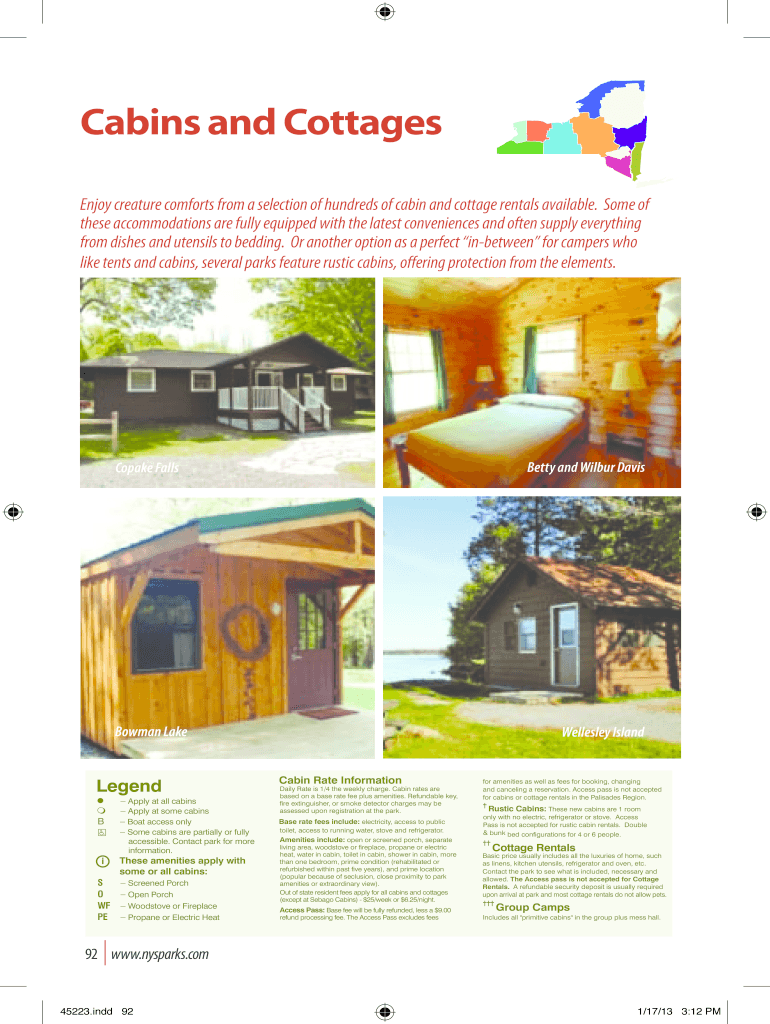







Definition of Cabin and Cottage Rentals
Cabin and cottage rentals refer to the leasing of small, often rustic accommodations, typically located in natural settings like forests, lakesides, or mountainous areas. These rentals serve as temporary lodging options for individuals or families seeking a getaway with access to outdoor activities and natural beauty. Cabins are usually simpler, constructed with wood, and feature basic amenities, while cottages might offer more comprehensive facilities, such as kitchens and modern bathrooms.
How to Use Cabin and Cottage Rentals
To effectively utilize cabin and cottage rentals, consider the purpose of your stay—whether it is relaxation, adventure, or a combination of both. Evaluate the amenities offered, such as outdoor grills, fire pits, or proximity to hiking trails. Determine the duration of your stay and ensure that the rental can accommodate your schedule. Verify if the rental allows pets or offers facilities for children, such as high chairs or cribs, to enhance your experience.
- Identify desired location (e.g., lakefront, mountains).
- Review available amenities (e.g., kitchen facilities, Wi-Fi).
- Check pet and family accommodations.
- Confirm proximity to local attractions.
How to Obtain a Cabin and Cottage Rental
Obtaining a cabin or cottage rental involves several key steps. Initially, conduct an online search for rentals in your preferred region, using platforms dedicated to vacation rentals. Contact the rental owner or manager to inquire about availability, costs, and any special requirements. Once a suitable rental is identified, proceed with a reservation, often requiring a deposit to secure the booking. Rental agreements might necessitate signing, confirming adherence to the defined terms and conditions.
- Research online platforms dedicated to vacation rentals.
- Contact owner/manager for rates and availability.
- Reserve rental with a deposit.
- Sign rental agreement if required.
Steps to Complete the Cabin and Cottage Rental Process
The process to secure a cabin or cottage rental can be broken down into specific steps to ensure a seamless experience:
- Identify Preferences: Determine your travel dates, preferred location, and the size of the accommodation needed.
- Research Options: Use platforms like Airbnb, Vrbo, or regional rental websites to find available options.
- Contact Hosts: Reach out to inquire about specific rental terms, availability, and confirm rates.
- Review Policies: Examine cancellation policies and security deposit requirements to avoid future issues.
- Book Your Stay: Confirm the reservation through the chosen platform or directly with the owner, making any necessary payments.
- Prepare for Travel: Organize travel arrangements and compile any required documents, such as confirmation emails or rental agreements.
- Check-in Details: Verify check-in and check-out times and instructions for accessing the property.
Who Typically Uses Cabin and Cottage Rentals
Cabin and cottage rentals attract a diverse audience. Nature enthusiasts and families often use these rentals for vacations that offer both adventure and relaxation. Additionally, couples seeking a romantic getaway and groups planning retreats or reunions find cabin rentals appealing due to their scenic locations and shared living spaces. The leisure features and the chance to disconnect from urban environments make these rentals popular among various demographics.
- Nature lovers and outdoor enthusiasts.
- Families looking for a vacation spot.
- Couples on romantic retreats.
- Groups and organizations for events.
Key Elements of Cabin and Cottage Rentals
Key elements that define cabin and cottage rentals include location, amenities, and pricing. The setting generally dictates the type of outdoor activities available, such as hiking, fishing, or skiing. Amenities can range from basic (beds and showers) to luxurious (hot tubs and fireplaces). Pricing may vary based on the season, location, and rental features, necessitating a careful evaluation to determine the best fit for your needs.
- Location: Proximity to natural attractions.
- Amenities: Basic to luxurious offerings.
- Pricing: Seasonal variations and rental features.
- Accessibility: Ease of access and transportation options.
Legal Use of Cabin and Cottage Rentals
Legal considerations for cabin and cottage rentals encompass adherence to local rental regulations and zoning laws. Renters must comply with the specific usage terms stipulated by the rental agreement, such as the maximum number of occupants and restrictions on events or businesses conducted on the premises. Additionally, ensure that your stay aligns with local environmental and wildlife protection laws, especially if engaging in outdoor activities.
- Adhere to local housing and rental laws.
- Comply with agreement terms (e.g., maximum occupancy).
- Respect local environmental regulations.
- Verify any additional licenses or permissions required.
Important Terms Related to Cabin and Cottage Rentals
Understanding key terms associated with cabin and cottage rentals enhances the rental experience. Terminology like "rustic" might indicate limited modern conveniences, whereas "amenity-rich" suggests comprehensive facilities. Familiarity with terms such as "seasonal rates" or "security deposit" prepares renters for cost variations and financial requirements. Recognizing these terms ensures a well-informed rental decision.
- Rustic: Limited modern facilities.
- Amenity-Rich: Includes comprehensive amenities.
- Seasonal Rates: Pricing variations based on the time of year.
- Security Deposit: Refundable fee for potential damages.
State-Specific Rules for Cabin and Cottage Rentals
State-specific rules concerning cabin and cottage rentals often involve local taxation, safety regulations, and occupancy limits. For example, some states require collection of lodging taxes, and others may impose safety requirements, such as smoke detector installations. Researching location-specific rules before renting ensures compliance with legal standards and enhances safety for all occupants.
- Lodging Taxes: State-specific tax requirements.
- Safety Standards: Compliance with local safety regulations.
- Occupancy Limits: Adhering to state-imposed limitations.
- Environmental Protection: Observance of eco-friendly practices.