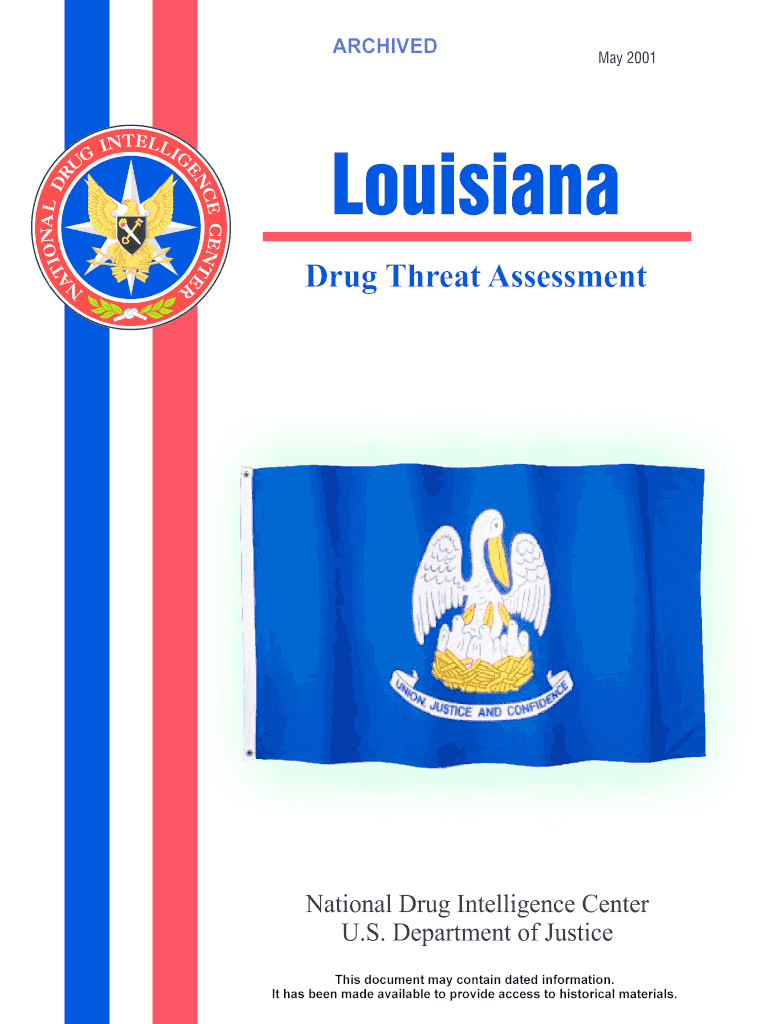







Definition and Purpose of Drug Threat Assessment
A Drug Threat Assessment is a comprehensive analysis aimed at understanding the landscape and severity of drug-related threats within a particular region. This assessment provides valuable insights into the types of drugs prevalent in the area, their routes of distribution, and the organizations involved in their trafficking. It serves as a critical resource for law enforcement agencies, policymakers, and community organizations to devise strategies for combating drug issues effectively. By evaluating patterns and trends, it helps in allocating resources to areas with the highest need and in developing preventative measures tailored to specific drug threats.
Key Elements of Drug Threat Assessment
- Types of Drugs: Identification of prevalent substances such as cocaine, methamphetamine, heroin, and marijuana.
- Distribution Networks: Analysis of the supply chains and the role of criminal organizations.
- Geographical Focus: Examination of regions most affected by drug trafficking and use.
- Impact Analysis: Assessment of the social and economic impact of the drug trade on communities.
- Policy Recommendations: Strategic suggestions for law enforcement and policy interventions.
How to Use the Drug Threat Assessment
Understanding how to utilize a Drug Threat Assessment effectively involves several steps. First, stakeholders should familiarize themselves with the report's structure, which typically includes an executive summary, detailed findings, and recommendations. By focusing on sections relevant to their jurisdiction or area of concern, users can extract actionable insights. The assessment should guide the development of targeted interventions, collaborative efforts with local agencies, and the allocation of resources.
Steps for Utilizing the Assessment
- Identify Key Issues: Focus on the major drug threats highlighted in the report.
- Strategize Interventions: Use recommendations to plan interventions specific to your region.
- Collaborate with Agencies: Work with local, state, and federal entities to address identified threats.
- Evaluate Progress: Implement measures and regularly review their effectiveness against the assessment's findings.
Important Terms Related to Drug Threat Assessment
Understanding the terminology used in Drug Threat Assessment is crucial for effective communication and strategy development. Key terms often include:
- Transshipment Point: A location that facilitates the distribution of illegal drugs.
- Street Gangs: Groups involved in street-level drug distribution.
- Outlaw Motorcycle Gangs: Motorcycle clubs engaged in organized crime, including trafficking.
- Crack Cocaine: A potent form of cocaine commonly highlighted as a significant threat.
- Methamphetamine Production: Manufacturing processes contributing to the local or national drug supply.
Legal Use of the Drug Threat Assessment
Drug Threat Assessments play a vital role in legal frameworks and policy development. They serve as evidence for legislative bodies to propose new laws or amend existing ones to better address drug-related crimes. Furthermore, these assessments support law enforcement by offering detailed intelligence that can inform operations and enhance inter-agency cooperation. Legal practitioners may use them to understand the broader context of drug-related cases, providing a factual basis for various legal arguments.
Examples of Using the Drug Threat Assessment
Drug Threat Assessments can be utilized in case studies where law enforcement disrupted a drug trafficking network based on insights derived from such evaluations. These assessments may lead to successful policy interventions, such as increased funding for drug prevention programs in areas identified as high-risk. As a resource for educational campaigns, they provide data that increases public awareness about the dangers of prevalent drugs and the consequences of drug trafficking.
Form Submission Methods for Drug Threat Assessment
The compilation and presentation of a Drug Threat Assessment require meticulous data collection and submission practices. Stakeholders can participate in these assessments by providing relevant data through various channels. This may include online data submission portals, physical document mailings, or in-person interviews and consultations with agency representatives. Ensuring the accuracy and comprehensiveness of submitted information is crucial for the assessment’s reliability and effectiveness.
State-Specific Rules for Drug Threat Assessment
Drug Threat Assessments often account for state-specific regulations and unique drug challenges faced by different U.S. states. These assessments must align with local laws, enforcement capabilities, and community priorities to be effective. For instance, a state with a significant opioid crisis may focus its assessment on opioids more so than other drugs. Understanding the legal landscape and regional variations in substance use is essential for creating a comprehensive threat assessment that accurately reflects the local context.
State-by-State Differences
- Regulatory Environment: States may have different legal thresholds for possession and distribution.
- Prevalent Substances: Drugs of concern can vary significantly between states.
- Enforcement Priorities: State-specific law enforcement strategies influence focus areas in assessments.
Versions or Alternatives to the Drug Threat Assessment
While the Drug Threat Assessment is a standardized form of evaluation, alternative assessments or versions may exist tailored to specific contexts or emerging threats. These can include regional drug market analyses, community impact studies, and focused reports on particular substances or trafficking patterns. Adaptations may be necessary to address unique regional issues or to meet the evolving needs of stakeholders.
Alternate Formats
- Community-Specific Reports: Focused assessments on small community levels.
- Substance-Focused Analysis: Detailed reports on specific drugs like opioids.
- Time-Sensitive Briefs: Quick updates on changing drug trends in dynamic environments.