
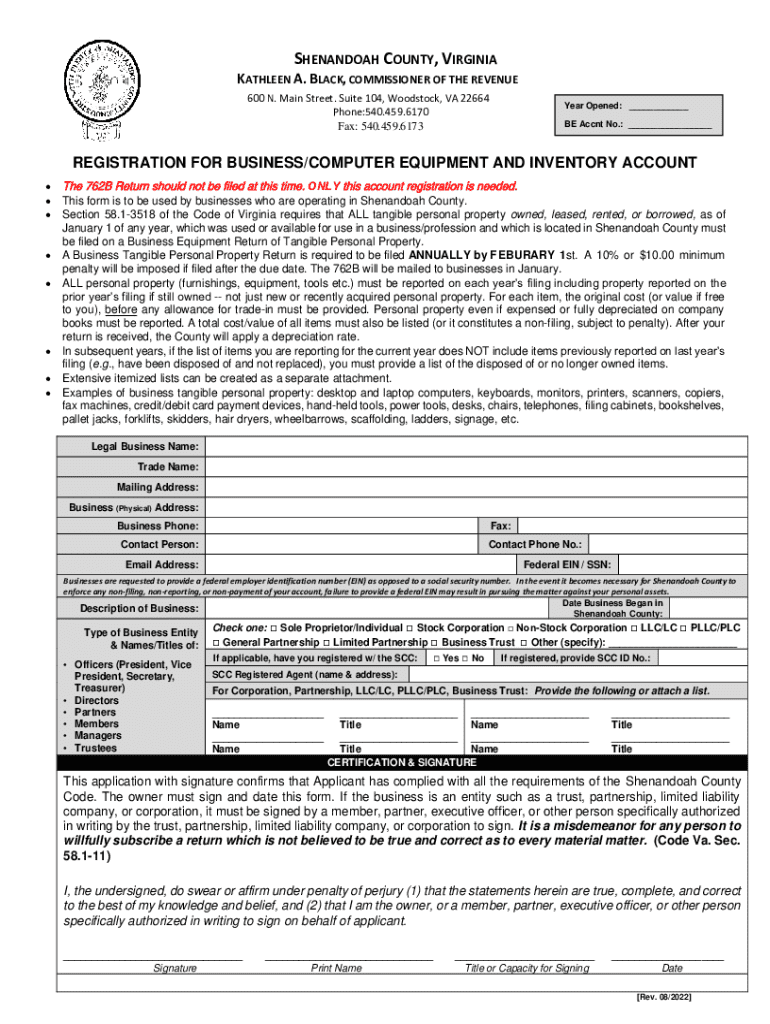







Definition & Meaning
The "FAQsCommissioner of Revenue" form is a critical document that serves as a point of guidance for taxpayers and business entities concerning their interactions with the revenue department. This form typically provides insights into common questions and issues that taxpayers might encounter, streamlining their compliance and operational procedures. Whether it involves understanding tax obligations, filing requirements, or exemptions, the form delivers essential information specific to the department’s responsibilities and services.
Key Elements of the FAQsCommissioner of Revenue
Several elements form the backbone of this form, making it a vital resource for clarity around revenue-related queries. These components typically include detailed responses to frequently asked questions, explanations of tax codes and regulations, and insights into departmental processes. Whether discussing property assessments or business licensing, these answers aim to demystify administrative procedures, helping stakeholders manage their legal responsibilities efficiently. By compiling these elements, the form serves as an authoritative reference for compliant and smooth interactions with the revenue authority.
Who Typically Uses the FAQsCommissioner of Revenue
Various individuals and entities find this form beneficial, including business owners, property managers, tax professionals, and private citizens. While business entities use it to comprehend their reporting obligations and tax computations, private citizens may consult it for personal property assessments or exemptions. Moreover, tax advisors can leverage the form to offer accurate guidance to clients. Ultimately, any stakeholder interacting with the taxation system will find value in the structured information provided by the FAQs form, ensuring they are at the forefront of compliance requirements.


Steps to Complete the FAQsCommissioner of Revenue
Proper utilization of this form involves a few straightforward steps. Initially, users need to identify their particular information requirements or areas of confusion, such as licensing or filing deadlines. After pinpointing these needs, they can carefully review the form to locate the relevant FAQ sections. It’s crucial to understand each answer provided fully, seeking clarification on complex issues if necessary. Finally, users should note any actions required from their end, whether that involves submitting forms, paying dues, or seeking additional professional advice.
- Identify specific information needs
- Locate corresponding sections within the form
- Thoroughly understand responses
- Note any required follow-up actions
Important Terms Related to FAQsCommissioner of Revenue
Understanding key terminology associated with this form is critical for accurate interpretation. Common terms include "tangible personal property," referring to physical assets subject to taxation, and "exemption," denoting assets or income not subject to tax. Other terms like "assessment" and "filing requirement" are also pivotal as they respectively represent the valuation of property for tax purposes and the necessity to submit specific documentation within set timeframes. Familiarity with these terms enhances comprehension and ensures proper compliance with outlined obligations.
State-Specific Rules for the FAQsCommissioner of Revenue
Revenue-related guidelines can differ significantly across states. While some states may have specific exemptions or credits applicable to certain types of income or property, others might not. Awareness of these distinctions is crucial for accurate compliance. Understanding state-specific filing procedures or deadlines is also imperative, as these can impact the timeliness and legality of submissions. Consulting the FAQsCommissioner of Revenue form tailored to the specific state ensures that taxpayers and businesses adhere to localized requirements.
Legal Use of the FAQsCommissioner of Revenue
Legally, the FAQs form is designed to support informed compliance and legal adherence. By presenting clear answers and explanations, it helps taxpayers avoid misinterpretations that could lead to non-compliance or legal penalties. The form also often cites relevant legal codes and statutes, providing a lawful groundwork for its answers. Utilizing this document appropriately can significantly reduce legal risks associated with tax reporting and filing, promoting transparent and compliant financial practices.
Software Compatibility (TurboTax, QuickBooks, etc.)
The utility of the FAQsCommissioner of Revenue extends into the digital realm, with compatibility considerations for users employing software like TurboTax and QuickBooks. These systems facilitate the management and submission of tax-related documents, effectively integrating FAQs as part of their user guidance protocols. Compatibility ensures that taxpayers can efficiently navigate filing processes, accurately report obligations, and maintain comprehensive financial records, all while accessing the critical answers and clarifications found within the FAQs document.
Filing Deadlines / Important Dates
Adhering to stipulated deadlines is critical for compliance. The FAQs form typically outlines key filing dates, including deadlines for business licenses, property tax filings, and other declarations. Failing to meet these deadlines can result in penalties. Therefore, always noting these critical dates and incorporating them into planning and procedural calendars is essential for maintaining compliance and avoiding unnecessary legal or financial repercussions.
Penalties for Non-Compliance
Non-compliance with the guidelines highlighted in the FAQs form can lead to severe penalties, including fines, interest charges, or legal actions. Understanding the implications of late filings, incorrect declarations, or failure to adhere to outlined obligations is crucial for any taxpayer or business. The FAQs form often details these penalties, ensuring that users are aware of the consequences of non-compliance, prompting proactive measures to meet all legal requirements reliably.
Examples of Using the FAQsCommissioner of Revenue
Practical application of the FAQs form often manifests in scenarios such as troubleshooting filing issues, clarifying the eligibility for specific tax credits, or confirming the procedural steps for obtaining a business license. For instance, a small business owner might use the form to resolve confusion about property tax obligations on newly acquired office equipment. Similarly, an individual might consult the form to understand exemptions applicable to their situation, enabling informed decision-making and precise tax planning.
Business Types That Benefit Most from FAQsCommissioner of Revenue
Certain business types, such as LLCs, corporations, sole proprietorships, and partnerships, stand to gain significantly from the FAQs document. These entities can leverage the comprehensive responses and clarifications to optimize their tax planning, ensure timely compliance, and streamline their financial operations. The document helps demystify complex tax codes and facilitates a thorough understanding of state and federal requirements, making it an instrumental tool for effective financial and legal management within diverse business structures.




