







Definition & Meaning
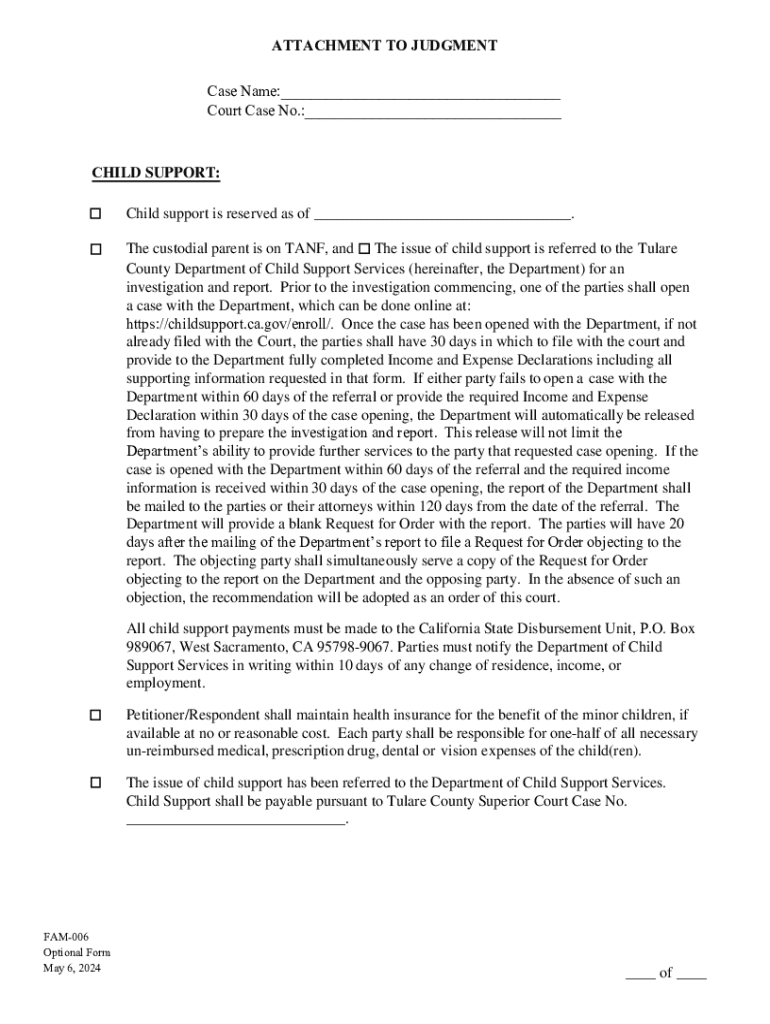
The "Stipulation for Entry of Judgment Re: Establishment of" is a legal document used in court cases, particularly related to the establishment of child support or similar obligations. This form serves as an agreement between parties to accept a judgment without further court hearings. It indicates that both parties consent to the terms outlined within the document, which can cover aspects like financial responsibilities, parenting arrangements, or other custodial matters. By signing the stipulation, the parties agree to adhere to the terms set forth, making the judgment legally binding once entered by the court.
How to Use the Stipulation for Entry of Judgment Re: Establishment of
To use this stipulation effectively, follow these steps:
-
Review Requirements: Carefully read the form and ensure that all required sections are addressed. This often involves outlining financial responsibilities, child custody arrangements, or other agreed-upon terms.
-
Complete the Form: Fill in all necessary information accurately. This includes your personal details and those of any other involved parties.
-
Seek Agreement: Both parties must agree to the terms outlined in the form. Discuss and negotiate if necessary, to ensure mutual consent.
-
Obtain Signatures: Sign the document in the designated spaces. Both parties must provide signatures to validate the agreement.
-
Submit the Form: Once completed and signed, submit the form to the relevant court clerk for it to be entered into the case records.
Steps to Complete the Stipulation for Entry of Judgment Re: Establishment of
Completing the stipulation involves several critical steps:
-
Gather Information: Collect all necessary documents and supporting information, such as financial statements or previous court orders.
-
Fill Out Details: Provide detailed information in each section of the form, including personal demographics and case specifics.
-
Specify Terms: Clearly define the terms of the agreement, such as payment amounts, schedules for child support, or parenting time arrangements.
-
Consult Legal Advice: Consider seeking advice from a legal professional to ensure that the stipulation complies with state laws and is in your best interest.
-
Verify Completeness: Double-check the form for completeness and accuracy before signing.
-
Finalize Agreement: Have all parties review and agree to the finalized terms, then proceed with signatures.
Legal Use of the Stipulation for Entry of Judgment Re: Establishment of
Legally, this stipulation acts as a binding agreement enforceable by court order. It's employed to streamline the judicial process by allowing parties to voluntarily agree on specific terms without needing a contentious trial. This form is typically used in family law cases, such as child support establishment, where an expedited and agreed-upon resolution is beneficial for all parties involved.
Key Legal Components
- Mutual Consent: Both parties must agree voluntarily to the stipulation terms.
- Court Approval: The court must approve the stipulated agreement for it to become a judgment.
- Enforceability: Once approved, terms are enforceable as a court order.
Key Elements of the Stipulation for Entry of Judgment Re: Establishment of
The stipulation contains several essential elements:
- Parties Involved: Names and details of the parties entering the agreement.
- Agreement Terms: Specific legal obligations and rights established by the stipulation, such as financial support or custody agreements.
- Signatures: Verification from all involved parties and sometimes their legal representatives.
- Court Authorization: Final endorsement by a judge or official court body.
State-Specific Rules for the Stipulation for Entry of Judgment Re: Establishment of
Requirements and procedures for these stipulations can vary significantly between states:
- Local Laws: Each state may have specific legal statutes governing the validity and enforcement of such stipulations.
- Judicial Requirements: Some states require additional forms or affidavits to accompany the stipulation.
- Filing Procedures: Submission processes and deadlines might differ depending on the jurisdiction.
Understanding these variations is crucial for ensuring compliance and the successful acceptance of the agreement.
Who Typically Uses the Stipulation for Entry of Judgment Re: Establishment of
Primarily used by individuals involved in family law cases, this stipulation is often utilized by:
- Divorcing Couples: Establishing child support, custody, or division of property.
- Separated Parents: Defining or modifying support obligations and custody arrangements.
- Legal Guardians: Formalizing caretaker responsibilities and support logistics.
Professionals such as attorneys or family court mediators frequently assist in drafting and negotiating these stipulations.


Examples of Using the Stipulation for Entry of Judgment Re: Establishment of
Consider the following scenarios:
- Child Support Agreement: Two parents agree to a stipulated amount of monthly support without further court intervention, ensuring stability and predictability.
- Custody Arrangements: Parents agree on a shared custody schedule that suits both parties and is formalized through the stipulation, avoiding protracted court negotiations.
- Property Division: A separating couple stipulates the division of joint assets, such as real estate or vehicles, which the court formalizes without need for a hearing.
These examples highlight the stipulation’s role in simplifying and expediting legal resolutions.
Filing Deadlines / Important Dates
Meeting deadlines is crucial for the acceptance of the stipulation:
- Submission Deadline: Often mandated by court schedules, it is important to file the stipulation before any hearings or legal deadlines.
- Review Periods: Allow sufficient time for court review and potential modifications.
- Effective Date: Be aware of when the stipulation becomes legally effective, typically following court approval and entry into the record.
Knowing these timelines ensures compliance and the timely enforcement of the stipulation terms.




