





Definition and Meaning
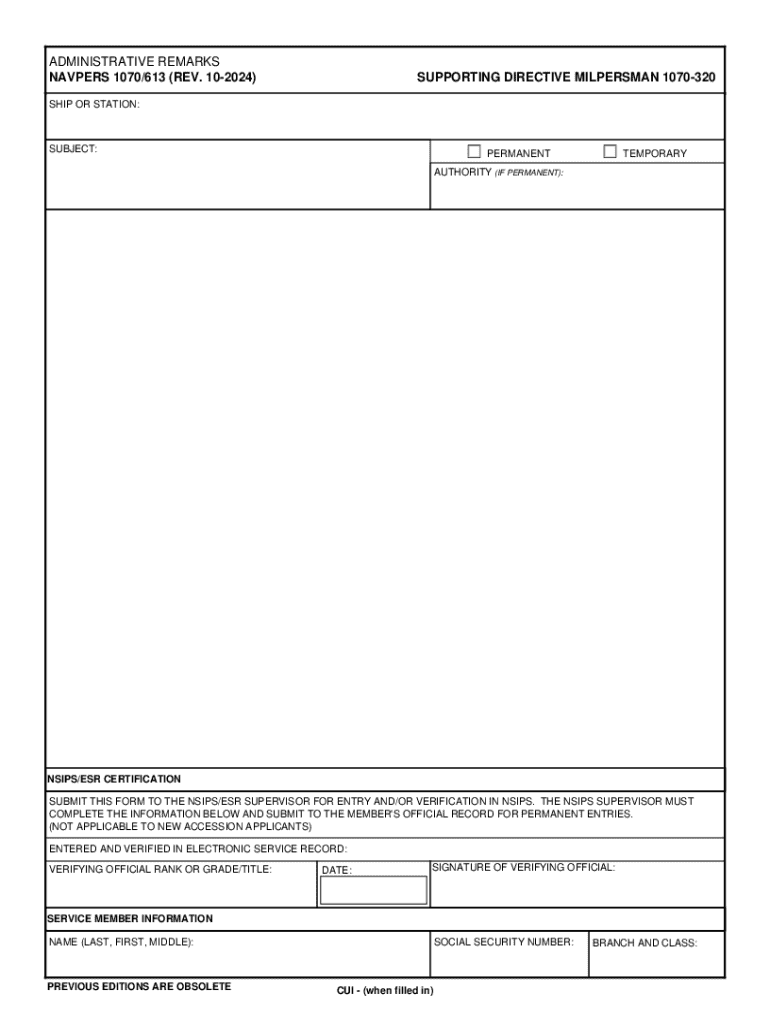
The "form online" refers to digital documents that can be filled out, submitted, and processed over the internet. These forms replace traditional paper documents and offer advantages such as efficiency, convenience, and accessibility. Common examples include tax forms, applications for services, and registration documents. Online forms can contain various types of input fields, like text boxes and drop-down menus, to collect specific information from users.
How to Use the Form Online
To use a form online, start by accessing the relevant website or platform hosting the form, such as DocHub. Follow these essential steps:
- Access the Form: Navigate to the document or form section of the website.
- Fill Out Required Fields: Enter information into text boxes, checkboxes, and other interactive elements.
- Review and Verify Entries: Ensure all information is accurate. Use built-in features to check for errors or omissions.
- Submit the Form: Use the designated button or link to submit the completed form. Confirmation of submission is typically provided via email or an on-screen message.
Online platforms may offer additional functionality, such as saving progress, allowing multiple sessions to complete complex forms, or providing instructions and help tips.
How to Obtain the Form Online
Obtaining a form online usually involves a straightforward process:
- Visit the Appropriate Website: Start on the specific website relevant to the form, such as a government agency, service provider, or document management platform like DocHub.
- Select the Form: Use the search or navigation tools to locate the form you need.
- Download or Open Online: Depending on how the form is offered, you can either download it for offline completion or open it directly in a web-based editor to complete immediately.
Steps to Complete the Form Online
Completing a form online requires attention to detail to ensure accuracy:
- Identify Required Fields: Focus on sections marked as mandatory, which must be completed before submission.
- Enter Information Carefully: Input information in the specified format to avoid processing errors.
- Utilize Help Tools: If available, use helpful guides or on-screen suggestions to understand complex sections.
- Review Thoroughly: Check all entries for correctness before proceeding to submit.
- Submit According to Guidelines: Use the proper submission mechanism, whether it's an email, direct upload, or another specified method.
Why Should You Use Forms Online
Online forms simplify many processes by providing several advantages:
- Efficiency: Reduces time spent on paperwork by allowing quicker data entry and automated processing.
- Accessibility: Individuals can access forms from any device with internet connectivity, eliminating the need for physical presence.
- Environmentally Friendly: Minimizes the use of paper, contributing to sustainability efforts.
- Error Reduction: With built-in validation checks, online forms help minimize common mistakes.
Who Typically Uses the Form Online
Forms online are popular among a diverse range of users, including:
- Individuals: For personal tasks like tax filing, benefits applications, and service enrollments.
- Businesses: Engage in licensing, vendor registrations, and compliance-related submissions.
- Institutions and Government Agencies: Offer citizens and clients the ability to complete administrative tasks digitally.


Key Elements of the Form Online
Essential components of online forms include:
- Form Fields: Interactive areas for data entry, including text boxes, radio buttons, and drop-down lists.
- Instructions and Guidance: Sections instruct users on how to fill out the form correctly, often supplemented with tooltips.
- Submission Button: An element that, when clicked, sends entered data to the designated recipient.
- Progress Indicators: Visual markers that guide users through multi-page forms, indicating completion status.
Legal Use of the Form Online
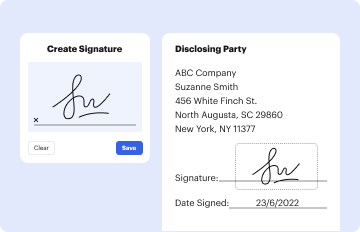
The legitimacy of using online forms is supported by acts such as the ESIGN Act in the United States, which ensures electronic signatures are legally equivalent to handwritten ones. Online forms facilitate compliant transactions for both personal and business purposes, with many platforms adhering to data protection regulations.
Form Submission Methods: Online, Mail, or In-Person
The convenience of modern technology supports multiple submission methods:
- Online Submission: Directly upload completed forms through a secured platform.
- Mail: Print out digital forms and submit via postal service where online options aren't available.
- In-Person: Hand-deliver completed forms to a designated location, which may be required for certain sensitive documents.
Digital vs. Paper Version
When choosing between digital and paper versions of forms, consider the following:
- Digital: Offers convenience, quick submission, and often higher security with encrypted data transfer.
- Paper: May be necessary where digital options are unavailable or for users without reliable internet access.
Many organizations now prefer or exclusively accept digital forms, recognizing their efficiency and eco-friendliness.
By understanding these aspects of using forms online, users can make informed decisions and enhance their document management processes.