




Steps to Complete the Form Online
Completing a form online can streamline your processes, but it's crucial to follow the correct steps for success. Here's an in-depth guide:
-
Access the Form: Locate the form on the appropriate website, which could be a government site or a service like DocHub. Ensure you are accessing the most current version of the form.
-
Prepare Necessary Information: Gather all required documentation and information before starting the form. This could include personal identification, financial data, or any other relevant documents.
-
Fill in the Required Fields: Begin entering your information carefully in each field. The online form might have mandatory fields marked with an asterisk that you cannot skip. It's critical to provide accurate data to avoid errors.
-
Review and Edit: Double-check all the information for accuracy. Many platforms, like DocHub, allow you to easily edit your entries without starting from scratch.
-
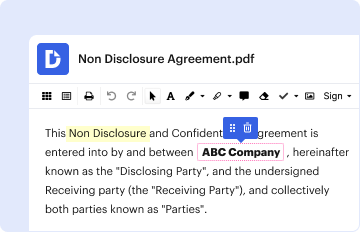
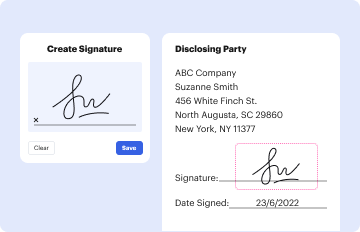
Use the Annotation Tools: If the form requires signatures or additional markup, utilize annotation tools to add digital signatures or comments.
-
Complete Additional Sections: Some forms will have optional or supplementary sections that may need to be filled out based on your circumstances.
-
Submit the Form: After verifying all entries, submit the form online. Ensure you receive confirmation of submission either via email or an on-screen notification to confirm the process is complete.
Why Should You Form Online?
Filling forms online offers numerous advantages, including:
- Efficiency: Online forms reduce the time spent manually filling out documents by allowing instant data entry and submission.
- Accessibility: Forms can be filled out from any device with internet access, providing location flexibility.
- Cost-Effectiveness: Minimize the expenses involved with printing, mailing, or delivering physical documents.
- Environmental Impact: Less reliance on printed paper decreases environmental waste and promotes sustainability.
- Speed of Processing: Online submissions are often processed faster than mail-in forms, leading to quicker responses and outcomes.
Key Elements of the Form Online
Understanding the critical components of an online form is essential for accurate completion:
- Personal Information: Typically includes name, address, contact details, and social security number if applicable.
- Data Entry Fields: Fields might include text boxes for input, dropdowns for selection, and checkboxes for multiple choices.
- Instructions/ Guidelines: Clear guidelines are often provided to assist in accurate form completion.
- Sections/Subsections: Forms may be divided into sections dedicated to specific topics such as financial data, employment history, or eligibility criteria.
- Signature Fields: Digital signature sections are essential for authentication and legal validity.
Legal Use of the Form Online
Legal aspects govern the use of online forms:
- Electronic Signatures: Governed by laws such as the ESIGN Act, ensuring that digital signatures hold the same weight as handwritten ones.
- Compliance: Certain forms must meet specific legal standards, including privacy laws like GDPR or CCPA for data protection.
- Record-Keeping: Online forms create a digital record that can serve as evidence of compliance or agreement.
Examples of Using the Form Online
Real-world applications include:
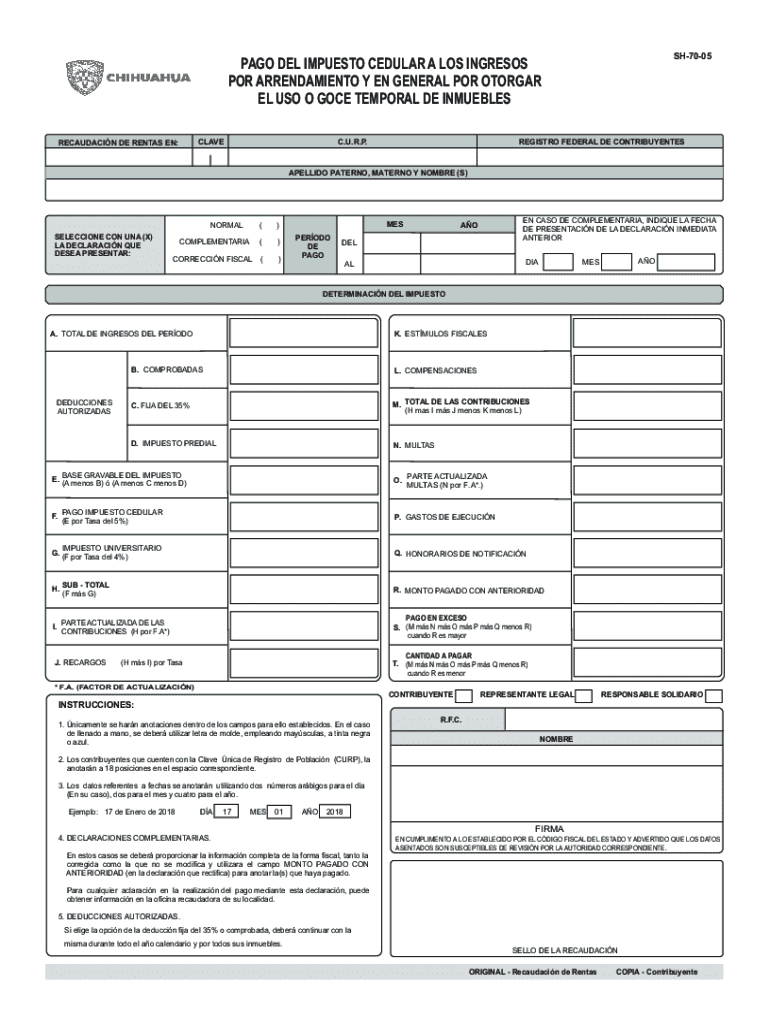
- Tax Filing: Submit tax documents through platforms that offer guided form filling and submission.
- Business Registrations: Utilize online forms for registering business entities, applying for licenses, or filing annual reports.
- Legal Documentation: Complete affidavits, contracts, and other legal documents requiring signatures and approvals.
Required Documents
Dependencies for completing a form online generally include:
- Identification: Driver's license, passport, or social security card.
- Financial Records: Income statements, tax returns, or evidence of expenses.
- Proof of Address: Utility bills or lease agreements to validate residency.
- Supporting Documents: Any additional paperwork specific to the form's requirements (e.g., medical records, employment verification).
Software Compatibility
Online form platforms like DocHub offer compatibility with various software systems:
- Google Workspace: Seamless integration allows direct import and export with Google Drive and Gmail.
- Accounting Software: Compatibility with products such as QuickBooks simplifies financial records management.
- PDF Readers: Most online forms can be opened and edited using PDF readers like Adobe Acrobat.
Digital vs. Paper Version
Comparing digital and paper forms show distinct benefits for digital usage:
- Accessibility: Digital forms can be accessed anytime, anywhere, while paper forms require physical presence and handling.
- Real-Time Editing: Easily revise digital forms without using correction tape or reprinting.
- Secure Submission: Online submissions can have tracking and encryption for secure data handling, whereas paper submissions risk loss or tampering.
Who Typically Uses the Form Online?
A wide range of users benefit from online forms:
- Individuals: Taxpayers, applicants for government services, and job seekers efficiently use online forms to submit personal information.
- Businesses: Corporate entities utilize forms for compliance reporting, expense tracking, and HR processes.
- Legal and Financial Professionals: Streamline document submission and client interactions through online forms.