Definition and Meaning of Exclusive Management Authority
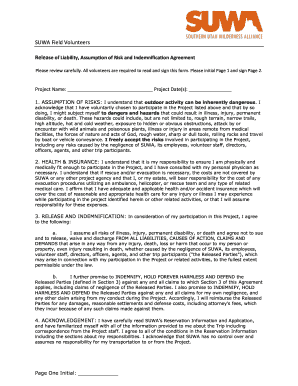
Exclusive management authority refers to the legal power or right granted to one entity, typically a property manager or management company, to oversee and make decisions regarding the management of certain premises. This authority encompasses various responsibilities such as leasing, maintenance, collection of rents, and handling tenant issues. It legally authorizes the manager to perform tasks on behalf of the owner, emphasizing the trust and confidence placed in the manager to act in the owner's best interest. This agreement often outlines specific duties, responsibilities, and limitations to ensure proper governance of the property.
Key Elements of Exclusive Management Authority
Within an exclusive management authority agreement, several critical elements define the scope and limitations of the manager's role.
- Property Details: A precise description of the property being managed, including its location and any significant features, helps both parties identify the subject of management.
- Management Fees: The agreement specifies the fees that the management company will receive for its services, often detailing how these fees are calculated and the schedule for payment.
- Maintenance and Repair Limits: To control expenses, the agreement typically sets a monetary limit up to which the manager can authorize repairs without additional approval from the owner.
- Insurance Obligations: It defines insurance coverages the manager must maintain, protecting both the owner and manager against various risks associated with property management.
- Termination Conditions: Outlining the scenarios under which the agreement may be terminated ensures both parties understand how they can dissolve the partnership if necessary.
Steps to Complete the Exclusive Management Authority Form
Completing an exclusive management authority form involves a series of processes to ensure all necessary information is captured accurately.
- Gather Essential Information: Collect detailed information about the property, owner, and management company. This includes contact details, property identification numbers, and any relevant legal documentation.
- Define Scope of Management: Clearly outline the responsibilities allocated to the management authority, such as tenant negotiations, rent collection, and property upkeep.
- Set Financial Terms: Specify the management fees, payment frequencies, and any financial limitations on spending without prior approval.
- Identify Duration and Renewal Terms: Determine the initial duration of the agreement and any terms regarding renewal or extension.
- Sign and notarize: Both parties should sign the document, often in the presence of a notary, to validate the agreement legally.
Important Terms Related to Exclusive Management Authority
Understanding specific terms related to exclusive management authority can enhance comprehension and application of the agreement.
- Lessor: The property owner who permits management by another party.
- Property Manager: The entity entrusted with the management duties under the authority.
- Leasing Authority: The power to negotiate and enter into lease agreements on behalf of the property owner.
- Maintenance Cap: A predefined limit on expenses for repairs or improvements that the manager can authorize independently.
Who Typically Uses Exclusive Management Authority
Exclusive management authority is predominantly used by property owners who prefer to delegate management responsibilities to a professional entity, often due to lack of time, expertise, or other resources.
Common Users
- Real estate investors: Those with multiple properties may employ a management company to handle day-to-day operations, keeping their focus on investment growth.
- Residential property owners: Homeowners who move away from their property but wish to rent it out often utilize these services for convenience.
- Commercial property owners: Businesses or individuals who own rental spaces require professional management to ensure compliance with commercial leasing laws.


Legal Use of Exclusive Management Authority
The legal framework surrounding exclusive management authority ensures both the property owner and manager are protected and disputes can be resolved efficiently.
Compliance with Laws
- Tenant Rights: Managers must adhere to laws protecting tenants' rights, ensuring fair treatment under the terms of the agreement.
- Fair Housing Laws: Property management must comply with laws that prohibit discrimination in renting and lease agreements.
- Contractual Obligations: Any act of management should remain within the confines of the agreed contract to avoid legal issues.
Important Considerations for Exclusive Management Authority
When engaging in an exclusive management authority arrangement, there are several considerations property owners should evaluate to optimize the agreement’s benefits.
Key Points
- Reputation of Management Company: Investigating the track record of potential management entities can prevent issues related to mismanagement.
- Flexibility Provisions: Including clauses that allow for adjustments in management terms can help adapt to changing property or market needs.
- Communication Protocols: Establishing clear communication channels between the manager and owner can facilitate smooth operations and timely issue resolution.
Examples of Using Exclusive Management Authority
Applying exclusive management authority in real-world scenarios highlights its practical benefits and challenges.
- Large Rental Complex: An investor with a high-volume apartment complex can delegate management duties to oversee tenant relations and maintenance needs efficiently.
- Out-of-State Ownership: Owners residing in different states or countries utilize these agreements to manage properties remotely, entrusting local firms with operational control.
State-Specific Rules for Exclusive Management Authority
Each state has specific guidelines affecting how exclusive management authority is implemented, generally aligning with local real estate and property management laws.
Typical Variations
- Licensing Requirements: Some states require property managers to maintain specific licenses to operate legally.
- Contractual Formality: The required formal documentation, including notarization and registration, varies depending on state regulations.
- Tenant Notification Laws: Different jurisdictions specify how and when tenants should be informed about changes in management.
Understanding these state-specific nuances can significantly impact the effective execution of an exclusive management authority agreement.