Definition and Importance of Facility Planning
Facility planning involves the strategic assessment and forecasting of a community’s current and future infrastructure needs, particularly related to wastewater management. This comprehensive process includes evaluating alternatives for repairing, upgrading, or expanding sewer systems and treatment facilities. Additionally, facility planning considers soil-based treatment options, ensuring environmental compliance and sustainability. The benefits of effective facility planning are manifold, offering a holistic view of infrastructure needs and associated costs, carrying out environmental impact assessments, and documenting public involvement in decision-making. Proper planning ensures communities are equipped to handle growth and can preemptively address potential infrastructure challenges.
Key Elements of Facility Planning
Essential components of facility planning include a comprehensive evaluation of existing systems, identification of necessary improvements, and recommendations for future expansions. The process involves assessing current infrastructure capacities, examining potential upgrades, and planning for long-term growth. This systematic approach guides communities in prioritizing projects, allocating resources efficiently, and ensuring infrastructure serves the population’s needs effectively. Facility planning also includes financial forecasting to estimate the costs of proposed improvements and expansions, which can aid in securing funding and setting realistic timelines.
Steps to Complete a Facility Planning Document
Preparing a facility planning document involves several intricate steps that ensure thorough consideration of all aspects. The process begins with a detailed collection of existing data and information pertinent to the community’s needs. Next, stakeholders collaborate to identify key focus areas, which guide the development of improvement plans. The next step involves conducting comprehensive studies and assessments to evaluate different options for addressing identified needs, considering both cost and impact. An essential step is compiling the findings into a structured document that outlines the recommended solutions, timelines, and financial projections. Finally, gaining approval from governing bodies and the community ensures the plan is aligned with public expectations and legal requirements.
Stakeholders in Facility Planning
Numerous stakeholders participate in the facility planning process, each bringing critical insights and expertise. Typically, local government authorities oversee the planning and implementation process, ensuring compliance with state and federal regulations. Engineers and environmental consultants play pivotal roles by conducting technical assessments and proposing viable solutions. Public input is also vital, as community members often provide valuable feedback based on their experiences and concerns. Engagement with stakeholders such as developers and business owners ensures that the plan aligns with economic growth and development objectives.
State-Specific Considerations in Facility Planning
Facility planning is subject to state-specific regulations, which can impact how projects are developed and approved. While the overarching goals of infrastructure sustainability and environmental protection are consistent nationwide, each state may impose unique requirements regarding permitting and environmental reviews. For instance, states with arid climates might prioritize water conservation in planning efforts, while those in regions prone to flooding might focus on drainage and flood mitigation. Understanding and adhering to state-specific rules is crucial in ensuring the plan's legality and its successful execution.
Comparison of Digital vs. Traditional Paper-Based Planning Methods
The shift from traditional paper-based planning to digital methods has revolutionized the process, increasing efficiency and accessibility. Digital tools facilitate real-time data updates, secure information sharing, and remote collaboration. They simplify the analysis and visualization of complex data sets, aiding in more informed decision-making. Unlike paper methods, digital planning reduces physical storage needs and enhances the ability to track changes and updates. However, transitioning to digital systems requires investments in technology and training, which must be balanced against the operational benefits they provide.
Examples of Facility Planning Outcomes
Case studies from various communities illustrate the tangible benefits of effective facility planning. For instance, a Midwestern city undertook an extensive facility planning process that enabled them to upgrade their sewage treatment facilities, resulting in improved water quality and compliance with environmental standards. In another scenario, a coastal town used facility planning to develop a robust flood prevention system, safeguarding the community from frequent storm surges and water damage. These examples highlight the role of thorough planning in creating resilient, sustainable infrastructure that meets both present and future needs.
Software Tools Supporting Facility Planning
Various software tools are instrumental in modern facility planning, helping streamline and organize complex processes. Programs like AutoCAD and GIS software are commonly used for mapping and spatial analysis, while data management and project management software facilitate collaboration among stakeholders. Additionally, specialized tools that model environmental impact and calculate cost estimates provide precise, data-driven insights that inform crucial planning decisions. The integration of these software tools enhances the accuracy and efficiency of facility planning efforts, ensuring their success in addressing infrastructure needs.
Application and Approval Processes in Facility Planning
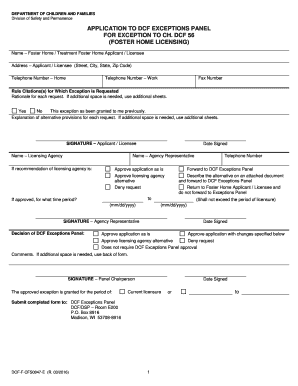
The application for facility planning approval typically involves submitting detailed proposals to relevant regulatory bodies, which review the document to ensure it meets all legal and environmental standards. The approval process might include public hearings and consultations, allowing stakeholders to raise concerns or support specific initiatives. Adequate preparation and a thorough understanding of applicable regulations enhance the likelihood of approval. Engaging with experienced consultants and legal advisors can also be beneficial in navigating the complexities of the approval process, ensuring compliance and optimal outcomes for the community.