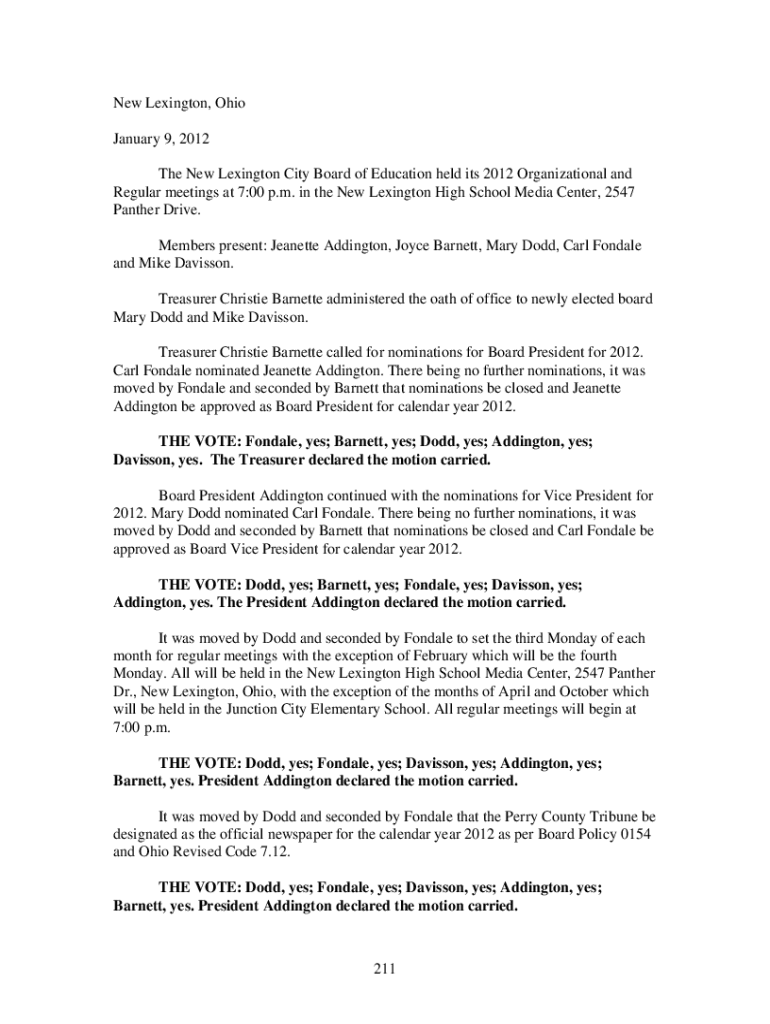







Definition and Meaning
The Pct 121212 by Deb Hutmire is a specialized form whose exact definition and purpose may vary, but it is typically associated with a specific task or requirement within a given field. Understanding its meaning is crucial for individuals or businesses who need to use it in a compliant manner. This form may carry specific statutory or procedural significance, necessitating precise completion to fulfill legal or regulatory obligations.
Purpose and Application
- Serves a particular function within a procedural framework, possibly related to taxation or regulatory compliance.
- Required for compliance in certain administrative or legal processes.
- May act as a record or supporting document in more extensive filings.
How to Use the Pct 121212 by Deb Hutmire
Effectively using the Pct 121212 requires familiarity with its fields and the information it solicits. Users must carefully read the instructions that accompany the form to ensure all sections are completed correctly.
- Identify Required Information: Determine which fields are mandatory.
- Follow Instructions: Adhere to any guidelines provided for specific sections.
- Review for Completeness: Verify that all required fields are accurately filled before submission.
Steps to Complete the Pct 121212 by Deb Hutmire
Proper completion of the form involves a series of steps that should be followed meticulously to ensure validity and compliance:
- Gather Necessary Information: Collect all relevant data and documents.
- Fill Out Personal and Professional Details: Enter contact and identification information.
- Complete Section-Specific Requirements: Provide detailed information as specified for each part.
- Review and Verify Entries: Cross-check for accuracy.
- Submit the Form: Choose an appropriate submission method, such as online, mail, or in-person delivery.
Key Elements of the Pct 121212 by Deb Hutmire
Understanding the main components of this form helps ensure all necessary aspects are covered:
- Identification Fields: Sections for personal or business identifiers.
- Scope of Information: Clearly defined parameters for data input.
- Signature and Date Fields: Important for authentication and timing of submissions.
- Instructions and Guidance Points: Manufacturer-supplied directions ensuring correct completion.
Legal Use of the Pct 121212 by Deb Hutmire
This form must be used within its legal and prescribed context:
- Compliance: Ensures adherence to specific legal criteria or mandates.
- Documentation: Acts as proof of compliance or intent.
- Authorization: Certain scenarios may require additional authorization or signatures from relevant entities.
Who Typically Uses the Pct 121212 by Deb Hutmire
The primary users of this form vary depending on its application but generally include:
- Individuals: Those who need to comply with specific legal or procedural requirements.
- Businesses: Companies needing to adhere to regulatory standards.
- Organizations: Non-profits or government bodies involved in the relevant processes.


State-Specific Rules for the Pct 121212 by Deb Hutmire
Awareness of state-specific variations is crucial for accurate form completion:
- Varying Requirements: Some states may require additional information or documents.
- Specific Instructions: States might provide unique submission procedures or deadlines.
- Legal Implications: Misunderstanding state-specific differences can lead to non-compliance or legal repercussions.
Required Documents
Completing the form accurately often requires supplementary documentation:
- Identification Proof: Copies of personal identification, such as a driver’s license or business ID.
- Supporting Documents: Any additional documents as mandated by the form's requirements.
- Proof of Status or Eligibility: Necessary for certain types of applications or filings.
Digital vs. Paper Version
Navigating between digital and paper versions of the form can impact ease of use and submission efficiency:
- Digital Form: Offers the convenience of electronic filing, easy edits, and reduced error potential.
- Paper Form: May be essential for signature authenticity or where electronic submission isn’t accepted.
- Conversion Options: Some users may need tools to convert a paper form into digital format for submission or record-keeping.
Penalties for Non-Compliance
Failure to comply with form requirements can have several consequences:
- Fines and Late Fees: Monetary penalties may apply for failure to file or incorrect filings.
- Legal Repercussions: Possible legal action or scrutiny for non-compliance.
- Repeating Processes: Incorrectly filed forms often need to be resubmitted, delaying processes and increasing administrative load.