




Definition & Meaning
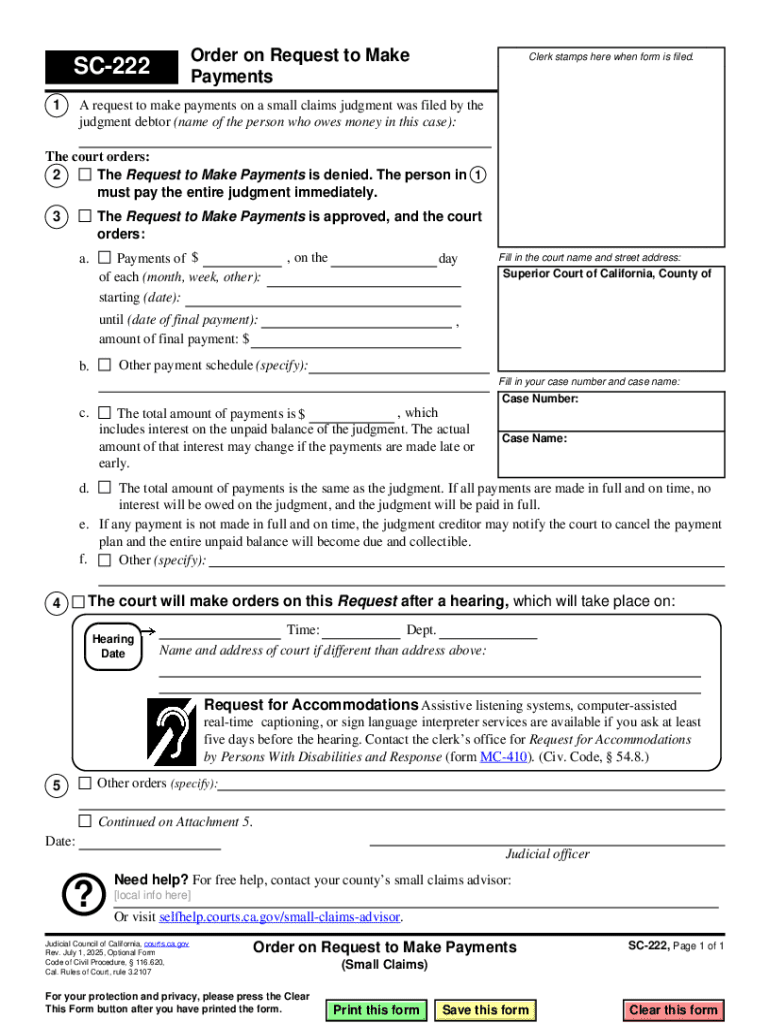
"Form online" refers to digital documents that can be filled out, submitted, or processed over the internet. These forms replicate traditional paper versions but offer enhanced features such as automatic data validation, easier accessibility, and integration capabilities with other digital tools. Unlike paper forms, online forms facilitate swift data collection and processing through platforms like DocHub, enabling users to gather necessary information conveniently and securely.
The transition of forms to an online format reflects the contemporary need for more efficient, eco-friendly processes that reduce the reliance on physical paper and simplify the interaction between individuals and businesses. Online forms are pivotal in scenarios ranging from legal applications and tax filings to everyday administrative tasks.
How to Use the Form Online
Using an online form involves several straightforward steps. First, access the form by visiting the relevant website or receiving it via email. On platforms like DocHub, users can easily open, interact with, and fill out forms directly within the web interface. This feature eliminates the need for downloading additional software, ensuring accessibility from any device with internet connectivity.
The next step is to input the necessary information into the provided fields. Online forms often include guiding text or prompts to ensure complete and correct data entry. DocHub’s platform, for instance, allows users to insert text, checkboxes, drop-down menus, and even signature fields, streamlining the process of data entry and ensuring accuracy.
Steps to Complete the Form Online
- Access the Form: Navigate to the website or platform hosting the form, such as DocHub, and open it using a web browser.
- Review Instructions: Read any instructions or guidelines accompanying the form to understand the requirements fully.
- Fill in Required Information: Enter information into each field as directed, ensuring accuracy and completeness.
- Attach Supporting Documents: If the form requires additional documentation, use the platform to upload necessary files directly.
- Review the Completed Form: Double-check all entered information to rectify any errors or omissions before submission.
- Submit the Form: Once satisfied with the accuracy of the information, submit the form through the platform’s submission feature.
- Receive Confirmation: Platforms like DocHub may provide a confirmation message or email to acknowledge submission.
Key Elements of the Form Online
The structure of an online form typically comprises several key elements to facilitate information collection and submission. These elements include:
- Title and Instructions: At the top, users find a clear title and instructions that outline the form's purpose and any specific submission requirements.
- Fields and Sections: Forms contain various fields such as text boxes, checkboxes, and dropdown menus to cater to different data types. Well-segmented sections organize them, enhancing navigation and clarity.
- Action Buttons: Users will encounter buttons like 'Save,' 'Submit,' 'Reset,' and 'Cancel,’ providing control over form actions.
- Validation and Error Messages: Real-time validation ensures data is entered correctly. Error messages guide users to rectify inaccuracies before form submission.
- Security Features: SSL encryption and options like password protection safeguard sensitive data from unauthorized access during submission.
Creating and Managing Fillable Forms
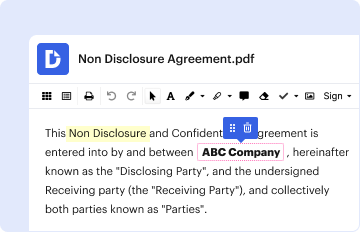
With platforms like DocHub, creating and managing fillable forms is straightforward and efficient. Users can start from scratch or convert existing documents into interactive templates, significantly reducing the time spent on manual data entry. The platform's features allow users to insert fillable fields such as text boxes, checkboxes, and signature areas with ease.
Fillable forms guide the respondents to complete the intended sections accurately. For instance, required fields ensure all necessary data is provided before submission. Field assignments can also be designated to specific individuals when multiple contributors are involved, ensuring an organized data collection process.
Legal Use of the Form Online
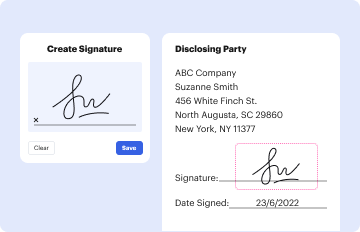
Utilizing forms online is legally recognized and often supported by compliance frameworks such as the ESIGN Act, which governs electronic signatures in the United States. This statutory framework ensures documents signed digitally are as legally binding as those signed on paper, making them suitable for various legal processes, from contracts to tax submissions.
Authentication protocols bolster the legal standing of online forms by verifying signatories' identities, further supporting their use in settings requiring rigorous compliance with legal standards. Platforms like DocHub enhance this by providing audit trails, showing when forms are accessed, modified, or signed.
State-Specific Rules for the Form Online
Certain forms, especially those related to taxes and legal filings, may be subject to state-specific regulations. These distinctions can affect the content of the form, filing deadlines, and submission procedures. It is crucial to align the form’s usage with particular state requirements to ensure compliance.
For instance, while some states may accept electronic submissions, others might necessitate physical copies alongside online filing. Documentation like the state-specific licenses or permits may also be required for state-based submissions, underscoring the importance of understanding and adhering to local rules.
Software Compatibility
Online forms are increasingly designed to integrate seamlessly with various software tools, enhancing their usability. Compatibility with programs like TurboTax or QuickBooks is critical for users seeking to import or export data between systems effortlessly. Platforms that support such integrations, like DocHub, reduce manual data handling, minimizing errors and improving efficiency.
Ensuring compatibility with commonly used tools allows users to leverage existing systems, maximizing the utility of online forms within broader digital infrastructure. Using familiar applications for data manipulation and reporting helps maintain continuity in users' workflows.