





Definition & Meaning
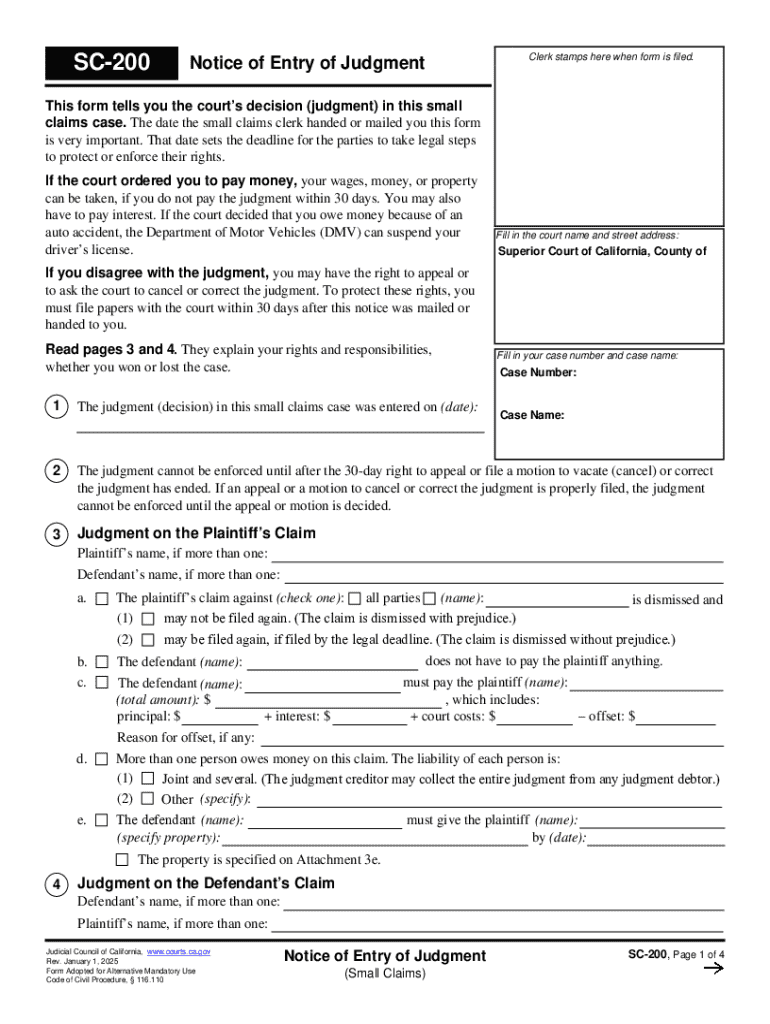
"Form online" refers to digitized versions of traditional paper forms that can be completed, submitted, and managed through internet platforms. These forms streamline a multitude of processes across different sectors by removing the need for physical paperwork. Online forms can be utilized for various purposes, including applications, surveys, registrations, and official documentation submissions. They often include interactive features such as fillable fields, dropdown menus, and electronic signature options, making them more user-friendly and efficient than their paper counterparts.
How to Use the Form Online
To effectively use a form online, individuals should first access the form through a reliable platform, like DocHub, that offers extensive support for various file types. Once accessed, users can fill out the required fields directly via their web browser without needing additional software installations. The process typically involves:
- Opening the form on your device.
- Entering information into text boxes, selecting options from dropdown menus, and checking the appropriate boxes.
- Ensuring all mandatory fields are completed before proceeding to submission.
- Saving the completed form, which can usually be done directly on the platform or sent via email.
Users are often provided with a preview of their inputted information before final submission, allowing for corrections and adjustments as needed.
Steps to Complete the Form Online
Completing a form online involves a series of systematic steps to ensure accuracy and completeness:
- Access the Form: Navigate to the form's URL or open it through an integrated service like Google Workspace.
- Review Instructions: Familiarize yourself with any guidelines or instructions provided at the beginning of the form.
- Input Information: Fill in personal or business information in designated fields, ensuring accuracy.
- Attach Required Documents: If specified, attach or upload necessary supporting documents.
- Review the Form: Carefully check all entries for correctness and completeness.
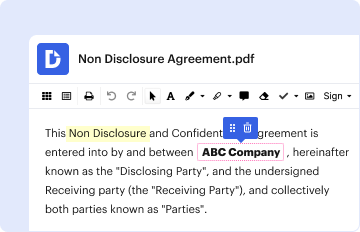
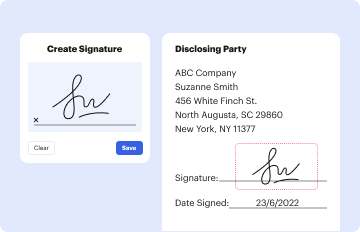
- Add an Electronic Signature: Use available signature tools to sign the document legally and bindingly.
- Submit the Form: Complete the submission by clicking the designated button, often labeled as "Submit" or "Send."
Each step in the process should be followed sequentially to minimize errors and ensure the form is processed smoothly.
Legal Use of the Form Online
Forms that are completed online must comply with specific legal standards to be considered valid and enforceable. For instance, forms used for contracts or agreements need adherence to the ESIGN Act, which establishes the legal equivalence of electronic signatures with traditional handwritten ones. Important legal considerations include:
- Ensuring all parties understand the terms outlined in the form.
- Utilizing secure platforms that provide encryption and authentication to protect user data.
- Following any additional industry-specific regulations, such as HIPAA for healthcare-related forms or GDPR for forms concerning European customers.
Documents need to be stored and handled in compliance with applicable laws to maintain their legitimacy.
Key Elements of the Form Online
An online form typically contains several key elements designed to facilitate efficient data collection and usability:
- Fillable Fields: Text boxes for inputting information like names, dates, and addresses.
- Dropdown Menus: Lists offering predefined choices for certain fields to standardize responses.
- Checkboxes/Radio Buttons: Options to select one or more answers during form completion.
- Signature Field: A section where users can insert an electronic signature to authenticate the form.
- Help or Tooltips: Brief explanations that provide additional guidance for each section or field within the form.
These elements are structured to make the form intuitive and straightforward for users to navigate.
Required Documents
Completing certain forms online may necessitate submitting additional documents for verification purposes, such as:
- Identification Proof: Scans or copies of government-issued IDs like driver's licenses or passports.
- Address Verification: Utility bills or lease agreements to confirm residency details.
- Financial Statements: For forms related to financial transactions or applications, bank statements, or tax returns might be required.
Documents should be uploaded in accepted formats, typically PDF, DOC, or image files like JPEG or PNG, and verified for quality to ensure readability.
Form Submission Methods
Online forms allow for multiple submission methods, enhancing accessibility and convenience:
- Direct Online Submission: Most platforms provide a submission button that instantly sends the form to the required recipient.
- Email or Cloud Sharing: Options to send completed forms via email or integrate with cloud services for easy sharing.
- Download and Print: While not strictly online, several forms can be downloaded, printed, and submitted manually if needed.
By supporting diverse submission options, users can choose the method that best suits their needs and capabilities.
Digital vs. Paper Version
Online forms offer several advantages over traditional paper versions, including:
- Accessibility: Available anytime and anywhere with internet access.
- Efficiency: Faster to complete and submit, with real-time error checking and feedback.
- Sustainability: Reduces paper usage and physical storage requirements.
- Security: With encryption and authentication, data is more secure compared to physical documents.
However, certain circumstances might still require paper forms, particularly in environments without reliable internet connectivity or where electronic processes have not yet been adopted.
Examples of Using the Form Online
Online forms are extensively used in various scenarios, such as:
- Job Applications: Many organizations require candidates to fill out applications online for quick processing.
- Healthcare In-take Forms: Patients fill these forms before appointments to expedite check-in and minimize contact.
- Educational Enrollment: Prospective students complete online forms for admissions or course registrations at schools and universities.
These examples illustrate how online forms facilitate streamlined and efficient processes across different sectors, highlighting their utility and effectiveness.