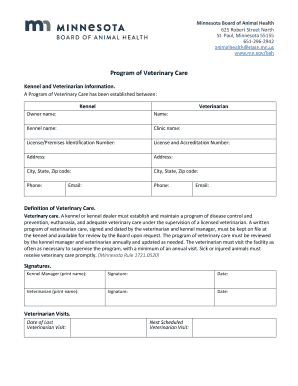
Understanding the "C: Documents and Settings jharlow Local Settings Temp Continuing" Document
The document titled "C: Documents and Settings jharlow Local Settings Temp Continuing" serves a unique purpose within document management systems. While it appears to be a temporary file path typically used in older Windows operating systems, its current application can vary depending on how it's employed in specific software environments. This section explores the typical use cases and meanings attributed to this type of document.
How to Use the "C: Documents and Settings jharlow Local Settings Temp Continuing"
Navigating through the "C: Documents and Settings jharlow Local Settings Temp Continuing" requires understanding its function within a temporary data storage context. Generally, files with such descriptors are employed during intermediate stages of a process, such as installation or temporary storage during document edits.
- Document Editing and Storage: Primarily, these files hold temporary content that isn't meant for permanent storage. For instance, ongoing edits in document software might save interim changes to a file with this pathway.
- Software Deployment: During software installation, this pathway might temporarily host essential configurations needing to be processed before becoming part of the application's main directory.
Key Elements of the "C: Documents and Settings jharlow Local Settings Temp Continuing"
To fully utilize this document type, one must understand its core elements and potential uses. This file format generally aligns with intermediate computational processes.
- File Path Significance: The path indicates the historical structure used in Windows XP and previous versions, appointing specific directories to manage user-specific temporary data.
- Temporary Functionality: Files in this folder usually don't endure beyond the session’s end or after the document is finalized.
Steps to Complete Processes Involving "C: Documents and Settings jharlow Local Settings Temp Continuing"
Engaging with processes lodged in this temporary path involves specific steps aimed at ensuring efficient management and cleaning of temporary data.
- Data Management: Regularly check the folder for leftover data that might persist after software usage or installations and clear it to free up system resources.
- Process Monitoring: While using software that employs temporary paths, monitor file statuses to ensure no critical data is inadvertently housed.
- Finalizing Storage: Always transition important data from these temporary pathways to a permanent storage location once finalized to prevent data loss.
Legal Use and Compliance for "C: Documents and Settings jharlow Local Settings Temp Continuing"
While temporary file folders are inherent to system functions, ensuring data compliance and lawful use is vital.
- Data Protection: Ensure temporary files don't inadvertently retain sensitive information that could breach privacy regulations.
- System Integrity: Engage in regular system checks to validate the auth entity of executing files—important when dealing with legacy systems or software.
Software Compatibility and Digital Considerations
Modern software environments operate differently from the environments for which "C: Documents and Settings" was initially conceptualized, but understanding legacy compatibility is critical.
- Software Integration: For legacy applications, confirm that temporary files are managed correctly within system updates and do not interfere with newer operational standards.
- Digital vs. Paper Management: Document and file handling continues to transition digitally. Thus, understanding the digital footprint and ensuring all temporary transactions align with current tech infrastructures is crucial.
Who Typically Uses the "C: Documents and Settings jharlow Local Settings Temp Continuing"
Generally, this pathway is pivotal for IT professionals managing older network environments or applications maintaining compatibility with older Windows operating systems.
- IT Administrators: They might engage with this document path to troubleshoot system errors or to manage legacy application data.
- Software Developers: When maintaining software meant for older environments, this pathway is crucial for testing and development.


Important Terms and Definitions Related to "C: Documents and Settings jharlow Local Settings Temp Continuing"
Understanding the terminology associated with these files can help optimize their use.
- Temporary File (#.tmp): Files stored temporarily in specified folders, meant for transient processes like installations.
- File Pathing: The structural route indicating where a file is stored, which determines access levels and usage permissions.
Examples of Using "C: Documents and Settings jharlow Local Settings Temp Continuing"
- Example Scenario: A software update for a legacy application might temporarily store configuration attempts to "C: Documents" paths to facilitate efficient transitions and preserve active documents during installation.
- Practical Implementation: In legacy systems management, such a path is routinely monitored to ensure that no sensitive company data remains unnecessarily in temporary storage after operations.
Through comprehensive understanding and diligent management, "C: Documents and Settings jharlow Local Settings Temp Continuing" pathways can be effectively utilized to support system efficiency and data integrity in legacy systems and applications.