






Definition & Purpose of Changes in Retained Earnings
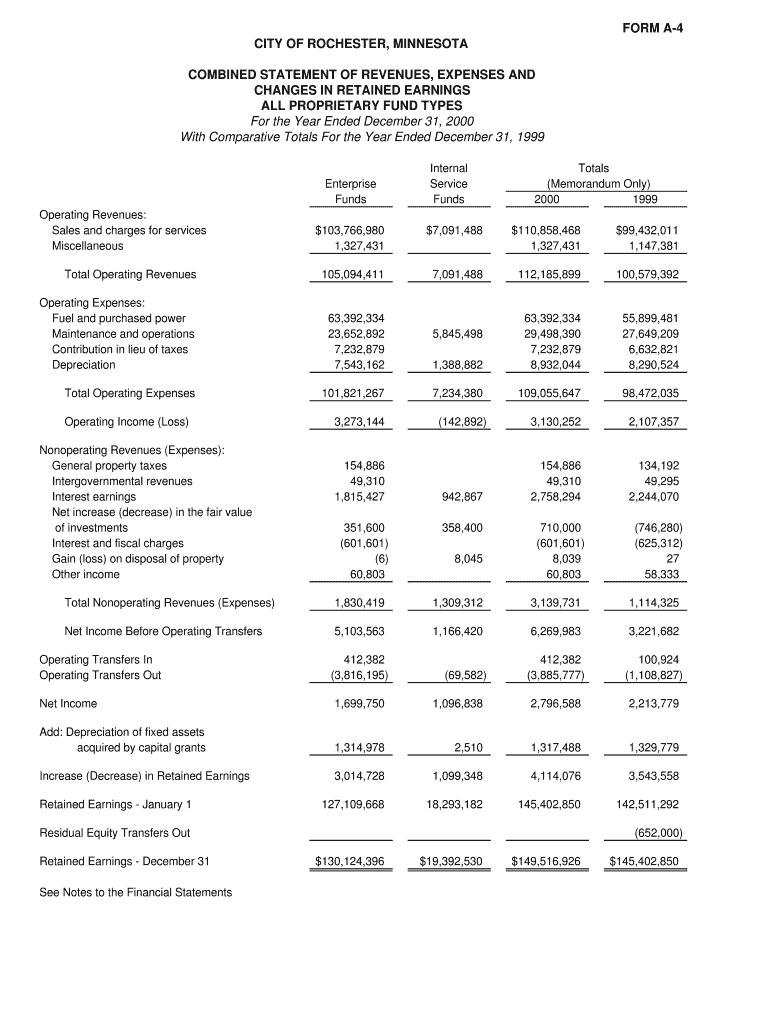
The "Changes in Retained Earnings" statement provides a detailed overview of how a company's retained earnings have evolved over a specific period. Retained earnings represent the cumulative amount of net income that a corporation retains rather than distributing it as dividends. This report is essential for understanding a business’s financial health, demonstrating how profits are reinvested into the business or used to pay off debt, thereby offering insights into growth strategies and fiscal management.
Key Components
- Beginning Retained Earnings: This figure represents the retained earnings carried over from the previous accounting period.
- Net Income or Loss: Reflects the profit or deficit reported for the current period, which directly impacts the retained earnings.
- Dividends Paid: Amounts distributed to shareholders, decreasing the retained earnings.
- Adjustments: Includes corrections of prior period errors or changes in accounting policies.
How to Use the Changes in Retained Earnings Statement
Understanding and analyzing this statement involves evaluating several key financial components to assess a company’s strategic and financial decisions.
Analyzing Statement Items
- Trend Analysis: Observe the changes over multiple periods to identify trends in profitability and dividend policies.
- Investment Decisions: Investors use this statement to gauge how much profit is retained to fund future growth.
- Debt Management: Insights into retained earnings help in understanding how earnings are applied toward debt reduction.
Steps to Complete the Changes in Retained Earnings
A systematic approach is essential for the accurate preparation of this statement, encompassing data collection, calculation, and documentation.
Preparation Steps
- Gather Financial Data: Collect the starting balance of retained earnings, net income or loss, dividend details, and any adjustments.
- Calculate Adjusted Earnings: Add net income or subtract net loss from the beginning retained earnings.
- Account for Dividends and Adjustments: Subtract any dividends paid and apply necessary adjustments.
- Document Closing Balance: Record the ending retained earnings, reflecting all changes made during the period.
Legal Use and Compliance Requirements
Adherence to legal standards and guidelines is crucial in maintaining the integrity and accuracy of the "Changes in Retained Earnings" statement.
Compliance Considerations
- GAAP Standards: Ensure compliance with Generally Accepted Accounting Principles for accuracy and uniformity.
- IRS Alignment: Align your financial reporting with IRS guidelines to ensure approval and avoid disputes.
- Audit Preparedness: Maintain detailed records and supporting documentation for audit readiness.
Important Terminology in the Changes in Retained Earnings Statement
Grasping the intricacies of key terms and concepts is crucial for comprehensively understanding this financial statement.
Definitions
- Retained Earnings: The portion of net income retained by the company for reinvestment or debt payment.
- Dividends: Distributions of profit paid to shareholders, representing a portion of retained earnings.
- Adjustments: Corrections or modifications to previously reported financial statements.
Who Typically Uses the Changes in Retained Earnings Statement
The audience for this statement often includes a range of stakeholders interested in financial performance and strategic decisions.


Primary Users
- Investors: Use this statement to assess profitability and the company’s reinvestment approach.
- Financial Analysts: Evaluate the company’s financial health and future growth potential.
- Corporate Management: Make informed strategic decisions about resource allocation and reinvestment.
State-Specific Rules for Changes in Retained Earnings in Rochester, MN
While financial statements follow standard guidelines, local regulations can introduce additional considerations.
Minnesota Regulations
- Sales and Franchise Taxes: Evaluate how state-specific tax obligations impact retained earnings.
- State Audits: Be prepared for state-level audits, focusing on local compliance.
Examples of Using the Changes in Retained Earnings Statement
Practical scenarios illustrate the application of this financial statement and its implications for decision-making.
Real-World Scenarios
- Growth Strategy: A business using retained earnings to expand operations or acquire new assets.
- Debt Clearance: Prioritizing debt repayment to strengthen the company’s financial foothold.
- Dividend Strategy: Altering dividend policies based on earnings expectations and investment needs.
Filing Deadlines and Important Dates
Timely preparation and submission are key to ensuring compliance and capitalizing on financial insights.
Critical Dates
- End-of-Year Reporting: Ensure the statement is ready for the fiscal year-end report compilation.
- Quarterly Evaluations: Regular updates help in making informed interim financial decisions.
Required Documentation for Preparing Changes in Retained Earnings
Accurate record-keeping is fundamental to the preparation and integrity of the financial statement.
Essential Documents
- Income Statements: Provide data on net income or loss.
- Dividend Records: Detail any distributions made to shareholders.
- Balance Sheets: Facilitate reconciliation with retained earnings accounts.