







Definition & Meaning
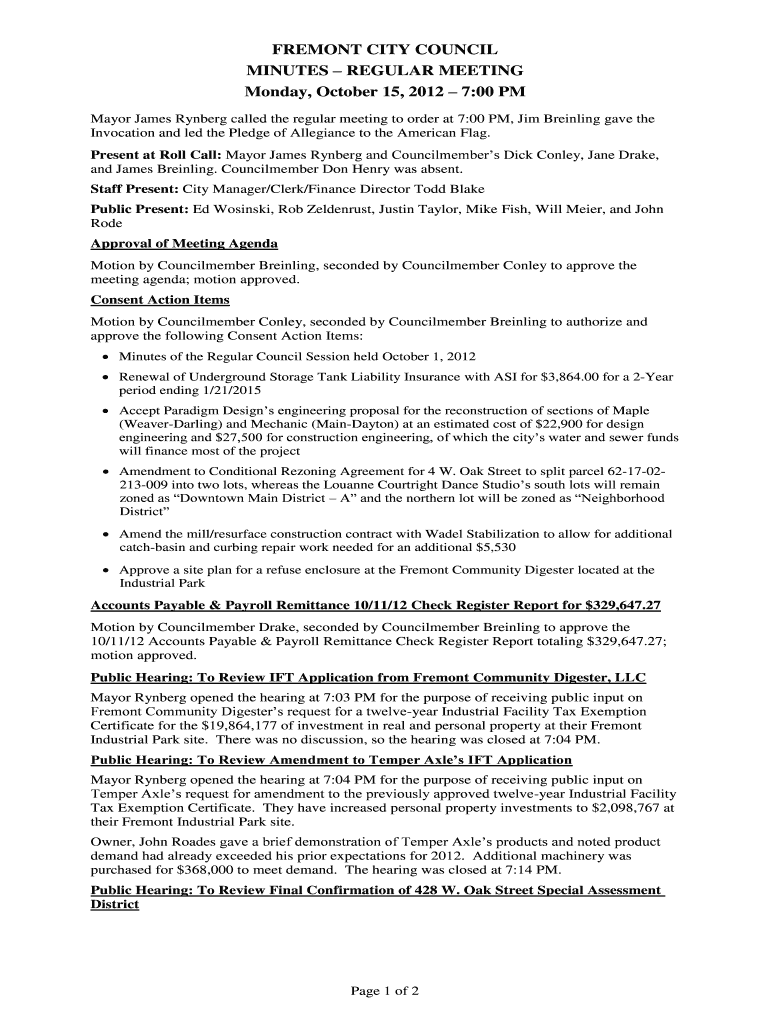
The phrase "Invocation and led the Pledge of Allegiance to the American Flag" typically refers to the ceremonial act performed at the beginning of civic or governmental meetings in the United States. This involves delivering an invocation, often a prayer or blessing intended to set a respectful and solemn tone. Following the invocation, the Pledge of Allegiance to the American Flag is recited, showing loyalty and unity to the nation. This tradition is rooted in fostering a sense of community and respect, especially during formal gatherings.
Components of the Invocation
- Invocation: Usually a short prayer or inspirational message that reflects a solemn tone. It sets the stage for a respectful and focused meeting environment.
- Purpose: The invocation is often designed to invoke a sense of clarity, unity, and purpose among participants.
- Format: While typically religious in nature, invocations can also be secular, focusing on themes like peace, cooperation, and civic responsibility.
Components of the Pledge of Allegiance
- Pledge of Allegiance: A patriotic recitation that expresses allegiance to the flag and the republic for which it stands.
- Historical Significance: First written in 1892, the pledge has been a staple in American ceremonial procedures.
- Text: The pledge is a concise vow intended to affirm one's loyalty to the nation.
How to Use the Invocation and Pledge
Understanding the process and appropriate occasions for invoking and leading the Pledge of Allegiance can enrich the cultural context of formal meetings.
- Determine the Occasion: Best used at public gatherings, school events, city council meetings, or any formal occasions where civic pride and unity are a focus.
- Select an Invoker: Choose someone respected, such as a community leader, cleric, or official to deliver the invocation. This can add gravitas to the event.
- Conduct the Recitation: The pledge is typically led by a designated person, and all attendees are encouraged to join in aloud.
Guidelines for the Invocation
- Ensure that the invocation respects the diverse beliefs of attendees.
- Balance inclusivity with tradition by potentially offering both religious and secular options.
Guidelines for the Pledge
- Participants are generally requested to stand and face the flag.
- Placing the right hand over the heart is customary.
Steps to Complete the Invocation and Pledge
Conducting these ceremonies encompasses several preparatory and procedural steps that ensure a seamless execution.
-
Preparation:
- Confirm the schedule to ensure both segments fit into the agenda.
- Prepare the text and structure for both the invocation and pledge.
-
Execution:
- Announce the beginning of the ceremony and introduce the individual leading the invocation.
- Following the invocation, smoothly transition into leading the Pledge of Allegiance.
-
Follow-up:
- Conclude with a statement that acknowledges the significance of the act.
- Seamlessly transition into the main agenda of the meeting.
Legal Use of the Invocation and Pledge
Conducting the invocation and leading the Pledge of Allegiance are generally upheld under U.S. constitutional laws, balancing tradition with rights.
Constitutional Considerations
- First Amendment: Protects both religious and secular expressions. Public events may include invocations if they do not favor specific religions over others.
- Establishment Clause: While promoting freedom of expression, care is taken not to breach the clause by endorsing specific religious practices at governmental gatherings.
Legal Precedents
- Various court rulings address issues involving invocations and the Pledge of Allegiance, balancing public tradition with individual rights.
State-Specific Rules for the Invocation and Pledge
While the basic elements are consistent, there are variations and specific guidelines that states might follow.
Common Variations
- Differences may exist in the length or content of invocations, reflecting regional sensibilities and demographic composition.
State Guidelines
- Some states might have established protocols or preferences for conducting these ceremonies, especially in educational or governmental environments.
Important Terms Related to the Invocation and Pledge
Understanding associated terminology enhances comprehension and execution.
- Patriotism: National loyalty or pride expressed through formal recitations and ceremonies.
- Ceremony: A formal event conducted with a specific protocol, including the invocation and pledge.
- Public Meeting: Gatherings where civic matters are discussed, often commencing with an invocation and pledge.
Who Typically Uses the Invocation and Pledge
These ceremonial elements are widely used across various groups and settings.


Common Users
- Government Officials: U.S. government meetings often begin with these traditions to honor national ideals.
- Educational Institutions: Schools frequently conduct the pledge as an expression of civic education.
- Community Organizations: Events reflecting civic and patriotic themes may utilize this process to foster community spirit.

Key Elements of the Invocation and Pledge
Recognizing the central components of the invocation and pledge is essential for understanding their roles in American culture.
- Invocation: Sets a respectful tone, can be secular or religious, focuses on unity.
- Pledge of Allegiance: Affirms loyalty and unity under national symbols.
- Respect for Diversity: Balances tradition with inclusivity of diverse beliefs.




