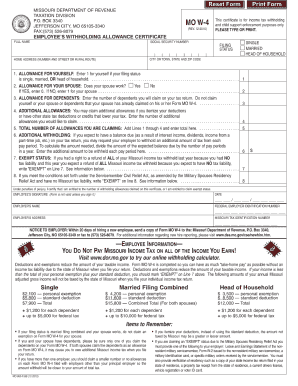
Definition and Meaning
The "Felter, Francis (Brownie) Flanders and John Hess" form is understood to involve specific legal or procedural engagements associated with these individuals or entities. It may relate to agreements, partnerships, or historical records where Felter, Flanders, and Hess play a central role. Understanding its precise purpose hinges on the context—whether it's used for legal documentation, historical archives, or other specific applications. Each instance where this form might be used should be carefully evaluated to ensure that it serves the intended legal or administrative purpose.
How to Use the Felter, Francis (Brownie) Flanders and John Hess Form
Using the form involves several distinct steps tailored to its intended function. Start by identifying the core purpose—whether it's to document an agreement, formalize a business partnership, or serve another specific function. Follow these steps for typical usage:
- Identify the Participants: Clearly list the involved parties, possibly including Felter, Flanders, and Hess.
- Outline the Objectives: Clearly state the aim or function of the form.
- Complete Required Sections: Fill out all sections as required for compliance.
- Review for Accuracy: Verify all information for correctness and completeness.
- Submit Through Appropriate Channels: Depending on the form’s use, submission may be through online platforms, mail, or in-person.
Steps to Complete the Felter, Francis (Brownie) Flanders and John Hess Form
Completing the form requires attention to detail. Follow these general instructions:
- Gather Personal or Business Information: Compile all necessary details related to the involved parties.
- Read Form Instructions Carefully: Each section may have specific requirements.
- Fill Out Each Section Methodically: Pay attention to required fields.
- Attach Supporting Documentation: Include any necessary attachments.
- Review and Double-Check Entries: Prevent errors by thorough review.
- Submit by the Deadline: Ensure timely submission to the relevant office or department.
Who Typically Uses the Felter, Francis (Brownie) Flanders and John Hess Form
The typical users of this form can include individuals or businesses directly related to or impacted by the contributions of Felter, Flanders, and Hess. This may involve:
- Legal Professionals: Using the form for documentation or legal processes.
- Researchers: Accessing historical data linked to the individuals.
- Business Entities: Involving transactions or agreements.
- Government Agencies: Maintaining records pertinent to the individuals.


Key Elements of the Felter, Francis (Brownie) Flanders and John Hess Form
Understanding the form involves recognizing its core components, which typically include:
- Participant Identification: Names and details of the involved parties.
- Objective Statement: Clarification of the form’s purpose or intent.
- Legal Terms: Provisions outlining rights or responsibilities.
- Signatures and Witnesses: Authentication by required parties.
- Supplementary Areas: Sections for additional information or exceptions.
Legal Use of the Felter, Francis (Brownie) Flanders and John Hess Form
Legitimacy in using this form is rooted in its compliance with legal standards. This includes ensuring:
- Adherence to Legal Procedures: Proper documentation and processes.
- Compliance with Local Laws: Meeting state-specific requirements.
- Authenticity: Verification and witness where necessary.
- Preservation of Rights: Protecting the interests of all involved parties.
State-Specific Rules for the Felter, Francis (Brownie) Flanders and John Hess Form
Various states may impose particular rules or guidelines that affect this form:
- Different Jurisdictional Requirements: Depending on local laws.
- Specific Filing Procedures: Vary from state to state.
- Unique Documentation Needs: Certain documents may be required in specific states.
Required Documents
Completing this form necessitates assembling a set of required documents, potentially including:
- Identification Papers: Such as government-issued IDs.
- Proof of Eligibility: Any documentation proving legal standing or eligibility.
- Supportive Legal Documents: Previous agreements, records, or permissions.
- Additional Verification: Any document requested by state or local authorities for compliance.