






Definition and Meaning
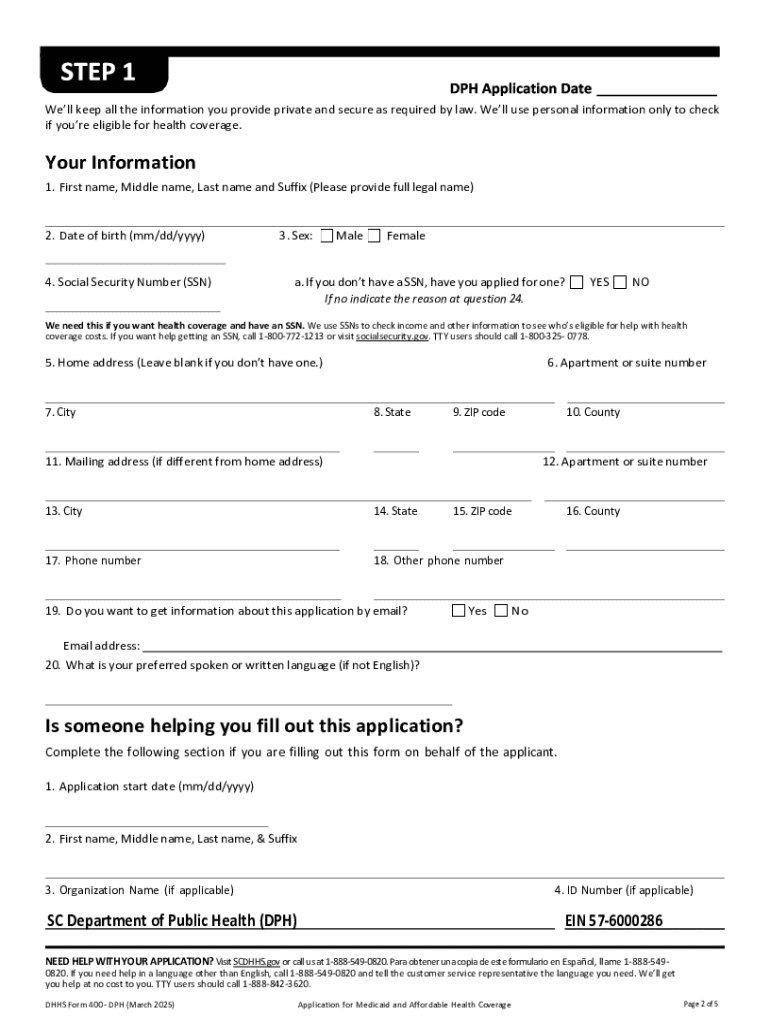
The "Application for Medicaid and Affordable Health Coverage" is a critical document used to apply for government-subsidized healthcare in the United States. The application streamlines access to Medicaid, the Children's Health Insurance Program (CHIP), and coverage through the Health Insurance Marketplace. This form is integral for individuals and families seeking affordable healthcare options under the Affordable Care Act (ACA). By applying, applicants provide necessary information that determines their eligibility for various healthcare programs, ensuring access to essential medical services for those with financial need.
Eligibility Criteria
Understanding who qualifies for Medicaid and affordable health coverage is essential for a successful application. Eligibility is determined by several factors, including income, household size, and state of residence. Generally, individuals with lower incomes, families with children, pregnant women, the elderly, and those with disabilities are priority groups for Medicaid. Each state may have specific criteria, and applicants are encouraged to review their state's guidelines to ensure they meet the required conditions for coverage.
- Income Requirements: Medicaid eligibility is income-based, with thresholds varying by state.
- Family Dynamics: Households with more dependents often have higher income thresholds.
- Pregnancy and Disability: Pregnant women and those with disabilities may receive prioritized consideration.


Required Documents
To complete the application, applicants must furnish several documents that verify their eligibility. Essential documentation includes:
- Proof of income: Recent pay stubs or tax returns.
- Identification: A government-issued ID such as a driver's license or passport.
- Social Security Numbers: For all household members applying for coverage.
- Residency Proof: Documents like utility bills or rental agreements demonstrating state residency.
- Immigration Status: Non-citizens must provide the appropriate documentation to verify lawful presence.
These documents ensure the accurate processing of the application and help verify eligibility criteria such as income and residency.
How to Obtain the Application
Individuals can obtain the "Application for Medicaid and Affordable Health Coverage" through several convenient methods:
- Online: Visit your state's Medicaid website or healthcare.gov for a downloadable version.
- In-Person: Collect a paper form at a local Medicaid office or Health Insurance Marketplace assistance center.
- Phone Request: Call the specified helpline for your state, and request that a form be mailed to you.
Each method is designed to provide easy access to the form, ensuring that applicants can choose the most accessible option based on their circumstances.
Steps to Complete the Application
Completing the application involves several detailed steps to ensure all necessary information is accurately provided:
- Gather Required Documents: Ensure all necessary verification documents are available.
- Fill Personal Information: Input details such as name, address, and social security number.
- Disclose Income and Household Details: Include current employment status and income information.
- Choose Coverage Options: Select the type of coverage sought, such as Medicaid, CHIP, or marketplace insurance.
- Review and Submit: Double-check information for accuracy and choose the preferred submission method.
Following these steps closely minimizes errors and expedites the application process.
Application Process and Approval Time
The application process is structured to evaluate eligibility comprehensively and efficiently. Once submitted, the review period can vary:
- Standard Processing Period: Typically ranges from a few days to several weeks, depending on completeness and verification ease.
- Expedited Review: Available in emergencies or for applicants in urgent medical situations.
Applicants are encouraged to track their application’s progress and promptly address any additional information requests to prevent delays.
Legal Use of the Application
The application serves a strictly regulated purpose, designed for individuals seeking eligible healthcare coverage. It is important to adhere to guidelines strictly:
- Accuracy and Honesty: Providing false information can result in application denial or legal consequences.
- Privacy Considerations: Sensitive data is protected under federal privacy laws, ensuring applicants’ information remains confidential.
Ensuring compliance benefits both the applicant and the integrity of the application process.
Examples of Using the Application
Different scenarios underline how crucial this application is for various demographics:
- A low-income family navigating healthcare needs for their children can access CHIP through this application.
- Senior citizens may utilize it to transition from employer-based coverage to Medicaid.
- Pregnant women seeking prenatal care can secure coverage tailored to their needs.
Understanding these examples helps applicants realize the application’s impact on accessing necessary healthcare services.
State-Specific Rules
Medicaid and CHIP programs are collaboratively run by the state and federal government, meaning each state can have unique rules:
- Coverage Limits: Some states offer broader services and wider income ranges.
- Application Procedures: The steps and required information may vary slightly.
Applicants should refer to their state's specific Medicaid information to ensure alignment with any unique state guidelines that might affect their application.