01. Edit your form online
Type text, add images, blackout confidential details, add comments, highlights and more.

Type text, add images, blackout confidential details, add comments, highlights and more.

Draw your signature, type it, upload its image, or use your mobile device as a signature pad.

Send it via email, link, or fax. You can also download it, export it or print it out.
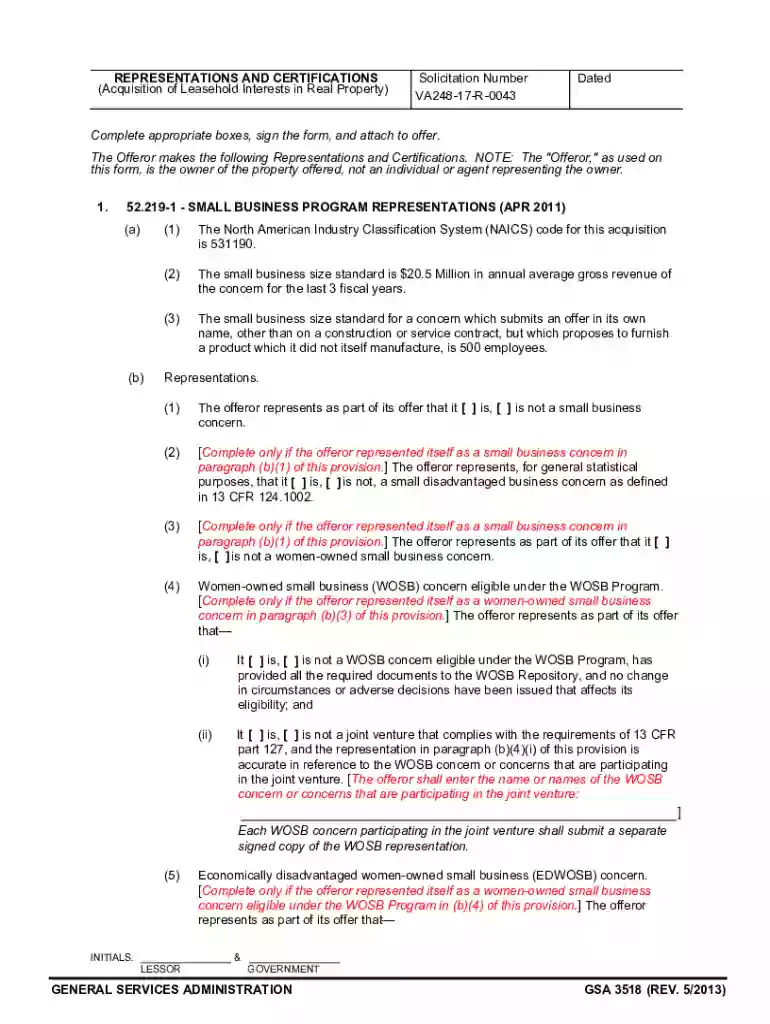
Representations and certifications are formal statements or documents that affirm certain facts or conditions related to a business's practices, such as compliance with federal regulations, business classifications, and eligibility for government contracts. These forms are often required for participating in procurement processes or bidding on contracts, ensuring that businesses accurately declare their status and qualifications. In the context of U.S. government contracting, these documents often contain declarations about small business designations, compliance with tax obligations, and adherence to fair-pricing regulations. Misrepresentation can lead to serious legal repercussions, therefore accuracy is paramount.
Submitting representations and certifications is crucial for businesses looking to secure government contracts. It provides a formal avenue to declare compliance with legal and ethical standards, such as the absence of conflicts of interest, fair-pricing, and adherence to socio-economic program requirements like those for women-owned or veteran-owned businesses. Failing to provide accurate representations can not only disqualify a business from contracting opportunities but can also result in legal action for fraudulent misrepresentation. Accurate declarations are essential to maintain the integrity of the procurement process and ensure a level playing field for all participating businesses.
These forms are primarily used by businesses and organizations looking to secure government contracts or participate in federal procurement processes. This includes corporations, limited liability companies (LLCs), partnerships, and sole proprietorships across a wide array of industries. Companies in sectors such as construction, technology, health services, and defense commonly submit these forms. Government agencies require these documents from vendors to ensure compliance with specific contract terms, regulations, and eligibility criteria. Understanding who uses these forms and how they apply to different entity types is crucial for tailoring the representations and certifications appropriately.
The core components of representations and certifications typically include declarations related to:
Each of these elements serves to establish the business's qualifications and legal standing in the context of government contracting.
Each step ensures that the representations and certifications are accurate, legitimate, and ready for submission.
Legally, representations and certifications serve as binding declarations that the submitting entity meets all necessary criteria and adheres to statutory and regulatory requirements. They are often subjected to audits and reviews by government agencies to verify compliance. If a business is found to have misrepresented facts, it may face legal action, including fines, contract termination, or disqualification from future government contracts. Understanding the legal import of these documents helps businesses ensure they maintain compliance and avoid pitfalls associated with misrepresentation.
Often, businesses will need to present supporting documentation that verifies the declarations made in their representations and certifications. This can include:
These documents substantiate the claims made and provide assurances to contracting agencies regarding the legitimacy of the declarations.
When preparing representations and certifications, utilizing compatible software can streamline the process. Tools like DocHub provide features for editing, signing, and managing such documents electronically, offering seamless integration with platforms like Google Workspace. Additionally, accounting software like QuickBooks or tax preparation tools such as TurboTax may help organize financial records that support tax compliance claims. Leveraging technology simplifies the gathering of necessary documentation and ensures preparedness for submission, minimizing the risk of errors and omissions.
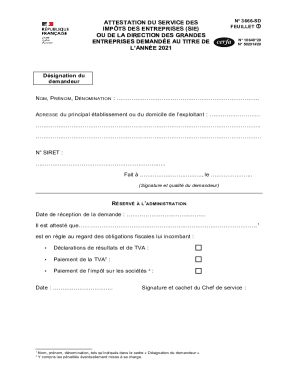
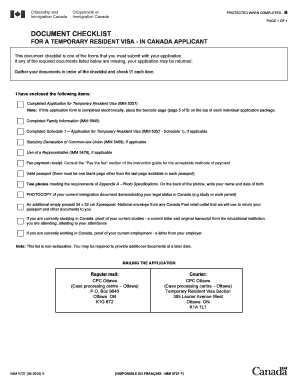
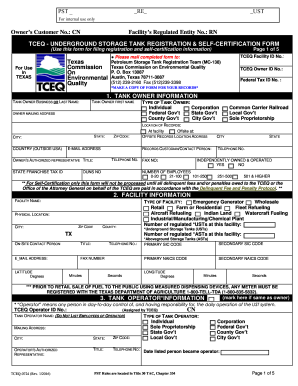
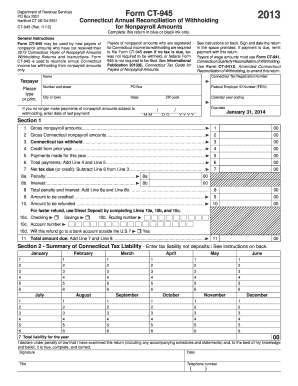
We've got more versions of the Representations and Certifications form. Select the right Representations and Certifications version from the list and start editing it straight away!
At DocHub, your data security is our priority. We follow HIPAA, SOC2, GDPR, and other standards, so you can work on your documents with confidence.