






Definition & Meaning
The "Laboratory Test Directory" by the Alaska Department of Health serves as a comprehensive resource outlining available laboratory services and tests. It includes detailed descriptions of each test, the purpose they serve, and the methodologies employed. This directory is pivotal for healthcare providers, laboratories, and individuals seeking to understand available diagnostic services within the state's public health framework. By detailing test availability, eligibility, and sample requirements, it ensures that the right diagnostic procedures are followed for accurate health assessments.
Key Aspects of the Directory
- Test Details: Provides in-depth descriptions, including clinical purposes and specimen types.
- Methodologies: Lists standard and advanced techniques used for each test.
- Eligibility: Defines who can access specific tests based on criteria such as symptoms or risk factors.
- Sample Requirements: Specifies the types of specimens needed for different tests.
How to Use the Laboratory Test Directory
Navigating the Alaska Department of Health's Laboratory Test Directory involves understanding the layout and organization of the information presented. Users should first identify the purpose of their search—whether it's locating a specific test, understanding procedural requirements, or checking eligibility criteria.
Step-by-Step Instructions
- Access the Directory: Available on the Alaska Department of Health's official website or in physical format at related health offices.
- Locate Tests: Use search features or index listings to find specific tests by name or category.
- Review Details: Click on or open the relevant section to review test indications, methodologies, and specimen needs.
- Confirm Eligibility: Verify any eligibility constraints, ensuring that the intended test aligns with patient profiles or clinical scenarios.
Practical Scenarios
- Healthcare Providers: Use the directory to determine which tests to order for specific patient presentations.
- Laboratories: Reference testing procedures to maintain compliance with state health standards.
Steps to Complete the Laboratory Test Directory
Completing the Laboratory Test Directory requires thorough understanding and accurate documentation. This process involves providing all necessary information to facilitate a seamless diagnostic workflow.
Steps in the Completion Process
- Gather Patient Information: Include personal details and medical history relevant to the test.
- Select Appropriate Tests: Utilize the directory to decide on necessary tests based on symptoms and preliminary diagnoses.
- Ensure Specimen Collection: Follow prescribed methods for collecting and preserving samples as per test requirements.
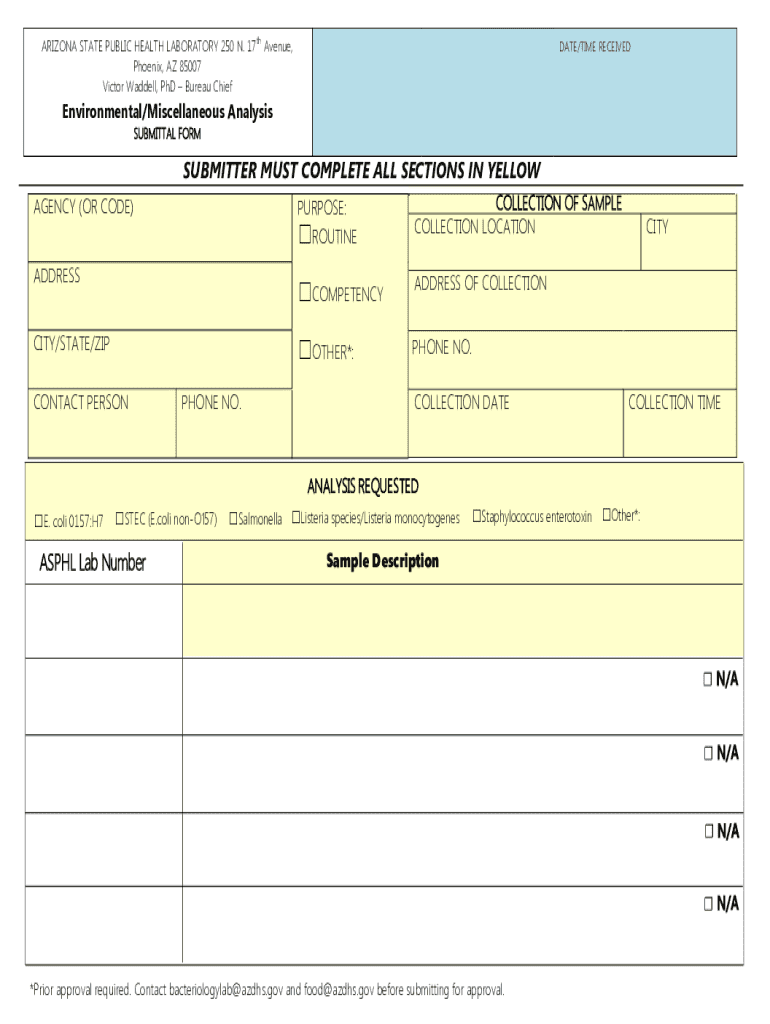
- Documentation and Submission: Properly document and submit requisition forms, ensuring they align with lab requirements.
Variations and Considerations
- Complex Cases: May require additional consults with specialists listed within the directory for advanced testing.
- Document Formats: Use electronic or paper forms, but always ensure compliance with privacy and data protection standards.
Key Elements of the Laboratory Test Directory
The Laboratory Test Directory encompasses several core elements critical to its utility and efficiency. Understanding each component aids users in effectively utilizing the resource.
Core Components
- Test Listings: Alphabetically or categorically organized for easy reference.
- Procedural Guidelines: Step-by-step instructions for laboratory processes, maintaining accuracy and safety.
- Contact Information: Essential for clarifying doubts or handling complex inquiries.
Detailed Subsections
- Special Instructions: Outlines unique procedures or precautions for specific tests.
- Turnaround Times: Provides expected timeframes for test results delivery, allowing for better patient management.
Important Terms Related to Laboratory Test Directory
Familiarity with specific terminology is essential when navigating the Laboratory Test Directory, ensuring clarity and proper usage of the resource.
Common Terms Explained
- Specimen Type: The kind of biological sample required, such as blood, urine, or saliva.
- Reference Range: Standardized values used to interpret test results, indicating normal or abnormal states.
- Accession Number: Unique identifier assigned to a test or specimen for tracking purposes.
Usage Examples
- Specimen Collection: Understanding the differences in handling between plasma and serum specimens can impact test outcomes and interpretations.
State-Specific Rules for the Laboratory Test Directory
The adoption and implementation of laboratory tests can vary slightly based on jurisdictional guidelines defined by state law.
Alaska-Specific Considerations
- Regulatory Compliance: Tests must adhere to Alaskan health regulations and standards, which might differ from federal guidelines.
- Disclosure Requirements: Specific tests may necessitate patient consent or notification of results per state mandates.
Practical Implications
- Healthcare Providers: Must stay abreast with state-specific rules to ensure compliance and accuracy in testing procedures and protocols.
Examples of Using the Laboratory Test Directory
Understanding practical applications and examples provides clarity on the utility of the Laboratory Test Directory.
Real-World Cases
- Routine Screenings: Providers may use the directory to identify standard screening tests for chronic diseases such as diabetes or hypertension.
- Outbreak Investigation: In the event of infectious disease outbreaks, the directory supports coordination for targeted testing strategies and public health reporting.
Case Studies
- Case Study on Lab Turnaround: Examines how streamlining test selection and submission correlates with improved clinical outcomes and resource allocation.
Form Submission Methods
Submitting forms associated with laboratory tests can be completed through various methods, streamlining the process based on user needs and technological capability.
Methods Available
- Online Submissions: Use of electronic health platforms for submitting forms directly to associated laboratories.
- Mail: Physical mail submissions, useful in areas with limited internet connectivity or for redundancy purposes.
- In-Person: Direct submission at health department offices or associated laboratories.
Considerations and Tips
- Eligibility: Ensure correct identification and patient information is on each form, whether electronic or paper-based, to prevent delays in processing.
- Digital vs. Paper: Electronic submissions generally offer quicker turnaround and automatic acknowledgment notifications, an advantage over traditional methods.