






Definition & Meaning
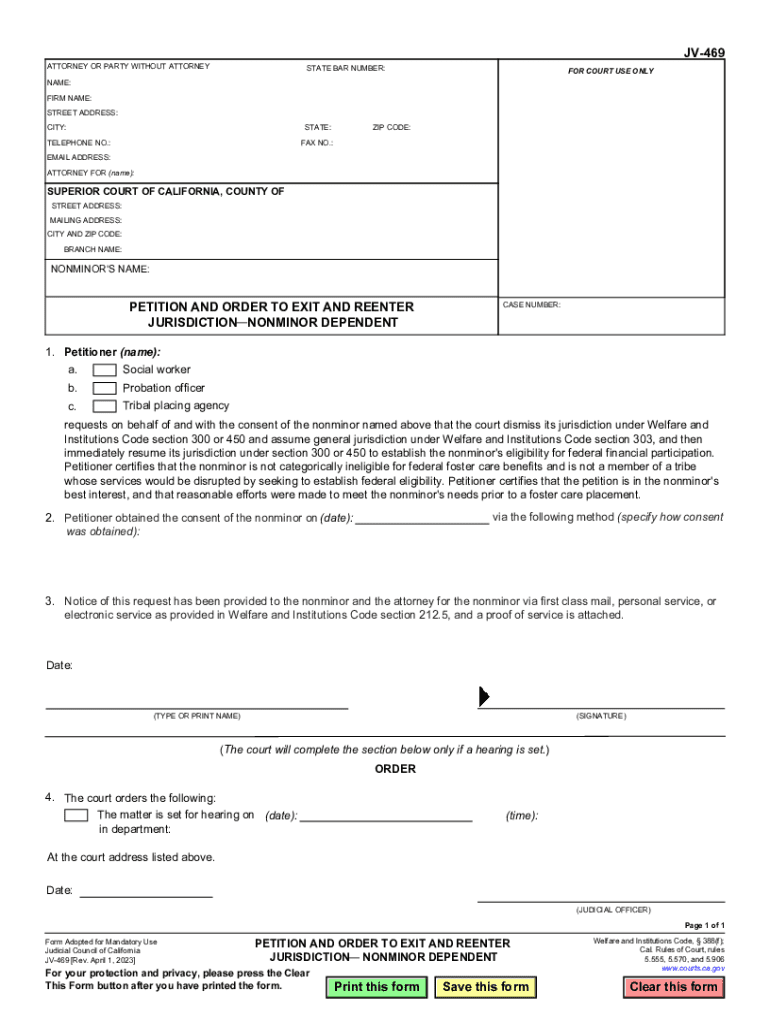
The FL-307 Order on Request to Continue Hearing is a legal form utilized within the family law context in the state of California. This form is integral to the process of requesting a change in the scheduled date of a court hearing. Typically, it is used when a party involved in a case requires additional time for preparation or due to unforeseen circumstances that prevent attendance at the originally scheduled hearing. The form ensures that requests for rescheduling are formalized and approved by the court, maintaining the integrity and efficiency of legal proceedings.
Core Purpose
- Rescheduling Hearings: Specifically designed for requesting a new date for a court hearing.
- Formal Request: Provides a structured approach to seek the court's permission for a change in schedule.
- Legal Documentation: Acts as an official record of the request for future reference.
How to Use the FL-307 Order on Request to Continue Hearing
To effectively use the FL-307 form, the process involves several critical steps, ensuring that all necessary information is accurately presented.
Step-by-Step Guide
- Identify the Need: Establish the necessity for rescheduling the hearing, such as conflict of dates or requirement of additional preparation time.
- Complete the Form: Fill out the FL-307 with accurate details, including the case number, names of parties involved, original hearing date, and the proposed new date.
- Provide Justification: Clearly articulate the reasons for the request to continue the hearing. This section is crucial as it influences the court’s decision.
- Submit the Form: Deliver the completed form to the appropriate legal entity, ensuring adherence to submission guidelines such as timelines and required signatures.
- Await Response: Monitor communication from the court regarding approval or denial of the request, and prepare for the new hearing date if the request is approved.
Steps to Complete the FL-307 Order on Request to Continue Hearing
Accurate completion of the FL-307 form is essential to ensure it is processed correctly by the court.
Detailed Instructions
- Header Information: Fill in the court name, address, and assigned court department.
- Case Details: Include the case number and the names of all parties involved in the hearing.
- Request Details: Clearly indicate the request to continue the hearing, including original and proposed new dates.
- Reasons for Request: Provide a detailed explanation justifying the need for a continuance.
- Signatures: Ensure all necessary parties sign the document before submission. This includes attorneys if applicable.
Key Elements of the FL-307 Order on Request to Continue Hearing
The form comprises several components, each of which must be meticulously completed to ensure consideration by the court.
Essential Sections
- Case Information: Identifies the case and involved parties.
- Continuation Request: Details why the hearing should be rescheduled.
- Supportive Evidence: May include attachments that substantiate the request.
- Signatories: Verification by involved parties and, when applicable, their legal representatives.
Legal Use of the FL-307 Order on Request to Continue Hearing
The use of this form is bound by specific legal guidelines and is relevant under particular circumstances in family law cases.
Legal Framework
- California Family Law: Used within the context of family-related legal matters such as custody or divorce proceedings.
- Court Approval: Submission does not guarantee a new hearing date; subject to court approval based on provided justification.
- Document Retention: It should be retained as part of the case documentation for record-keeping and future reference.
Who Typically Uses the FL-307 Order on Request to Continue Hearing
Identifying the typical users of the FL-307 form helps in understanding its application and relevance.


Common Users
- Attorneys: Legal representatives filing on behalf of their clients.
- Individuals: Parties to a case, such as applicants in family law matters, representing themselves.
- Court Officials: Responsible for reviewing and either approving or denying the request.

Examples of Using the FL-307 Order on Request to Continue Hearing
To contextualize the application of the FL-307, consider these scenarios.
Practical Scenarios
- Conflict of Schedule: A party realizes a significant scheduling conflict with the hearing date that precludes attendance.
- Need for Additional Preparation: Additional time is required to prepare critical documents or gather necessary witnesses for the hearing.
- Sudden Emergencies: Situations such as illness or unforeseen work-related obligations necessitate rescheduling.
Required Documents
Filing the FL-307 may necessitate accompanying documentation to support the request.
Supporting Documentation
- Affidavits: Sworn statements that reinforce the justification for a continuance.
- Medical Records: Proof of illness if health issues are the basis for the request.
- Employment Verification: Documentation from an employer if work obligations interfere with attendance at the scheduled hearing.
Form Submission Methods
Understanding the acceptable submission methods is crucial for ensuring timely and correct filing.
Options Available
- Online Submission: Submission through official court portals where available, offering convenience and time efficiency.
- Mail: Traditional method involving physical delivery of the form to the court’s address.
- In-person: Direct delivery to the court, ensuring immediate receipt and addressing any submission queries on the spot.