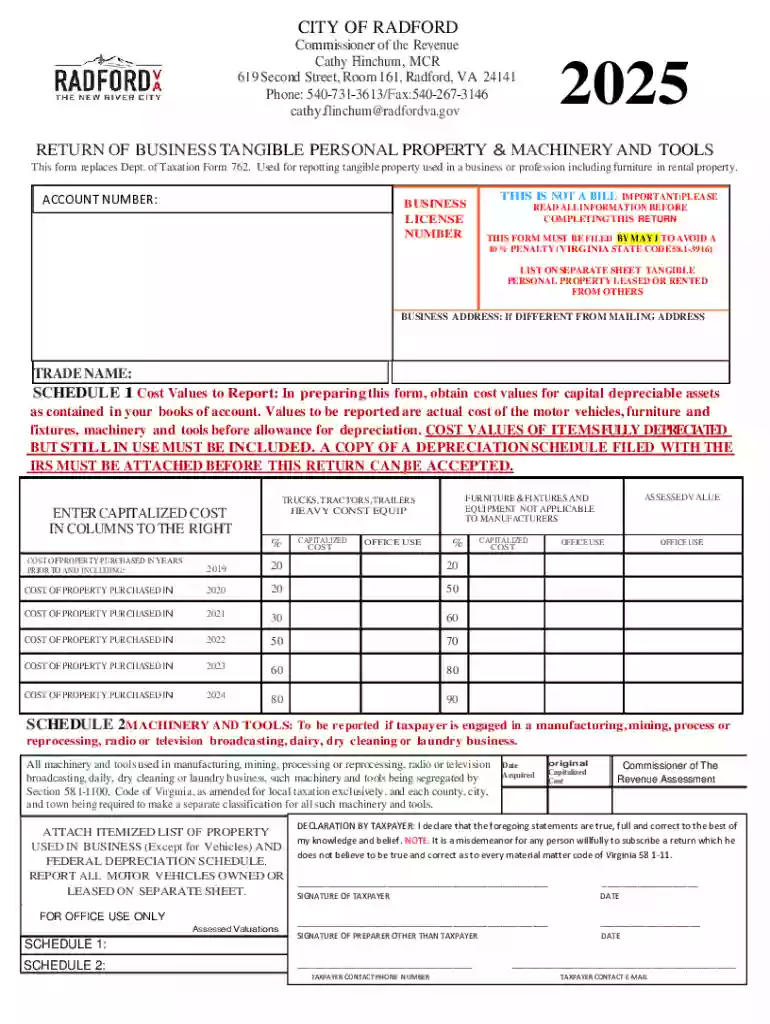
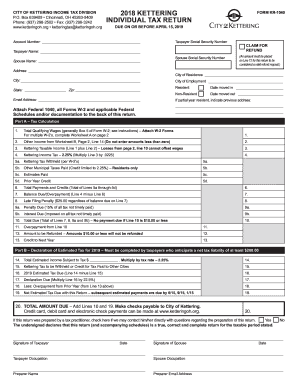
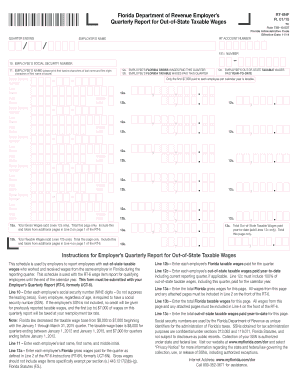
Return of Business Tangible Personal Property and Machinery and Tools 2026

Get Form
Return of Business Tangible Personal Property and Machinery and Tools Preview on Page 1

Here's how it works

01. Edit your form online
Type text, add images, blackout confidential details, add comments, highlights and more.

02. Sign it in a few clicks
Draw your signature, type it, upload its image, or use your mobile device as a signature pad.

03. Share your form with others
Send it via email, link, or fax. You can also download it, export it or print it out.

Definition and Meaning

The Return of Business Tangible Personal Property and Machinery and Tools form serves as a critical tool for businesses to report tangible personal property used in their operations. It ensures that all business-owned physical assets such as equipment, furniture, and fixtures, as well as machinery and tools, are properly accounted for taxation purposes. Despite its detailed nature, the form's role is straightforward: to identify and calculate the tax liabilities associated with business-owned tangible property. By understanding the importance of this form, businesses can maintain compliance with local tax regulations and avoid penalties.

Examples of Tangible Personal Property

  • Furniture: Desks, chairs, and shelving used in the office.
  • Office Equipment: Computers, printers, and copiers.
  • Machinery: Manufacturing equipment and tools utilized in production.
  • Store Fixtures: Display racks and counters in retail settings.

Each of these types of property needs to be assessed in terms of its value as of the taxing date to ensure accurate tax reporting.

How to Use the Return of Business Tangible Personal Property and Machinery and Tools

Utilizing the form effectively involves a series of methodical steps. Businesses must first gather comprehensive records of all tangible personal property and tools. This data often includes the cost, acquisition date, and any depreciation applicable to each item.

  1. Compile Asset List: Begin by listing all relevant business assets.
  2. Determine Asset Values: Assess the current value of each item, accounting for depreciation.
  3. Complete the Form Sections: Fill out each part of the form with the collected data, ensuring accuracy and completeness.
  4. Review for Consistency: Double-check entries to match your internal records.

Steps to Complete the Return

Filling out the Return of Business Tangible Personal Property and Machinery and Tools form requires accuracy and diligence. Here’s a structured approach:

  1. Gather Documentation: Collect invoices, purchase receipts, and depreciation schedules for each item.
  2. Fill in Business Information: Include business name, address, and tax identification number.
  3. List Properties: Enter details of each asset including description, original cost, and depreciated value.
  4. Calculate Total Values: Sum the values of all listed properties to determine the total tangible property value.
  5. Verification and Sign-off: Ensure all data is correct and duly authorize the form with a signature.
  6. Submit by Deadline: File the form by the required date to avoid penalties.

Completion Tips

  • Carefully check property classifications to ensure they align with jurisdiction-specific rules.
  • Utilize accounting software integration to streamline data transfer where possible.

Required Documents

When preparing the return, businesses need a variety of documents to substantiate the values declared:

  • Depreciation Schedules: Outlining how assets have depreciated over time.
  • Purchase Invoices: Providing proof of purchase price and acquisition date.
  • Asset Inventories: Detailing all items included in the return.
  • Tax Identification Documents: Verifying business identity and tax status.

Importance of Proper Documentation

Proper documentation ensures that the return is complete and truthful, facilitating smoother audits and verifications by tax authorities. Keeping these records organized and updated is beneficial for annual filings and potential inquiries.

Legal Use of the Form

The legal necessity for the Return of Business Tangible Personal Property and Machinery and Tools form arises from state and local taxation requirements. Filing the form ensures businesses comply with jurisdictions that tax tangible personal property. Each filed return must adhere to state-specific guidelines and accurately reflect the property's value for tax assessment.

  • Avoiding Legal Issues: Submitting an accurate and thorough return helps ward off potential audits and legal complications.

Filing Deadlines / Important Dates

Meeting the stipulated filing deadlines is crucial to avoid penalties. Typically:

  • Standard Deadline: May 1 is a common deadline, but it can vary by state or city. Businesses should verify with the local tax authority to confirm specific dates.
  • Extensions: Some jurisdictions may offer filing extensions; it's essential to request them in advance if needed.

Consequences of Missing the Deadline

Failure to file by the deadline can result in fines or penalties, which might increase over time. Timely submissions are essential to avoid these consequences.

Penalties for Non-Compliance

Neglecting to file the return, or filing it inaccurately, can bring about several consequences:

  • Monetary Fines: Fixed or percentage-based penalties on the unpaid tax.
  • Interest on Late Payments: Accumulating interest charges on delinquent amounts.
  • Administrative Sanctions: Possible revocation of business licenses in extreme cases.

Reducing Penalty Risks

  • Stay informed of all updates to filing requirements specific to your jurisdiction.
  • Regularly audit internal asset tracking systems to ensure consistency with tax filings.

Business Types that Benefit Most

Certain business types significantly benefit from being diligent with this form, including:

  • Manufacturing Firms: With extensive machinery and tools subject to property tax.
  • Retail Businesses: Often managing diverse store assets and fixtures.
  • Service Providers: Which may use high-value office equipment and specialized tools.

Understanding the diverse impact and necessity of the Return of Business Tangible Personal Property and Machinery and Tools form helps businesses maintain compliance and efficiency across operations.

be ready to get more

Complete this form in 5 minutes or less

Get form

Got questions?

We have answers to the most popular questions from our customers. If you can't find an answer to your question, please contact us.
Contact us
Anyone owning tangible personal property on January 1 must file a tax return by April 1 each year unless you were notified by our office that the filing requirement has been waived. Every new business owning tangible personal property on January 1 must file an initial tax return.
Tangible personal property exists physically (i.e., you can touch it) and can be used or consumed. Clothing, vehicles, jewelry, and business equipment are examples of tangible personal property.
Entities owning or controlling business or investment property, with assets exceeding $25,000.00, must file a tangible personal property tax return, annually by April 1st, as required by Florida Statutes (Chapter 193).
Business personal property is all property owned or leased by a business except real property.
Anyone in possession of assets on January 1 who has either a proprietorship, partnership, corporation or is a self-employed agent or contractor must file each year. Property owners who lease, lend or rent property must also file.

Security and compliance

At DocHub, your data security is our priority. We follow HIPAA, SOC2, GDPR, and other standards, so you can work on your documents with confidence.
Learn more
ccpa2
pci-dss
gdpr-compliance
hipaa
soc-compliance

People also ask

Property Tax Exemptions and Additional Benefits Further benefits are available to property owners with disabilities, senior citizens, veterans and active duty military service members, disabled first responders, and properties with specialized uses.
The Code of Virginia 58.1-3507 provides that Machinery and Tools (MT) are limited to property used directly in manufacturing, mining, water well drilling, processing or reprocessing, radio or television broadcasting, dairy, and dry cleaning or laundry businesses.
Tangible Personal Property (TPP) consists of all goods, chattels and other articles of value capable of manual possession, whose chief value is intrinsic to the article itself. Inventory for sale and household goods held for comfort are expressly excluded from this definition.

Related links