Notary Public FeesDepartment of State 2026

Get Form
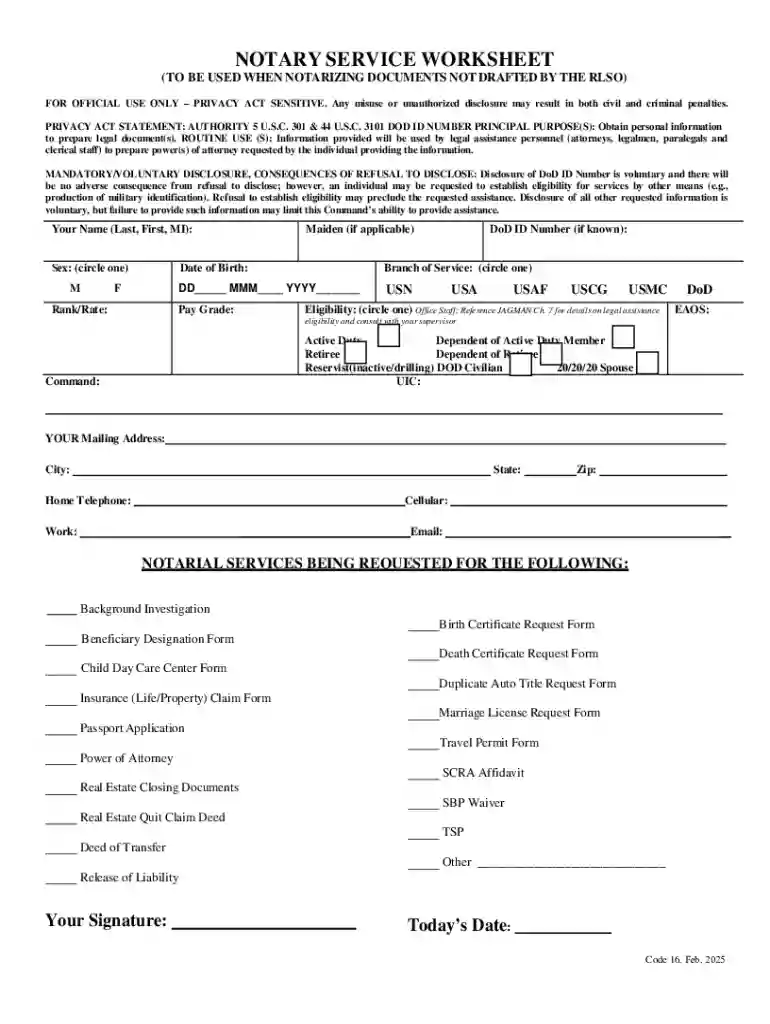
Notary Public FeesDepartment of State Preview on Page 1

Here's how it works

01. Edit your form online
Type text, add images, blackout confidential details, add comments, highlights and more.

02. Sign it in a few clicks
Draw your signature, type it, upload its image, or use your mobile device as a signature pad.
03. Share your form with others
Send it via email, link, or fax. You can also download it, export it or print it out.

Definition & Meaning

The "Notary Public FeesDepartment of State" refers to the schedule of charges and regulations established by state authorities governing the fees a notary public may collect for services performed. This term encapsulates the financial and procedural guidelines that notaries must adhere to when providing notarial services, such as witnessing signatures, administering oaths, and authenticating documents. It signifies the official parameters set forth by a state's Department of State or equivalent administrative body, detailing the permissible fees for various notarial acts.

Key Elements of the Notary Public FeesDepartment of State

The core components of the "Notary Public FeesDepartment of State" include the following elements:

  • Fee Structure: A detailed list of maximum charges allowed for each type of notarial act, such as acknowledgments, jurats, and depositions.
  • Regulatory Compliance: Guidelines that ensure notaries collect fees within the legal limits set by state regulation, preventing overcharging or exploitation.
  • Service Definitions: Clarification of the different notary services covered under the schedule, ensuring both notaries and clients understand the scope of services offered.
  • Special Conditions: Circumstances under which fees may be waived, such as for military personnel or indigent individuals, as established by state law.
  • Updates and Amendments: Description of procedures for state authorities to announce changes to the fee schedule, ensuring that practices remain current and enforceable.

Legal Use of the Notary Public FeesDepartment of State

The legal application of the "Notary Public FeesDepartment of State" schedule is foundational for notary operations within a state. This includes:

  • Authorized Collection: Notaries must adhere to stipulated fees, collecting only amounts sanctioned by state authorities.
  • Document Integrity: Ensures consistency and legal validity across notarized documents by confirming that all procedures are executed according to state law.
  • Consumer Protection: Designed to shield the public from predatory practices by setting clear, enforceable fee limits.
  • Verification: Provides a framework for auditing and verifying the practices of notaries to detect and address any discrepancies in fee collection.

How to Obtain the Notary Public FeesDepartment of State

To access the fee schedule, individuals can:

  1. Visit the Official Website: Access the Department of State's website or equivalent governmental portal for downloadable resources.
  2. Request In-Person: Visit state offices where hard copies might be available for public use.
  3. Contact via Mail or Phone: Reach out to the Department of State to request a copy by mail or inquire about the details over the phone.
  4. Official Publications: Some states may publish these schedules in legal newsletters or bulletins accessible through public libraries or local legal associations.

These methods ensure broad accessibility to individuals seeking information on notary service fees.

Steps to Complete the Notary Public FeesDepartment of State

Completing transactions in alignment with the "Notary Public FeesDepartment of State" involves several steps:

  1. Prepare the Document: Ensure the document to be notarized is complete and ready for review.
  2. Identify Valid Fees: Reference the official fee schedule to determine permissible charges for the desired notarial act.
  3. Document the Transaction: Record the details of the notarial act, including names of parties involved, type of service, and the fee collected.
  4. Provide Receipt: Offer a receipt to the client detailing the service and corresponding fee for transparency and record-keeping.
  5. Compliance Check: Regularly review practices against the fee schedule and audit logs for adherence to state regulations.

By following these steps, notaries ensure legality and client satisfaction.

State-Specific Rules for the Notary Public FeesDepartment of State

State-specific regulations may vary, affecting how notary fees are structured and applied:

  • Variable Fee Caps: States might impose varying maximum fees depending on the region, service complexity, or demand.
  • Additional Services: Some states allow for additional charges related to travel or special obligations, clearly defined within their guidelines.
  • Non-Standard Services: Definitions and fees for atypical services might differ significantly, emphasizing the need for local compliance.
  • Mandatory Updates: Requirements for notaries to periodically verify their practices against state updates or revisions to avoid discrepancies.

Understanding these variations is critical for compliance and professional practice.

Examples of Using the Notary Public FeesDepartment of State

Examples illustrating practical application include:

  • Real Estate Transactions: Applying the fee schedule when notarizing property deeds to ensure transparency and legal compliance.
  • Legal Declarations: Properly charging for notarizing affidavits, with clear documentation of fees and services provided.
  • Loan Documents: Full adherence to fee regulations for financial agreements to maintain trust and integrity in high-value transactions.

These scenarios underscore the importance of following the prescribed fee schedule to maintain legality and accountability in notarial services.

Required Documents

Engaging with the "Notary Public FeesDepartment of State" necessitates specific documents:

  • Official Identification: Valid government-issued ID for parties whose signatures are to be notarized.
  • Completed Forms: The documents that require notarization, prepared fully before the notarial process.
  • Fee Documentation: A transparent breakdown of the applicable fee schedule and any transactions conducted.
  • Proof of Eligibility: For any fee waivers or specific conditions based on state regulations, appropriate supportive documentation must be presented.

By ensuring these documents are complete, both notaries and clients abide by state-mandated protocols, preventing legal and procedural discrepancies.

be ready to get more

Complete this form in 5 minutes or less

Get form

Got questions?

We have answers to the most popular questions from our customers. If you can't find an answer to your question, please contact us.
Contact us
Failing to require signers to be present at the notarization is the number one claim of misconduct against Notaries.
1. Location and State Regulations StateNotary Fee Limits California $15 per signature for acknowledgments and jurats Texas $6 per signature for acknowledgments Florida $10 per notarial act New York $2 per signature Jul 18, 2025
The average loan signing job from loan signing services are paid between $75 and $200 per appointment. A typical loan signing appointment usually takes between 30 and 60 minutes depending on the complexity of the documents. This means you can earn upwards of $200/hour as a loan signing agent!
The cost for notary services is set by the State of California. Typical notary services, such as Jurats or Acknowledgments cost $15.00.
The Secretary of State grants four-year notary public commissions to qualified persons, approves notary public education courses, authorizes notary seal manufacturers, investigates violations of notary public law and takes disciplinary action, and issues apostilles.

Security and compliance

At DocHub, your data security is our priority. We follow HIPAA, SOC2, GDPR, and other standards, so you can work on your documents with confidence.
Learn more
ccpa2
pci-dss
gdpr-compliance
hipaa
soc-compliance

People also ask

No matter what kind of notary you choose to be, most notary-specific income comes from fees for your services. There are fees associated with general notary work, including acknowledgments, jurats and oaths, and affirmations. These fees come with limitations, however.
Earn $5 per completed notarization from our on-demand queue. Set the price when notarizing a document for your own customers.

Related links