





Definition and Meaning of "Form Online"
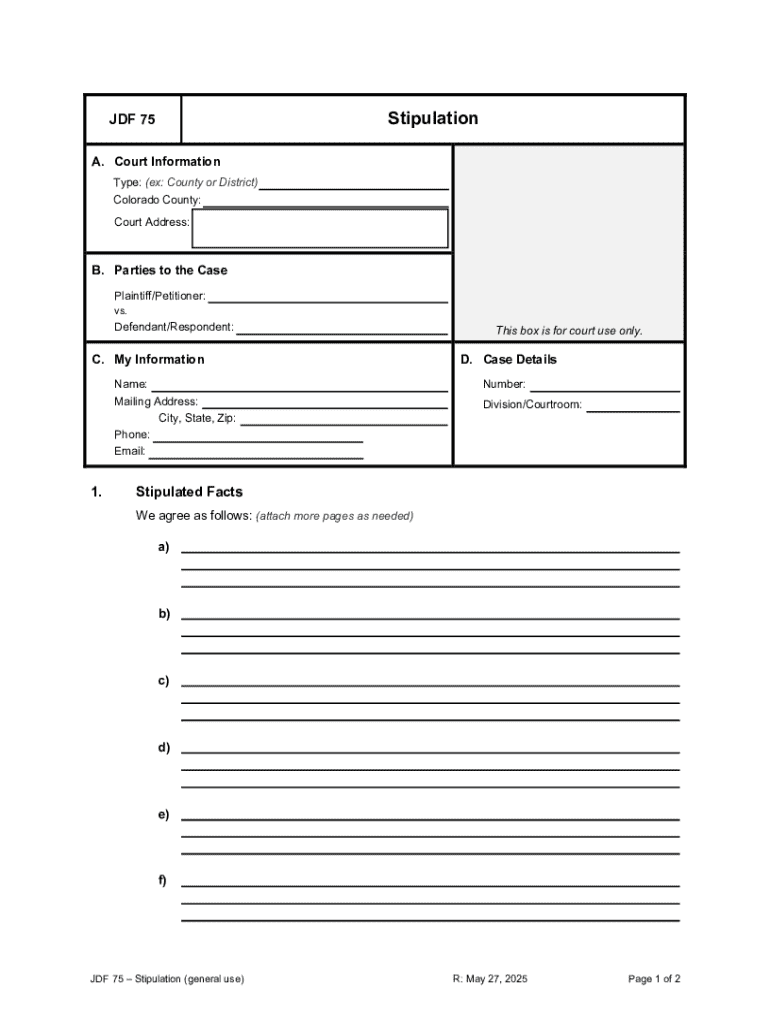
Forms processed online refer to digital versions of documents that typically require information input, completion, or signatures. Utilizing electronic platforms like DocHub, online forms facilitate the process of filling out, submitting, and managing documents across various applications, such as tax filings, legal agreements, and employment paperwork. The digitized format allows users to interact seamlessly with complex forms, adhering to all necessary stipulations for accuracy and compliance without the need for physical paperwork.
How to Use Forms Online
To effectively use forms online, understand the interface and available options within your chosen platform. Start by accessing the form through your desired service, such as via cloud integration or direct upload. Follow these steps:
- Locate the Form: Access the form from a common repository like cloud storage or a direct link provided by the issuer.
- Fill in Required Fields: Complete all necessary sections, employing tools like text boxes or checkmarks where applicable.
- Use Guidance Tools: Platforms often provide pop-up tips or field suggestions, guiding you through complex sections.
- Save Progress: Frequently save your work, especially for documents requiring extensive input or multiple sessions.
- Review and Finalize: Double-check entries for accuracy before proceeding to submission.
Examples of digital forms include employment applications, insurance claims, and e-signature ready documents, each benefiting from tools that enhance usability and compliance.
Steps to Complete the Form Online
Completing forms online involves a precise sequence of tasks to ensure data accuracy and successful submission. Follow these generalized steps:
- Open the Platform: Access the online service or portal where the form is hosted.
- Upload or Select Form: Choose the form you wish to complete from a digital repository or upload it if necessary.
- Enter Information: Provide relevant data in designated fields, using drop-down menus, text entry, and selection tools.
- Attach Necessary Documents: Upload supporting documents where required, ensuring they are in the correct format.
- Verify Data: Re-evaluate filled sections to eliminate errors or omissions.
- Submit Form: Once satisfied, proceed to submit the form as per instructions, ensuring successful reception confirmation.
Applicants often navigate these steps in scenarios such as submitting tax documents, school enrollments, or government forms via portals that simplify complex data collection.
Key Elements of Online Forms
Online forms encompass various features designed for utility and functionality. Noteworthy elements typically include:
- Interactive Fields: Enable user input with minimal effort, guiding data entry through structured layouts.
- Automated Calculations: Perform tasks like tax totals or fee assessments, reducing potential human error.
- Conditional Logic: Adapt dynamically based on initial user responses, showing or hiding sections based on previous answers.
- Validation Mechanisms: Check for format accuracy on entries like social security numbers or email addresses.
- Security Features: Protect sensitive data through encryption and access control measures.
These features are instrumental in applications ranging from healthcare documentation to job application forms, ensuring completeness and compliance.
State-Specific Rules for Online Forms
Some forms may be influenced by state-specific regulations affecting their completion or submission. Users should:
- Identify State Regulations: Research applicable state laws that might influence form requirements.
- Modify Data Input: Adjust entries to align with regional criteria, especially for legal or tax-related forms.
- Utilize State Resources: Refer to state portals offering guidelines or direct assistance in navigating nuanced filings.
- Update Regularly: Monitor changes in state legislation that might impact ongoing form procedures.
For instance, tax filings or healthcare-related forms could differ significantly based on state governance, impacting data fields or submission deadlines.
Required Documents for Online Form Completion
Certain forms necessitate the submission of supporting documents to validate the information provided. Common requirements include:
- Identification Proof: Passports or driver's licenses are often required for identity verification.
- Financial Statements: Pay stubs or bank statements may need uploading for financial-related forms.
- Legal Certifications: Divorce decrees or business licenses that support declared details within the form.
- Proof of Residency: Utility bills or lease agreements verifying an address for jurisdiction-specific forms.
Understanding these requirements ensures comprehensive form completion, in contexts like mortgage applications or scholastic admissions.
Legal Use of Forms Online
Forms processed online must adhere to legal standards to guarantee authenticity and compliance. Elements to ensure legality include:
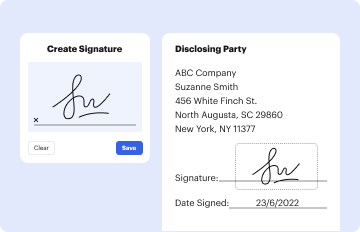
- Digital Signatures: Equally binding as traditional signatures, provided they meet ESIGN and UETA standards.
- Audit Trails: Track each action taken on the form, providing a record of changes and confirmations.
- Legal Disclosures: Incorporate necessary declarations or waivers pertinent to the form's intent and jurisdiction.
- Data Protection Measures: Use SSL encryption and professional security protocols to safeguard submitted information.
Such considerations are critical in scenarios like signing lease agreements or filing official business documents online.
Software Compatibility with Online Forms
Online forms are typically designed to work within specific software environments that facilitate ease of use. Key compatibility considerations include:
- Cloud Integration: Platforms interfacing with cloud services like Google Drive or Dropbox for form uploads and downloads.
- PDF Readers: Support for PDF formats, allowing easy form viewing and printing where necessary.
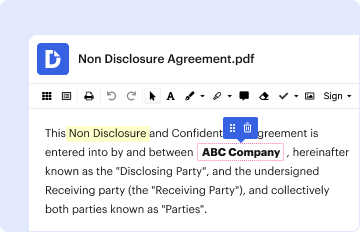
- Editing Tools: Compatibility with platforms like DocHub, enabling advanced form editing, filling, and signing.
- Connectivity with Accounting Software: Integration with systems like QuickBooks for financial form processing.
Ensuring software compatibility aids users in seamless form interaction, particularly in business finance operations or academic administrative processes.