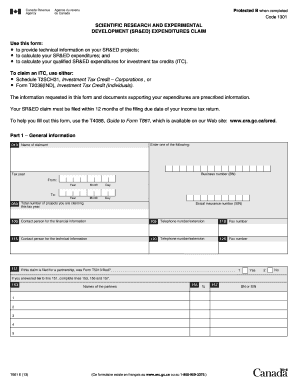
01. Edit your form online
Type text, add images, blackout confidential details, add comments, highlights and more.

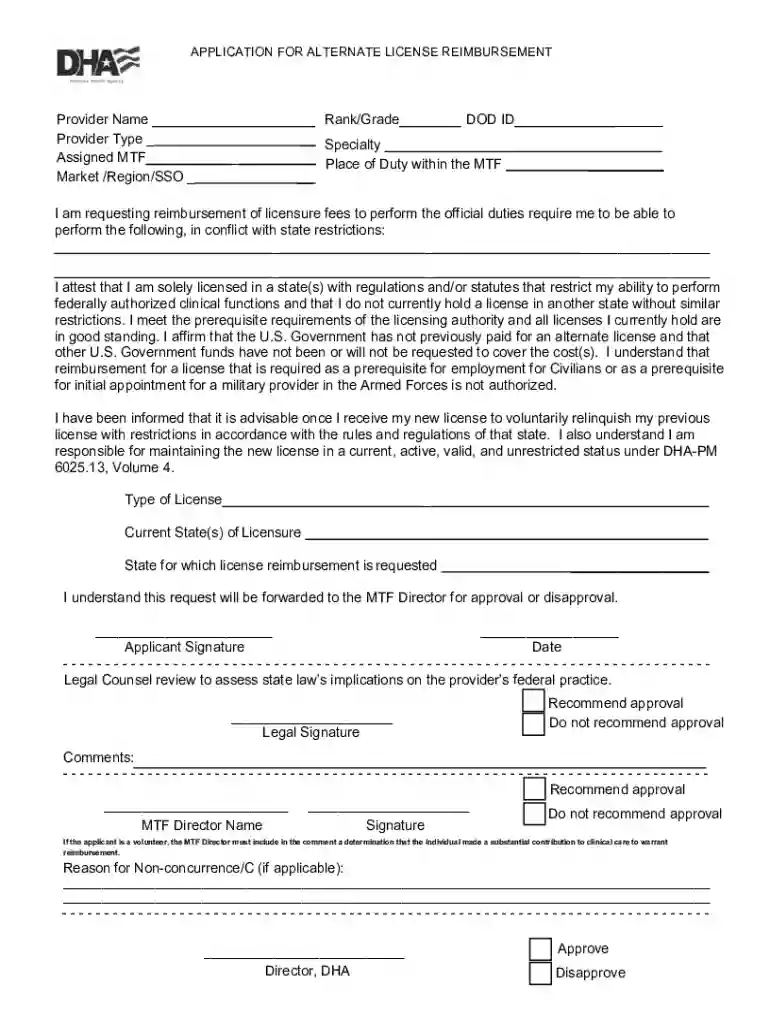
Type text, add images, blackout confidential details, add comments, highlights and more.

Draw your signature, type it, upload its image, or use your mobile device as a signature pad.

Send it via email, link, or fax. You can also download it, export it or print it out.
Understanding the core components of the "Before You Go: Critical Women's Health Resources" is essential for utilizing it effectively. These resources cover a range of critical areas in women's health, including reproductive healthcare, preventive screenings, and access to mental health services. Each element is designed to provide women with the necessary tools and information to make informed health decisions.
Reproductive Healthcare: This element focuses on contraception, family planning, and prenatal care. Access to comprehensive reproductive healthcare is vital for empowering women to control their reproductive health and plan their families.
Preventive Screenings: Regular screenings for breast and cervical cancer, along with other health checks, are crucial for early detection and prevention. These resources guide women in understanding the recommended timelines and procedures for such screenings.
Mental Health Services: Resources in this category highlight the importance of mental wellness, offering information on counseling, therapy, and support networks.
Users can navigate these resources to maximize their benefits, especially for guidance on accessing healthcare services. The resources are designed for simplicity, providing step-by-step instructions on how to access different health services.
Identify What You Need: Determine the specific health service or information you are seeking, such as birth control options or cancer screening schedules.
Access Resource Platforms: Use online portals or local health departments to access information related to your health needs.
Follow Instructions: Each resource provides clear instructions to follow, whether it involves scheduling an appointment or understanding healthcare coverage options.
Completing the requests or accessing services via "Before You Go: Critical Women's Health Resources" involves several steps tailored to ensure a seamless experience.
Gather Personal Information: Have all personal health information, insurance details, and identification ready.
Review Requirements: Check specific requirements for each health service or resource you wish to access.
Submit Requests: Follow the protocols for submitting any necessary forms or requests, whether digitally or in-person.
Follow Up: Ensure to confirm appointments and maintain communication with healthcare providers.
Understanding key terms associated with women's health resources can enhance comprehension and effective use.
Contraception: Any method used to prevent pregnancy, including pills, implants, and barrier methods.
Mammogram: A specific type of breast cancer screening using low-energy X-rays.
Pap Smear: A procedure to test for cervical cancer in women.
Mental Health Parity: Laws and policies that require mental health services to be treated equally with physical health services in insurance plans.
Healthcare resources and regulations may vary by state, affecting how women can access them. Each state may have unique laws regarding reproductive rights, screenings, and insurance coverage.
Reproductive Rights: Some states may have specific laws regarding abortion services and family planning.
Screening Accessibility: State programs may offer free or reduced-cost screenings for eligible women.
Understanding your state's regulations can ensure you access the maximum benefits available.
The choice between digital and paper versions of health resources affects accessibility and convenience.
Digital Resources: Offer instant access to information and services with the convenience of online booking and electronic form submissions.
Paper Resources: Beneficial for those without reliable internet access or who prefer physical documents for record-keeping.
Each method has its advantages, and women should choose based on personal preference and accessibility needs.
Practical examples illustrate how the resources can be effectively used.
Case Study A: A woman seeking contraceptive services accesses online resources to find local clinics, reviews options, and schedules an appointment.
Case Study B: An individual performs a self-breast exam based on guidelines found in digital resources, identifying a concern and following up with a healthcare professional.
These scenarios show how real-world applications of these resources can lead to improved health outcomes.
Understanding who qualifies for different services under these resources can streamline the process of obtaining healthcare.
Income-Based Programs: Some health services offer free or reduced-cost care based on income eligibility.
Insurance Coverage: Eligibility might require specific insurance status or government program enrollment.
Clarifying eligibility requirements helps ensure women access the correct resources and services efficiently.


Not adhering to recommended health screenings and appointments can have consequences, both health-related and administrative.
Health Risks: Skipping routine screenings can lead to undetected conditions and more severe health outcomes.
Insurance Implications: Some insurances may have consequences for consistently missing preventive care appointments or suggested treatments.
Understanding these penalties encourages proactive health management.
Navigating the application process for certain health services typically involves understanding timelines and approval stages.
Application Submission: Completing forms accurately and thoroughly increases efficiency in the process.
Processing Time: Health services might have varying approval times, ranging from immediate to several weeks.
Being informed about these timeframes ensures realistic expectations and better-prepared clients.
By focusing on these aspects, women can make informed decisions, access necessary services, and effectively manage their health.
We've got more versions of the Before You Go: Critical Women's Health Resources form. Select the right Before You Go: Critical Women's Health Resources version from the list and start editing it straight away!
| Versions | Form popularity | Fillable & printable |
|---|---|---|
| 2023 | 4.5 Satisfied (47 Votes) |
At DocHub, your data security is our priority. We follow HIPAA, SOC2, GDPR, and other standards, so you can work on your documents with confidence.