01. Edit your form online
Type text, add images, blackout confidential details, add comments, highlights and more.

Type text, add images, blackout confidential details, add comments, highlights and more.

Draw your signature, type it, upload its image, or use your mobile device as a signature pad.

Send it via email, link, or fax. You can also download it, export it or print it out.
The "Regulations for Officer Development" outlines the structured requirements and guidelines set for the progression and training of officers within various organizations, specifically focusing on the military, law enforcement, and corporate sectors. This document provides a comprehensive framework to ensure officers are adequately prepared for their roles through standardized training protocols, educational prerequisites, and continuous professional development opportunities. It aims to align officers' skills with the demands of their duties, thereby promoting efficiency, accountability, and leadership qualities.
Understanding the regulations is crucial for stakeholders involved in officer development to ensure compliance and optimize training quality.
To effectively use the "Regulations for Officer Development," individuals and organizations should follow these key steps:
Review the Comprehensive Guidelines: Familiarize yourself with all sections of the regulations to understand the expectations and requirements.
Identify Applicable Sections: Focus on sections that are relevant to your specific role or organizational context, such as operational guidelines or educational prerequisites.
Implement Training Programs: Develop and execute training curricula that align with the outlined standards and objectives.
Monitor and Evaluate: Regularly assess officer performance against the set criteria to ensure compliance and foster continuous improvement.
A police department could apply these regulations by mapping their existing training modules to the outlined standards, identifying gaps, and implementing additional training where necessary.
To comply with and complete the requirements stated in the regulations, follow these steps:
Gather Required Documents and Information: Collect all necessary documentation as outlined, including educational certificates, past training records, and identification.
Complete Training and Certification: Enroll in and complete all required training courses and certifications.
Submit Verification: Provide proof of completion for each training component within stipulated deadlines.
Participate in Evaluation: Attend evaluation sessions to assess competence against regulatory standards.
Feedback and Adjustment: Implement feedback received during evaluations for further development.
Pre-Training Assessment: Conduct an initial assessment to tailor training specific to the officer's current competency level.
Scheduling: Register for courses and set a timeline for completion.
Post-Training Evaluation: Undergo assessments to validate knowledge acquisition and skill development.


Implementing these regulations helps organizations enhance their officers' capabilities, ensuring they meet current and future operational challenges effectively.
Educational Requirements: Specify minimum educational qualifications and ongoing education for officers.
Professional Standards: Detail ethical and performance standards required for advancement.
Certification Process: Outline the process for obtaining and renewing necessary certifications.
Organizations should integrate these elements into their development programs to maintain compliance and operational excellence.
The regulations often align with national and state laws, ensuring legal compliance in officer training and development.
A failure by a police department to ensure officers are trained in de-escalation tactics—mandated by state regulation—could result in legal consequences if an incident arises due to lack of training.
Various states may have unique rules or additional requirements related to officer development.
Organizations need to stay informed about local legislative changes to adapt their training programs accordingly, ensuring compliance and relevance.
While digital versions are preferred for their accessibility and ease of update, some organizations may still rely on paper versions for formal presentations or archival purposes.
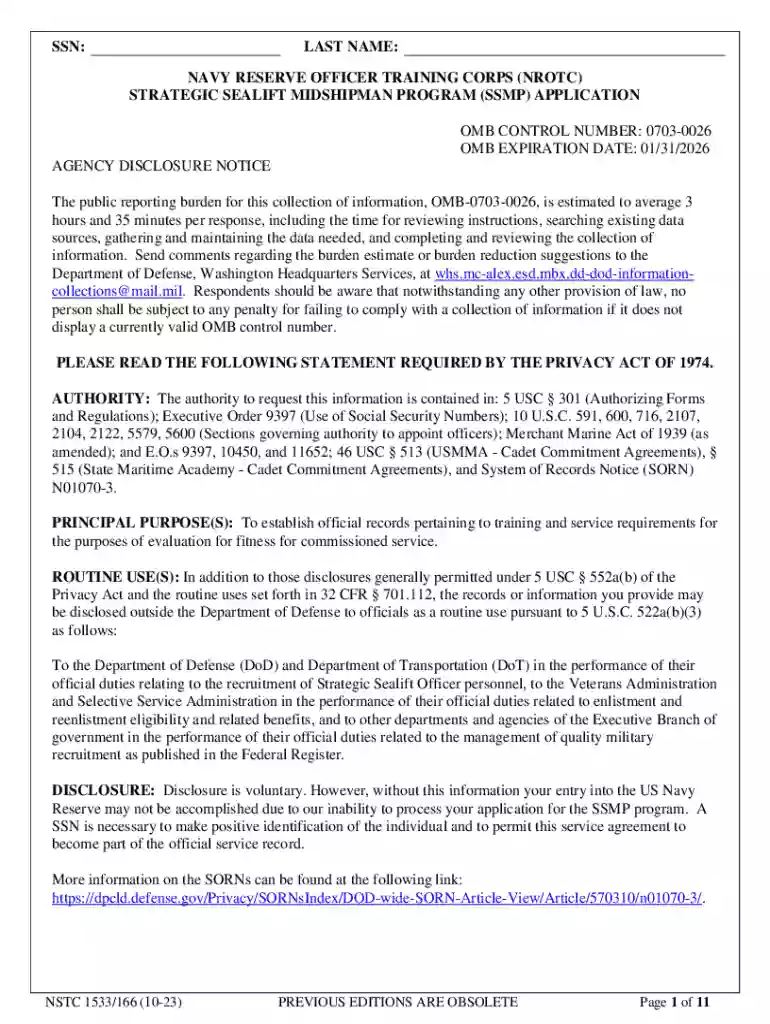
We've got more versions of the Regulations for Officer Development form. Select the right Regulations for Officer Development version from the list and start editing it straight away!
| Versions | Form popularity | Fillable & printable |
|---|---|---|
| 2023 | 4.2 Satisfied (59 Votes) |
At DocHub, your data security is our priority. We follow HIPAA, SOC2, GDPR, and other standards, so you can work on your documents with confidence.