






Definition and Meaning
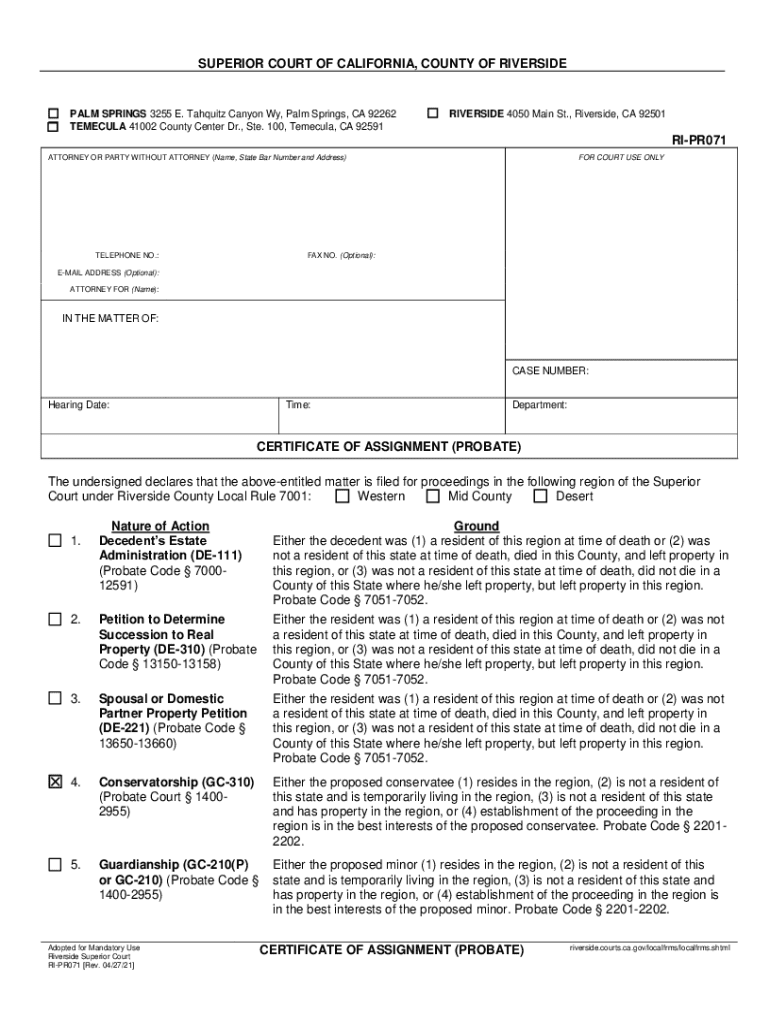
The form "not a resident of this state at time of death, died in this County, and left property in" is used in legal proceedings involving probate cases where the deceased was not a resident of the state at the time of death but left property or estate within the jurisdiction of a particular county. This situation typically arises in circumstances where individuals own properties, investments, or other assets outside their home state. The form is pivotal in establishing the jurisdiction for probate courts to administer the estate.
How to Use the Form
To properly utilize this form, it is essential to identify and maintain all relevant documentation relating to the deceased's assets, including real estate deeds, investment accounts, and other property records, located in the county where the death occurred. This documentation supports the filing and ensures that the probate process moves forward smoothly within the local judiciary framework. The specifics of usage might vary slightly based on the county and state laws, so always verify with local legal requirements.
Steps to Complete the Form
-
Gather Required Information:
- Full legal name of the deceased.
- Exact address of the property within the county.
- Details of any heirs, executors, or associated parties.
-
Complete the Form Fields:
- Fill in all required sections accurately using information about the deceased and the estate.
- Clearly list properties, including addresses and any identifying numbers or legal descriptions available.
-
Submit Supporting Documents:
- Include any necessary documents, such as death certificates, property deeds, and testamentary letters. These will be required to validate the details submitted on the form.
-
File with Appropriate Court:
- Take the completed form and documentation to the probate court in the county where the property is located. Fees and additional paperwork may be required depending on the jurisdiction.
Key Elements of the Form
-
Deceased’s Personal Information: Full name, last known address, and the legal entity if applicable.
-
Property Description: A detailed listing of the property within the county, including each property's legal description to ensure the court recognizes it.
-
Executor/Administrator Details: Information about who will manage the estate, crucial for the court to note who legally handles the proceedings.
Legal Use of the Form
This form's primary legal function is to initiate the probate process in the correct county court, based on where the property is located. By confirming the non-residency of the deceased in relation to their property holdings, the form helps establish jurisdiction and facilitates the equitable distribution of the estate per local laws. Using this form ensures compliance with state-specific probate laws and prevents potential legal disputes among heirs and stakeholders.
State-Specific Rules
Different states may have unique requirements for handling probate cases involving non-residents. For example:
-
California: Requires additional documentation to prove the residency status and determine tax implications.
-
Texas: Instructs a local administrator to be appointed if the executor resides out of state.
-
Florida: Mandates a legal process to determine if the property can be included under homestead exemptions, affecting inheritance.
Important Terms Related to the Form
-
Probate: Legal process administering the estate of a deceased person, resolving claims, and distributing the deceased person's property.
-
Heir: An individual legally entitled to inherit part or all of the estate of another person upon that person's death.
-
Executor: A person or institution appointed by a testator to carry out the terms of their will.
Examples of Using the Form
-
Case Study 1: A New York resident passes away but owns a summer home in Palm Beach County, Florida. The executor files this form in Florida to begin probate in that jurisdiction.
-
Case Study 2: An entrepreneur with commercial property in Cook County, Illinois, dies while residing in Nevada. The form is filed in Illinois to manage the real estate asset as part of the estate proceedings.
Eligibility Criteria
To use the form, the following conditions are typically considered:
- The deceased did not reside in the state at the time of death.
- The deceased owned property or assets within the county requiring administration.
- The estate must be administered under the established probate process.


Required Documents
- Death Certificate: Proof of death from the state of residency.
- Property Deeds: Legal documents proving ownership of assets listed in the form.
- Will (if available): The original or a certified copy, detailing the deceased's wishes.
By comprehensively addressing these components of the form, individuals and legal practitioners can ensure due diligence and adherence to statutory requirements across various jurisdictions in the United States.