






Definition and Meaning of PC 243(e)
PC 243(e) refers to a section within the California Penal Code that addresses domestic battery, specifically involving a spouse, cohabitant, or person with whom the accused has a child or a dating relationship. This misdemeanor charge is applicable when force or violence is used against the individual, but it does not necessarily result in visible injuries. The legal definition highlights the scope and implications of this form of domestic violence, encompassing different personal relationships and living situations. Understanding this term is crucial for those involved in legal, counseling, or social service professions who may encounter domestic violence cases.
Scope and Impact
- Relationships Involved: PC 243(e) specifically addresses incidents involving spouses, partners, cohabitants, or anyone with whom the accused has a significant relationship, such as a shared child. This broad scope ensures protection for various domestic situations.
- Misdemeanor Classification: As a misdemeanor, PC 243(e) involves serious legal consequences but does not have the same severity as a felony. However, convictions can impact custody, employment, and immigration status.
How to Use the PC 243(e) Form
When faced with allegations under PC 243(e), individuals must understand how to interact with the legal system. This involves understanding their rights, legal processes, and potential defenses available under this statute.
Practical Steps
- Consult a Lawyer: Engage with a defense attorney specializing in domestic violence cases to explore legal options and strategies for defense.
- Court Procedures: Prepare for arraignment, where charges are formally presented. Following this, there's an opportunity to plead guilty, not guilty, or no contest.
- Evidence Collection: Gather evidence and witnesses that could challenge the allegations, such as character references or alibis.
Steps to Complete the Legal Process
Engaging with the legal process under PC 243(e) involves several key steps that both defendants and plaintiffs need to understand to navigate the system effectively. These steps help ensure that all legal requirements are met and rights are protected.
Procedural Steps
-
Arrest and Charges: The process typically starts with arrest and charging. Upon arrest, the accused is booked, and charges are filed based on available evidence.
-
Bail Considerations: Bail can be posted following the arrest. The court evaluates factors such as flight risk and the severity of the offense when setting bail conditions.
-
Court Hearing: Attend pre-trial conferences and any scheduled hearings. During this period, both parties can discuss plea bargains or go to trial if necessary.
-
Potential Outcomes: Depending on the case’s specifics, possible outcomes include dismissal, plea deal, or trial verdict. Each outcome will impact the individual's record differently.
Legal Use and Importance of PC 243(e)
Understanding the legal use of PC 243(e) is essential for those facing charges or advocating for victims. This code serves as a critical tool in addressing and mitigating domestic violence incidents within California’s legal framework.
Key Considerations
- Victim Protection: PC 243(e) is primarily focused on protecting victims of domestic abuse, providing the legal grounds to press charges against perpetrators.
- Legal Defense: Provides defense options for those falsely accused or misidentified, emphasizing the importance of due process and fair representation.
Important Terms Related to PC 243(e)
Familiarity with certain terms associated with PC 243(e) can assist individuals in understanding the proceedings and possible repercussions of this legal process. These terms often come into play during legal consultations and court proceedings.
Key Terminologies
- Cohabitant: Refers to two individuals living together in an intimate relationship, not necessarily married.
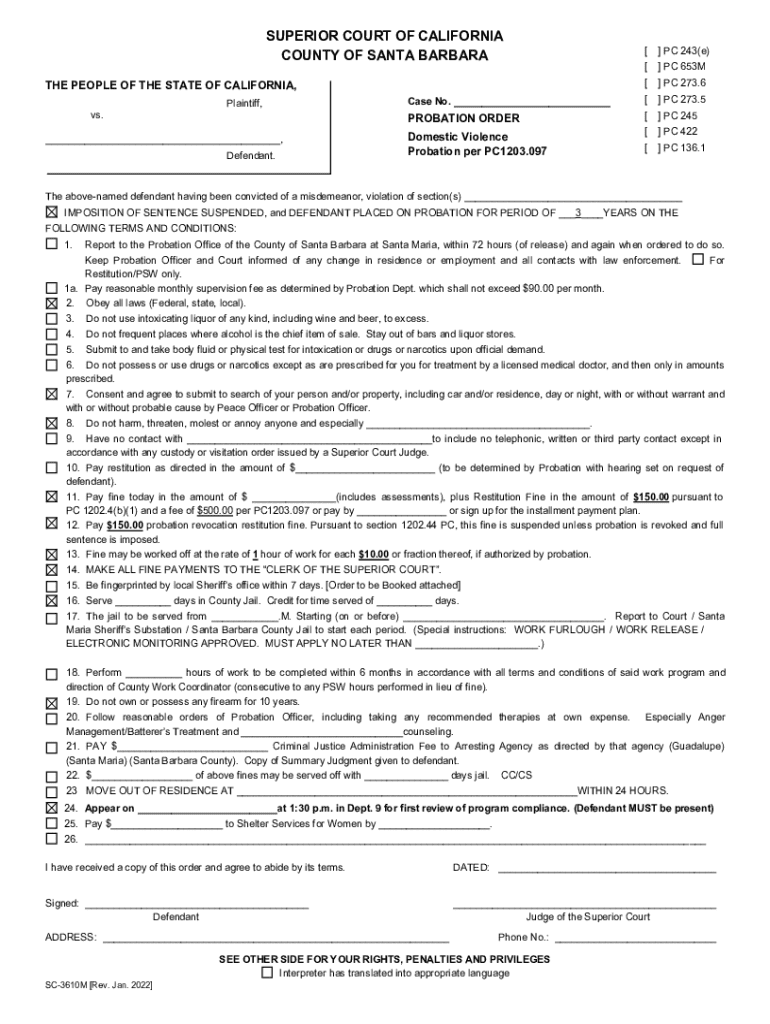
- Probation: In some cases, rather than incarceration, individuals might face probation, which imposes specific conditions and regular check-ins with a probation officer.
Terminology Context
- Restraining Orders: Part of the legal considerations where victims may seek protection orders to prevent further contact or violence from the accused.
- Misdemeanor: Differentiates from felony charges in terms of severity, penalties, and long-term implications.
State-Specific Rules and Variations
Each state may interpret elements of domestic battery differently, but specific to California, PC 243(e) outlines procedures and penalties relevant within its jurisdiction. Familiarity with these rules ensures compliance and aids in legal defense.
California-Specific Processes
- Mandatory Arrest Policy: In California, evidence of domestic abuse can compel law enforcement to arrest the suspect, regardless of the victim’s willingness to press charges.
- Sentence Enhancement: Repeat offenders in California may face enhanced sentencing, which can include longer probation or mandatory counseling programs.
Examples and Scenarios Involving PC 243(e)
Case studies involving PC 243(e) provide real-world insight into how this law is applied and the outcomes of various legal proceedings. These scenarios help illustrate the complexity and nuances involved in domestic battery cases.
Scenario 1: Initial Offense
- Background: An individual with no prior criminal record is accused of domestic battery during a family dispute, with minimal evidence of physical harm.
- Outcome: With the lack of a significant criminal history, outcomes may lean towards probation with required anger management courses and no-contact orders.
Scenario 2: Repeat Offense
- Background: A second-time offender violates a restraining order during an altercation with a former partner.
- Outcome: Due to the repeated nature of the offense, stricter penalties apply, potentially involving incarceration and extended probation.