






Understanding the Complexities of WHC UNESCO Styles
The concept of "styles is often highly problematic - WHC UNESCO" frequently centers around the challenges seen in the submission and evaluation processes for properties nominated for inclusion on the World Heritage List. These styles can be multifaceted due to the intricate balance between cultural and natural values that must be considered. UNESCO's World Heritage Committee requires detailed documentation and adherence to specific criteria, which can lead to complexities in how these styles are implemented and perceived.
Legal Use and Implications
When engaging with styles connected to WHC UNESCO, it is essential to comprehend the legal implications and requirements involved. UNESCO's guidelines demand strict adherence to international heritage law principles. The legal framework governing the World Heritage sites includes both international treaties and local laws, necessitating careful attention to detail and compliance when drafting styles for submissions. These legal considerations ensure that the cultural and natural heritage is preserved while respecting the sovereignty of states.
Obtaining the Right Styles for WHC UNESCO
Acquiring the right styles often requires collaboration with experts in cultural heritage, legal specialists, and government representatives. The process typically involves a thorough review of existing cultural, historical, and natural documentation to ensure alignment with UNESCO's standards. This can include engaging with historians, ecologists, and legal advisors to develop styles that accurately represent the uniqueness of the site in question while complying with stringent submission criteria.
Steps to Develop WHC UNESCO-Compliant Styles
- Research and Documentation: Begin by collecting comprehensive data on the site's cultural and natural significance.
- Consultation with Experts: Engage with professionals in heritage conservation, legal experts, and government officials.
- Drafting Styles: Develop initial styles that encapsulate the site's values and meet UNESCO's criteria.
- Review and Revise: Subject the drafted styles to rigorous review processes, incorporating feedback from stakeholders.
- Submission: Finalize and submit the styles to UNESCO, ensuring all documentation aligns with the committee's requirements.
Importance of Accurate Styles
Creating accurate styles for WHC UNESCO is crucial for several reasons. These styles facilitate the recognition and preservation of world heritage sites, ensuring their protection for future generations. Additionally, they help in promoting understanding and appreciation of cultural diversity and natural wealth. Accurate styles also increase the likelihood of a site's successful nomination, which can bring international prestige and potential economic benefits through tourism.
Key Elements in Effective Styles
- Authenticity and Integrity: Ensuring that the styles accurately reflect the site's real historical and cultural context.
- Comprehensive Data Collection: Gathering all relevant historical, cultural, and environmental information.
- Legal and Cultural Alignment: Adhering to international conventions and local laws pertinent to heritage conservation.
Examples and Case Studies
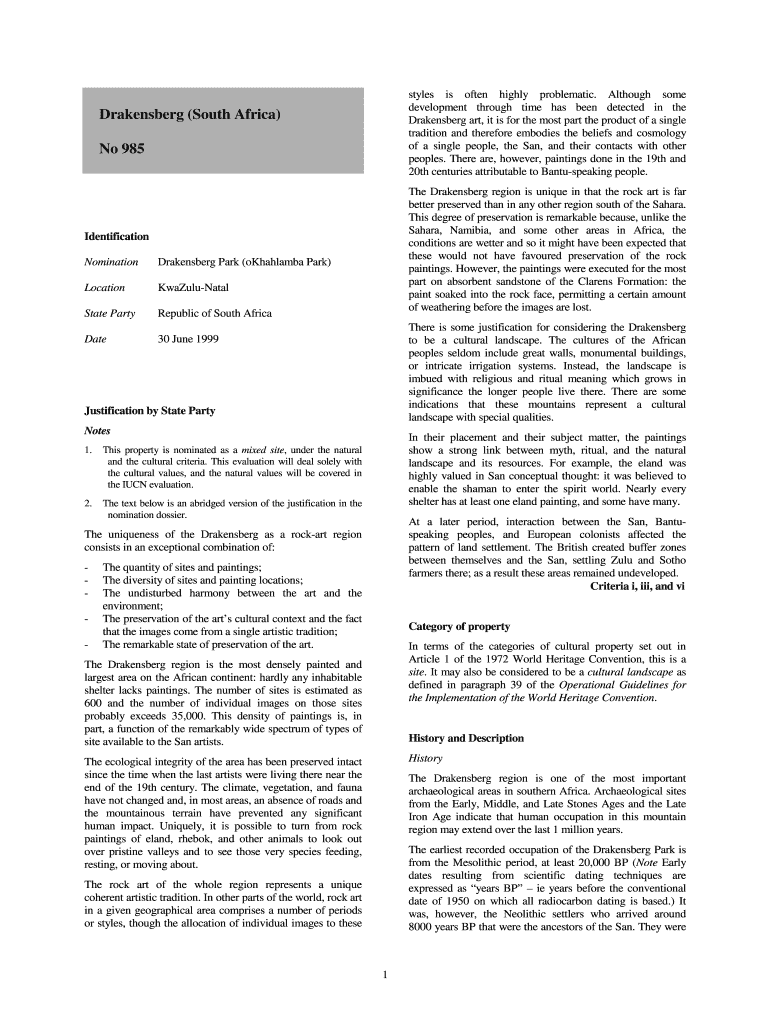
Several case studies illustrate the successful application of styles in WHC UNESCO nominations. For instance, the Drakensberg Park's nomination exemplifies effective styles showcasing both natural and cultural significance. This site's documentation highlighted rock art and unique ecological features, fulfilling all necessary WHC UNESCO criteria and leading to its successful inclusion in the World Heritage list.
Addressing State-Specific Challenges
State-specific rules often pose challenges in crafting suitable styles. Different nations have varied heritage laws and priorities, which can influence how styles are drafted and submitted. Being aware of these disparities and adapting the approach accordingly is crucial for developing effective styles that cater to both UNESCO's broad criteria and the nuanced requirements of individual states.
Digital Integration and Software Compatibility
The evolution of digital platforms has influenced the drafting process of styles for WHC UNESCO. Many use document management systems that integrate with platforms like Google Workspace to streamline collaboration and submission. Compatibility with software such as DocHub allows for real-time editing and reviewing, making the process more efficient and precise. This integration ensures that all stakeholders can contribute effectively, regardless of their physical location.
This detailed exploration of WHC UNESCO styles addresses the intricacies of their development and importance while providing comprehensive insights into crafting submissions that align with international heritage standards.