






Definition and Meaning
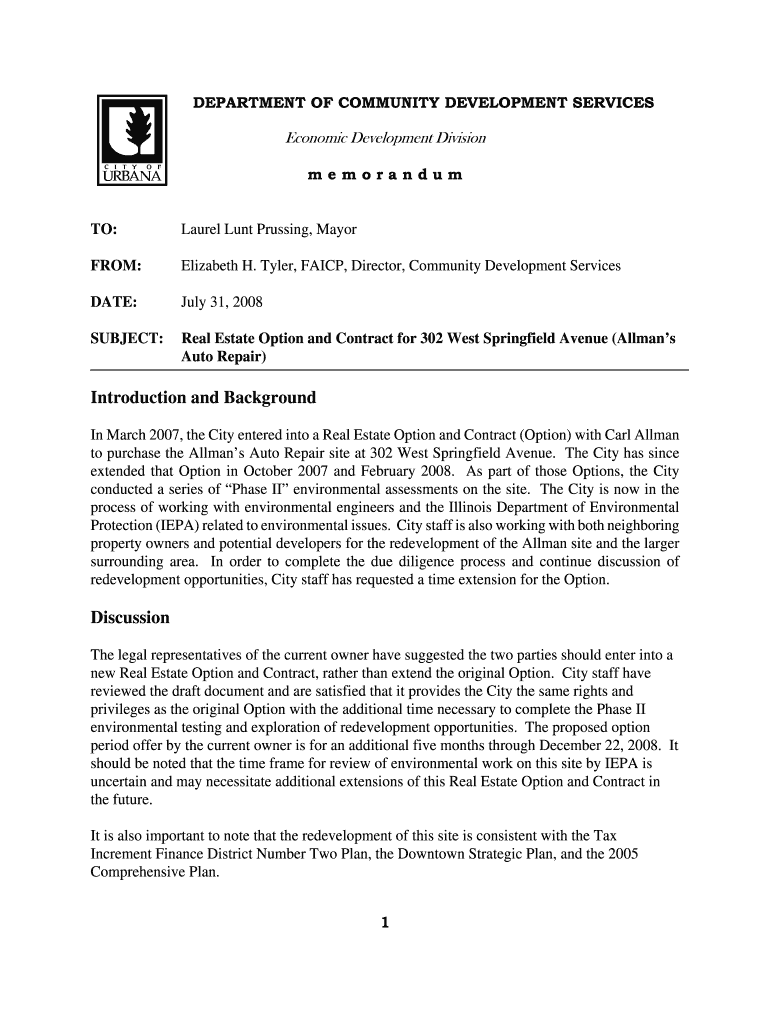
A "Motion Authorizing the Mayor to Execute a Real Estate Option and Contract for Property Located at 30" is a legal document that empowers the mayor of a city to execute a real estate transaction specifically for property identified as being located at address 30. This motion typically forms part of a municipal council meeting's agenda, where members vote to permit the mayor to officially proceed with signing the necessary legal papers to either purchase or negotiate options on the specified property. The primary objective is often aligned with city development goals, such as urban redevelopment or public infrastructure projects.
How to Use the Motion
To utilize the "Motion Authorizing the Mayor to Execute a Real Estate Option and Contract for Property Located at 30," it is essential to first understand the material involved. Here's a structured approach:
-
Council Meeting Agenda:
- The motion is presented as part of the city council's agenda. Members will review the motion's details and discuss its implications.
-
Discussion and Amendments:
- During the meeting, council members may discuss the motion, propose amendments, or ask for additional information to ensure transparent decision-making.
-
Voting Process:
- The motion is put to a vote among council members. A majority vote is typically required for approval.
-
Execution by the Mayor:
- Upon approval, the mayor is authorized to execute the option and contract documents related to the property.
-
Document Filing:
- The executed documents are usually filed with appropriate local or regional government offices to formalize the authorization.
Steps to Complete the Motion
Completing a motion involves several critical steps. Detailed instructions help ensure accuracy and legality:
-
Drafting the Motion:
- Clearly articulate the purpose and benefits of acquiring the property at the specified address.
-
Inclusion of Key Details:
- Ensure the motion includes the property address, the nature of the real estate option and contract, and any financial implications or commitments.
-
Legal Review:
- The draft motion should be reviewed by legal counsel to ensure compliance with applicable laws and municipal regulations.
-
Placement on the Agenda:
- Submit the draft for inclusion on the agenda of the next city council meeting.
-
Council Deliberation:
- Present the motion, answer questions, and participate in discussions during the meeting.
-
Vote Collection:
- Record the votes cast by council members for formal documentation.
-
Execution Preparation:
- If approved, prepare the final documents for the mayor's signature, ensuring all legal requirements are met.
-
Public Notification:
- Inform the community and relevant stakeholders about the council's decision and anticipated next steps.
Why Pursue the Motion
There are multiple compelling reasons to authorize such a motion:
- Urban Development: Facilitates strategic urban planning initiatives or redevelopment projects that can enhance the city's infrastructure and community services.
- Economic Benefits: Potentially generates economic development by attracting investment, creating jobs, or improving property values within the area.
- Community Improvement: Allows the city to implement public works or recreational facilities, thereby improving residents' quality of life.
- Regulatory Compliance: Ensures that all real estate transactions conducted by municipal leaders are transparent, legally sound, and consistent with public policy.
Who Typically Uses the Motion
This specific motion is primarily used by the following entities:
- City Councils: Used by municipal government bodies responsible for urban planning and development decisions.
- Mayors: Given authority to execute specific real estate transactions on behalf of the city.
- Municipal Legal Departments: Provide legal oversight in drafting and reviewing motions.
- Urban Development Planners: Collaborate on the strategic development and implementation of projects related to the motion.


Key Elements of the Motion
Understanding the fundamental components of this motion is crucial:
- Property Details: Precise address and description of the property involved.
- Purpose of Acquisition: Clear explanation of why the property is being acquired, tied to city developmental goals.
- Financial Consideration: Any related costs or economic implications, including funding sources.
- Legal Provisions: Legal terms and conditions set forth for executing the real estate option and contract.
- Authorization Parameters: Specific authority granted to the mayor, including scope and any limitations.
Legal Use of the Motion
The legal framework governing this motion encompasses:
- Municipal Law Compliance: Ensures all actions conform to state and local legislation.
- Contract Law: Details regarding offers, acceptance, and consideration as fundamental aspects of legal contracts.
- Public Policy: Alignment of property acquisition with public interest and welfare objectives.
State-Specific Rules
Varying regulations across states can impact the execution and requirements of such motions:
- Jurisdictional Variations: Differences in state law regarding municipal property acquisition processes.
- Notification Procedures: State mandates on public notices or hearings before executing real estate options.
- Environmental and Zoning Laws: State-specific considerations for land use, environmental assessments, and compliance with zoning regulations.
Examples of Using the Motion
Real-world scenarios illustrate the motion in action:
- Urban Regeneration Initiatives: Cities employ such motions to acquire blighted properties for redevelopment and beautification.
- Infrastructure Expansion: Used to procure land for new roads, schools, or healthcare facilities to meet community needs.
- Public-Private Partnerships: Facilitates collaboration between the city and private developers for projects that benefit both entities and the public.