
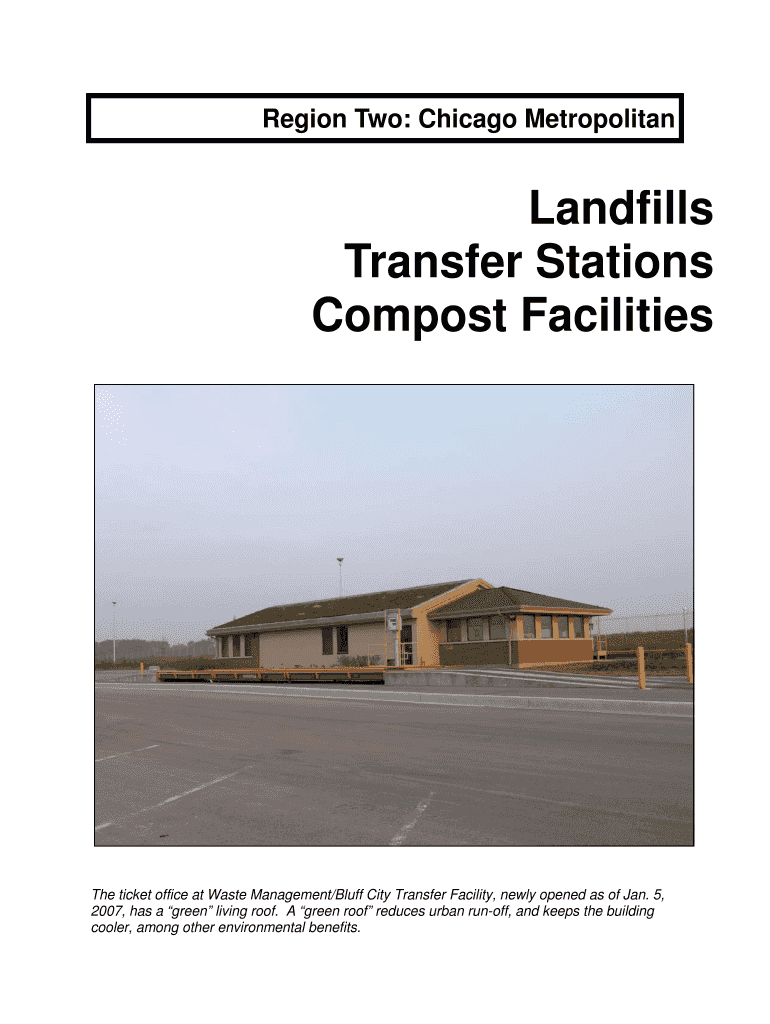







Definition and Meaning of Region Two: Chicago Metropolitan
The term "Region Two: Chicago Metropolitan" typically refers to the geographical and administrative area within Illinois, including the city of Chicago and its surrounding suburbs. This area is renowned for its dense population, economic influence, and cultural diversity. In terms of waste management, it experiences unique challenges due to its large urban population. Identifying the characteristics and significance of Region Two provides a foundation for understanding how policies and regulations are applied specifically to this area. The Chicago Metropolitan Area is key to the state's economy and infrastructure, influencing various sectors including real estate, transportation, and environmental management. The definition of this region often extends beyond political boundaries, impacting planning and resource allocation.
How to Use the Region Two: Chicago Metropolitan Form
The Region Two: Chicago Metropolitan form is crucial for individuals and businesses involved in waste management and environmental compliance. To utilize this form effectively:
- Identify Purpose: Determine whether you are reporting on landfill capacities, seeking permits, or making waste disposal declarations.
- Gather Information: Collect all pertinent data regarding your waste management operations, including the facility's location, disposal capacity, and operational statistics.
- Complete Sections Accurately: Ensure that each section is filled out to reflect the specific operations within the Chicago Metropolitan region.
- Attach Supplementary Documents: Include any additional documentation required, such as environmental impact assessments or operational plans.
- Review: Double-check for accuracy and completeness to prevent delays or rejections.
Using the form correctly ensures compliance with regional regulations and contributes to the sustainable management of resources.
Steps to Complete the Region Two: Chicago Metropolitan Form
Completing the Region Two: Chicago Metropolitan form involves several key steps to ensure accuracy and compliance:
- Obtain the Form: Access the form through official regional or state environmental websites or offices.
- Fill in Basic Information: Enter basic information such as the name and address of the facility or business, contact information, and the specific location within the Chicago Metropolitan area.
- Detail Operations: Provide comprehensive details on waste management operations, including types of waste processed, volumes, and disposal methods.
- Provide Environmental Data: Include data on recycling efforts, compost facilities, and any innovative waste reduction measures in place.
- Signature and Declaration: Certify the accuracy of the information with a signature from an authorized individual or representative.
- Submit: Send the form through the specified channels, typically via mail or online portals.
These steps ensure that the submission is thorough and meets all regulatory requirements.
Key Elements of the Region Two: Chicago Metropolitan Form
The Region Two: Chicago Metropolitan form consists of several key elements critical to its completion:
- Facility Identification: Information about the facility or operation submitting the form, including contact details and geographical specifics.
- Waste Management Data: Detailed accounts of waste types and volumes, including recycling and composting statistics.
- Capacity Statistics: Data on the capacity of facilities to process and manage waste, with a focus on operational limits and future projections.
- Environmental Safeguards: Information on measures taken to minimize environmental impact, such as emissions controls or sustainable practices.
- Compliance and Permits: Declarations of compliance with local and federal regulations and any necessary permits obtained.
Understanding these elements ensures that those responsible for waste management within the Chicago Metropolitan area can effectively meet their reporting obligations.
State-Specific Rules for the Region Two: Chicago Metropolitan
Illinois, and specifically the Chicago Metropolitan area, has specific regulations governing waste management:
- Permit Requirements: The state mandates specific permits for facilities operating within this region due to its dense population and environmental sensitivity.
- Recycling Mandates: High emphasis is placed on recycling and composting to manage the region's substantial waste output.
- Landfill Operations: Includes rules on landfill operations focusing on minimizing hazardous emissions and ensuring safe waste treatment.
- Reporting Obligations: Detailed and regular reporting is required to monitor environmental impact and compliance with waste management standards.
These state-specific rules are critical to maintaining environmental integrity and ensuring compliance with broader U.S. guidelines.
Penalties for Non-Compliance
Failing to comply with the requirements for waste management in the Region Two: Chicago Metropolitan can result in penalties:
- Fines: Monetary penalties for non-compliance with landfill operation rules or failure to submit required documentation.
- Suspensions: Temporary suspension of operating permits until compliance is achieved.
- Environmental Cleanup Costs: Responsibility for costs associated with rectifying environmental damage caused by improper waste management practices.
These penalties underscore the importance of adhering to regulatory standards and emphasize the need for diligent and accurate reporting.
Eligibility Criteria for Using the Form
Eligibility to use the Region Two: Chicago Metropolitan form primarily involves the following:
- Operational Scope: Facilities engaged in waste management or recycling activities within the metropolitan area.
- Permit Holder: Entities holding necessary permits for waste operations within Illinois.
- Environmental Impact: Facilities that have a significant impact on waste streams and require detailed operational reports.
Meeting these eligibility criteria ensures that the appropriate entities are managing and reporting on their activities consistent with regional regulations.


Business Types That Benefit Most from the Region Two: Chicago Metropolitan Form
Certain businesses derive significant benefits from understanding and effectively using the Region Two: Chicago Metropolitan form:
- Waste Management Companies: Firms involved in collecting, transporting, and processing waste, requiring detailed operational oversight.
- Recycling Facilities: Businesses focusing on recycling and resource recovery gain insights into regulatory compliance and eco-friendly practices.
- Real Estate Developers: Understanding waste disposal requirements assists in planning and compliance for new developments.
- Environmental Consultants: Utilize the form to advise clients on compliance and improve operational efficiency within the region.
These businesses are directly impacted by the regulations and reporting requirements associated with the form, guiding them towards sustainable and compliant operations.




