




Definition and Meaning of "Form Online"
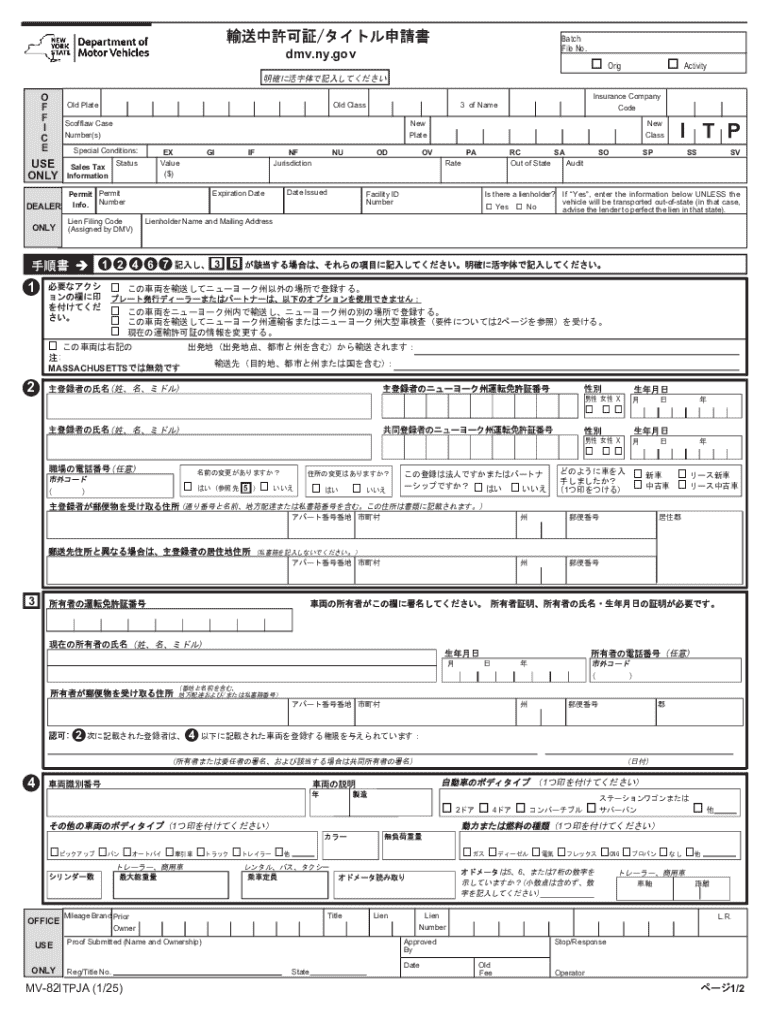
The term "form online" refers to a digital document that can be completed and submitted over the internet. It allows users to fill in necessary information directly within their web browsers, offering a convenient way to share and collect data. Online forms are commonly used for a variety of purposes such as applications, registrations, surveys, and feedback collection. They eliminate the need for paper-based methods, reducing physical storage needs and enhancing data accuracy and accessibility.
Key Characteristics of Online Forms
- Accessibility: Available anywhere with internet access.
- Efficiency: Quick data submission and processing.
- Accuracy: Minimizes manual data entry errors.
- Environmentally Friendly: Reduces paper waste.
- Security: Often includes encryption and authentication for secure data handling.
How to Use the Form Online
Using a form online involves several straightforward steps, making it a user-friendly process for most individuals. Here's how you can efficiently utilize online forms:
- Locate the Form: Identify the appropriate website offering the form you need.
- Access Instructions: Before filling out, read any instructions to understand the requirements.
- Fill Out Required Fields: Enter requested information in the form fields, ensuring accuracy.
- Review Information: Check for errors or incomplete sections that may prevent submission.
- Submit Form: Click the submit button, ensuring you receive a confirmation for successful submission.
Example of a Common Online Form Process
- Job Applications: Candidates can fill out their personal, educational, and professional details through a company’s online application form.
- Surveys: Respondents complete questionnaires online, facilitating data collection and analysis.
Steps to Complete the Form Online
Completing an online form involves a series of necessary steps to ensure the information is accurate and complete:
- Review Instructions: Familiarize yourself with the form's purpose and required information.
- Gather Information: Ensure you have all necessary documents and figures before starting.
- Fill Out the Form: Carefully enter data in specified fields. Pay attention to mandatory sections.
- Double-Check Entries: Verify all entered information for accuracy and completeness.
- Submit and Save: After submission, save or print a copy for your records.
Considerations for Form Completion
- Data Privacy: Be aware of how your data will be used and shared.
- Confirmation: Ensure you receive a confirmation email or message upon submission.
- Deadline Awareness: Submit before any stated deadlines to avoid penalties.
Why Should You Use Form Online
Online forms offer numerous advantages over their paper counterparts, making them the preferred choice for individuals and organizations:
- Convenience: Fill out forms anytime, anywhere without physical constraints.
- Cost-Effectiveness: Reduces costs associated with printing, mailing, and storage.
- Speed: Accelerates processing and response times.
- Versatility: Easily integrated with databases and analytics tools for efficient data utilization.
Practical Benefits for Users
- Immediate Submission: Instant processing compared to postal delays with paper forms.
- User-Friendly Interfaces: Designed for intuitive use, often with help prompts.
Who Typically Uses the Form Online
A diverse range of users engages with online forms due to the versatility and convenience they offer:
- Individuals: Filling out personal applications or surveys.
- Businesses: Utilizing forms for client feedback, job applications, and internal processes.
- Educational Institutions: Managing student applications, enrollments, and assessments.
- Government Agencies: Streamlining public services and information collection.

Use Cases
- Small Business Owners: Submit tax forms and financial documents online.
- Students: Apply for scholarships or submit assignments digitally.
Key Elements of the Form Online
Online forms incorporate several essential components that facilitate user interaction and data collection:
- Form Fields: Spaces for entering data, such as text boxes, checkboxes, and dropdowns.
- Instructions: Guidelines and requirements for completing the form correctly.
- Validation: Mechanisms to ensure data integrity and completeness.
- Submit Button: Allows users to finalize and send the completed form.
Enhancements for User Experience
- Auto-Fill Functionality: Saves time by automatically populating known data.
- Real-Time Feedback: Provides instant notifications for errors or missing information.
Legal Use of the Form Online
The legal aspect of using forms online is crucial, ensuring compliance with relevant laws and regulations:
- Data Protection: Often subject to data protection laws, safeguarding user information.
- Consent and Disclosure: Forms typically require user consent for data usage.
- Legally Binding Agreements: When used for contracts or applications, often equivalent to a traditional signature.
Legal Considerations
- Privacy Agreements: Most forms come with privacy terms outlining user rights.
- Electronic Signature Recognition: Ensures forms are legally recognized at par with paper documents.
Examples of Using the Form Online
Real-world examples highlight the versatility and convenience of online forms across various sectors:
- Tax Filings: Taxpayers can use online forms for submitting necessary documentation to the IRS.
- Customer Feedback: Businesses collect customer opinions and improve services through surveys.
- Healthcare: Patients fill out medical histories and appointment requests online.
Case Study
- E-commerce Platforms: Businesses streamline order and return processes with interactive online forms.
Important Terms Related to Form Online
Understanding specific terms can enhance comprehension and effective use of online forms:
- Captcha: A security feature to prevent automated form submissions.
- Encryption: Ensures the protection of data during transmission.
- Responsive Design: Refers to form layouts that adjust to different screen sizes.
Glossary
- API Integration: Enables connectivity between forms and other software systems.
- Opt-in/Opt-out: Options for user data consent and participation in communications.