01. Edit your food stamp budget sheet online
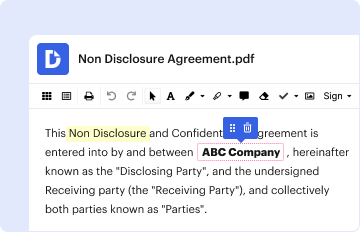
Type text, add images, blackout confidential details, add comments, highlights and more.

Type text, add images, blackout confidential details, add comments, highlights and more.
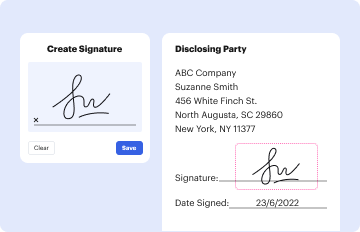
Draw your signature, type it, upload its image, or use your mobile device as a signature pad.
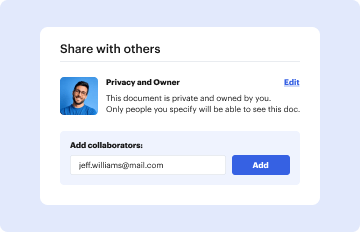
Send nys food stamp budget sheet via email, link, or fax. You can also download it, export it or print it out.
The "Food Stamp Budget Sheet," officially known as the Food Stamp Benefits Budget Worksheet (LDSS-3114), serves as a vital tool for calculating eligibility and benefits for food assistance programs in the United States. This worksheet helps families and individuals understand their financial standing concerning food stamp benefits by organizing their monthly earnings, expenses, and potential deductions. The key objective is to ascertain monthly net income and determine the food stamp allocation one can anticipate receiving. Various sections on the sheet guide users in accurately presenting household information, incomes, and allowable deductions.
Using the Food Stamp Budget Sheet involves several distinct steps designed to guide users through the completion process. Initially, individuals should gather pertinent financial information such as household size, income sources, and existing deductions. Enter these details in the respective sections of the sheet. For example, household information, including the number of occupants and dependents, sets the baseline for benefit calculations. The income section requires you to list all income sources such as wages, social security, and any child support. After listing deductions, follow the sheet's instructions to calculate total income, permissible deductions, and net income. Finally, use this information to understand the expected monthly food stamp benefits, based on federal guidelines.
Completing this worksheet involves understanding each section and accurately filling it out. Here is a step-by-step guide:
The Food Stamp Budget Sheet is primarily used by individuals and families who are applying for or re-evaluating their eligibility for the Supplemental Nutrition Assistance Program (SNAP) benefits. It is particularly useful for low-income households seeking assistance to meet their nutritional needs. Social services professionals and caseworkers may also use the document when assisting clients with their applications. Beyond this, the form can serve educational purposes or inform policy development for social service agencies focused on food security issues.

Several critical elements are integral to understanding and correctly filling out the budget sheet:
Eligibility for food stamp benefits often hinges on factors outlined within the budget sheet. Key criteria include income levels relative to household size and composition, residency status, and compliance with employment and work requirements where applicable. The sheet enables applicants to determine if they fall within the income limits set by the USDA, taking into account the number of dependents and other household circumstances.

Consider a single-parent household with two children and an income primarily from part-time employment. Using the worksheet, this parent can input the number of dependents, monthly earnings, and any applicable deductions such as childcare costs. After completing the income and deductions sections, they calculate net income to understand their potential food stamp benefits.
In another scenario, an elderly person living alone might use the form to apply medical expense deductions, minimizing countable income and maximizing the benefits. These cases highlight how the budget sheet provides a clear framework for diverse household situations.
While the Food Stamp Budget Sheet follows federal guidelines, certain states might have additional requirements or provide distinct deductions that affect eligibility and benefit levels. For instance, some states offer expanded categories of allowable deductions or unique calculation methodologies. It is essential for applicants to refer to their state's Department of Human Services or similar entities for tailored guidance.
At DocHub, your data security is our priority. We follow HIPAA, SOC2, GDPR, and other standards, so you can work on your documents with confidence.