Definition & Meaning
The Florida Abuse Hotline Fax Transmittal Form is a crucial document used to report cases of abuse, neglect, threatened harm, or exploitation to the Florida Department of Children and Families (DCF). This form allows concerned individuals or mandated reporters to provide detailed information about suspected abuse incidents via fax. It serves as a formal communication tool, ensuring that the reports are documented and addressed promptly. These cases often involve vulnerable populations, such as children, elderly individuals, or disabled persons, requiring immediate attention and action from the authorities.
How to Use the Florida Abuse Hotline Fax Transmittal Form
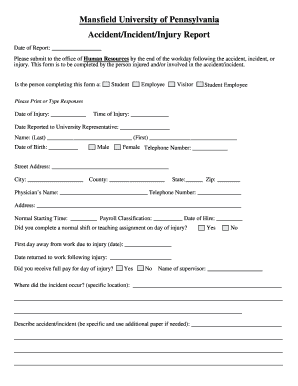
Using the Florida Abuse Hotline Fax Transmittal Form involves a series of precise steps to ensure the information is accurately conveyed to the relevant authorities. Start by downloading the form from the Florida DCF website or obtaining a physical copy from their office. Once you have the form, fill in all required fields, which typically include personal details of the alleged victim and the suspected abuser, the nature of the abuse, and any additional supporting details.
- Detailed Information: Clearly describe the incident, providing dates, locations, and any witnesses if applicable.
- Confidentiality: While the form may require personal details, Florida law ensures the confidentiality of reporters to encourage more individuals to come forward without fear of retribution.
After completing the form, fax it to the designated hotline number, ensuring all pages are correctly transmitted.
How to Obtain the Florida Abuse Hotline Fax Transmittal Form
Obtaining the Florida Abuse Hotline Fax Transmittal Form can be done through several methods. The most efficient way is by visiting the Florida Department of Children and Families website, which usually offers a downloadable PDF version of the form. Alternatively, you can contact the local DCF office to request a physical copy. It's important to use the latest version of the form to ensure compliance with current reporting requirements.
- Online Access: Visit the Florida DCF website and navigate to the section dedicated to abuse reporting forms.
- Direct Contact: Call the DCF helpline if you have trouble accessing the form online, and request assistance or a mailed copy.
Steps to Complete the Florida Abuse Hotline Fax Transmittal Form
Completing the Florida Abuse Hotline Fax Transmittal Form requires accuracy and completeness. Here is a step-by-step guide:
- Gather Information: Before starting, have all pertinent details at your disposal, such as personal information about the involved parties and specific details about the abuse incident.
- Fill Personal Details: Include the name, age, and address of the alleged victim and abuser.
- Describe the Abuse: Provide a detailed account of the abuse or neglect, incorporating dates, times, and any observed effects on the victim.
- Include Contact Info: Ensure you include your contact information if you're reporting as a mandated reporter, maintaining confidentiality as required by law.
- Review and Sign: Double-check all entries for accuracy before signing and dating the form, if necessary.
- Transmit Form: Fax the completed form to the provided hotline number, keeping confirmation receipts for your records.
Why Should You Use the Florida Abuse Hotline Fax Transmittal Form
Using the Florida Abuse Hotline Fax Transmittal Form is vital for creating an official record of suspected abuse, which can assist in ongoing investigations and interventions. The form standardizes how reports are submitted, ensuring critical information is collected consistently across different cases. It also helps in expediting the response from the Department of Children and Families, which is necessary when dealing with time-sensitive situations involving potential harm.
- Legal Protection: Reporting abuse through official channels can provide legal protection and aid in establishing a timeline of incidents.
- Expedited Response: Official reports via the form are prioritized, facilitating quicker protective actions for victims.
Who Typically Uses the Florida Abuse Hotline Fax Transmittal Form
The form is typically used by individuals who have a duty to report suspected abuse, including social workers, healthcare professionals, educators, and law enforcement officers. These mandated reporters are often the first line of defense in recognizing and reporting abuse, neglect, or exploitation.
- Mandated Reporters: This includes professionals legally obligated to report any suspicions of abuse encountered through their work.
- Concerned Citizens: While not required, any individual suspecting abuse can use the form to report incidents anonymously if necessary.


Key Elements of the Florida Abuse Hotline Fax Transmittal Form
The form contains several critical elements that facilitate thorough and effective reporting. These elements are designed to capture all necessary information to initiate a proper investigation.
- Identification Details: Areas for inputting the victim's and alleged perpetrator's identifying information.
- Incident Description: A section dedicated to a comprehensive account of the abuse or neglect, including the context and any resulting injuries.
- Reporting Party Information: Fields for the details of the person submitting the report, with assurances of confidentiality.
- Mandatory Fields: Required sections to ensure all vital information is collected, facilitating a robust response strategy.
State-Specific Rules for the Florida Abuse Hotline Fax Transmittal Form
Florida has specific regulations surrounding the reporting of abuse through the Hotline Fax Transmittal Form. These include mandatory reporting laws for designated professionals, protection for reporters, and specific time frames within which certain types of abuse must be reported.
- Protection for Reporters: Florida law provides immunity from civil or criminal liability for those who report abuse in good faith.
- Timeliness: Reports must be filed promptly, often within 24-48 hours for mandated reporters, to ensure immediate action can be taken.
- Follow-Up Requirements: In some cases, additional documentation may be required after the initial report to aid investigations.
Understanding and utilizing these state-specific rules ensures compliance and enhances the efficacy of the abuse reporting process.