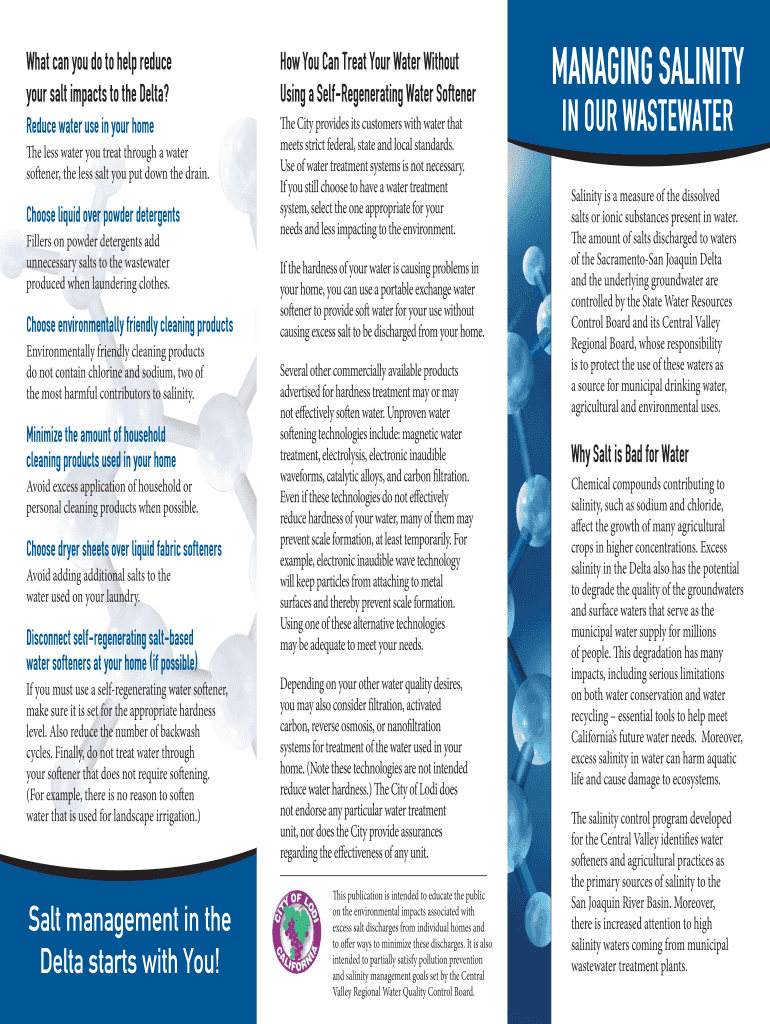




Definition and Meaning of "What Can You Do to Help Reduce"
"What can you do to help reduce" typically refers to an inquiry or form aimed at identifying actions individuals or organizations can take to lower their environmental impacts, such as reducing carbon emissions, water usage, or waste production. In a broader context, this theme can be applied to various fields, including environmental conservation, resource management, and sustainable practices. By understanding this concept, organizations can tailor their operations to promote sustainability and efficiency.
Steps to Complete the "What Can You Do to Help Reduce"
- Identify the Goals: Understand the specific areas where reductions are needed, such as energy usage, waste generation, or resource consumption.
- Evaluate Current Practices: Conduct a comprehensive assessment of current processes to identify inefficiencies or areas with high environmental impacts.
- Implement Changes: Develop strategies to address identified issues. This may involve adopting new technologies, altering operational procedures, or promoting behavioral changes among team members.
- Monitor and Adjust: Continuously track the impact of implemented changes and adjust strategies as needed to enhance effectiveness and achieve desired outcomes.
Key Elements of the "What Can You Do to Help Reduce"
- Assessment Tools: Utilize tools and methodologies to evaluate existing practices and pinpoint opportunities for improvement.
- Action Plans: Develop detailed plans outlining specific actions to be taken, timelines, and responsible parties.
- Measurement Metrics: Establish metrics to gauge the success of reduction efforts, enabling ongoing assessment and adjustment.
- Communication Channels: Ensure clear communication with stakeholders about goals, processes, and progress to foster an inclusive and supportive environment.
Examples of Using the "What Can You Do to Help Reduce"
- Corporate Example: A manufacturing company might assess energy usage across facilities and invest in energy-efficient machinery to reduce emissions and costs.
- Community Initiative: A local government could initiate a program encouraging residents to use water-saving devices, thus reducing municipal water treatment burdens.
- Environmental Campaign: Non-profits could engage the public in campaigns focused on reducing plastic waste through educational outreach and sustainable alternatives.
Legal Use of the "What Can You Do to Help Reduce"
In the United States, legal implications may arise when initiatives intersect with regulations such as the Clean Air Act or Clean Water Act. Organizations must ensure compliance with federal, state, and local laws that govern environmental protection and resource management. This involves understanding relevant legal frameworks and possibly consulting legal experts to navigate complex regulatory landscapes.
State-Specific Rules for the "What Can You Do to Help Reduce"
Different states may have unique regulations and incentives related to environmental reduction efforts. For example, California has specific mandates for reducing greenhouse gas emissions, while New York offers tax credits for businesses implementing sustainable practices. It's crucial to research state-specific rules and opportunities to maximize reductions and compliance.
Who Typically Uses the "What Can You Do to Help Reduce"
The form is utilized by a diverse range of stakeholders, including:
- Corporations looking to enhance sustainability and reduce operational costs.
- Government Agencies aiming to enforce environmental standards and promote public health.
- Non-profits focused on conservation and education initiatives.
- Educational Institutions incorporating sustainability into curricula and campus operations.


Form Submission Methods (Online/Mail/In-Person)
Submission of forms related to "What can you do to help reduce" can vary depending on the entity managing the initiative. Typical methods include:
- Online Platforms: Digital forms allow for easy submission and tracking, often accompanied by automated feedback mechanisms.
- Mail-In Documentation: Some organizations may require submission via traditional mail, especially where original signatures or notarizations are needed.
- In-Person: Submission directly at designated offices or events ensures immediate interaction and verification but may be less convenient for participants.