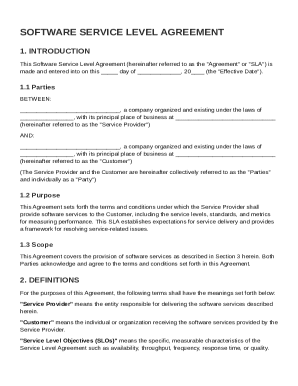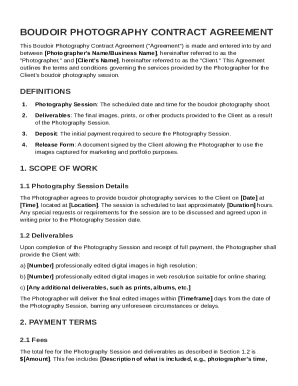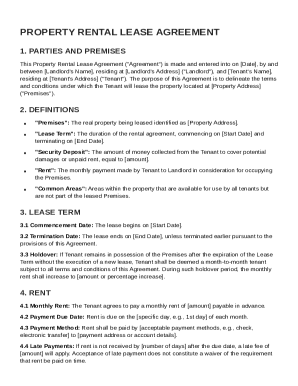







Definition & Meaning of the Application Form
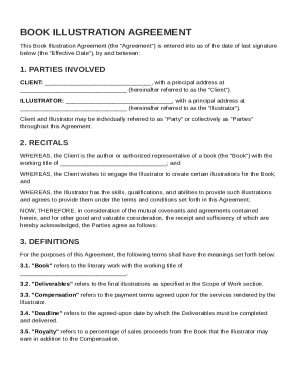
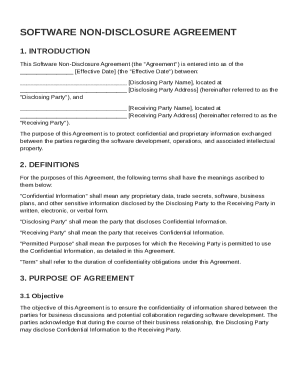
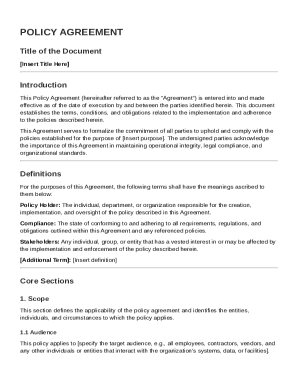
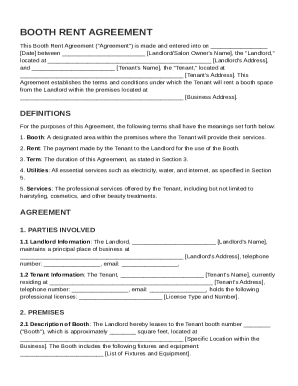
An application form is a standardized template designed to collect specific information from individuals or entities. It serves multiple purposes, such as facilitating requests, acquiring services, or completing registrations. Forms are particularly beneficial in streamlining the data collection process, ensuring that all required information is captured consistently and efficiently.
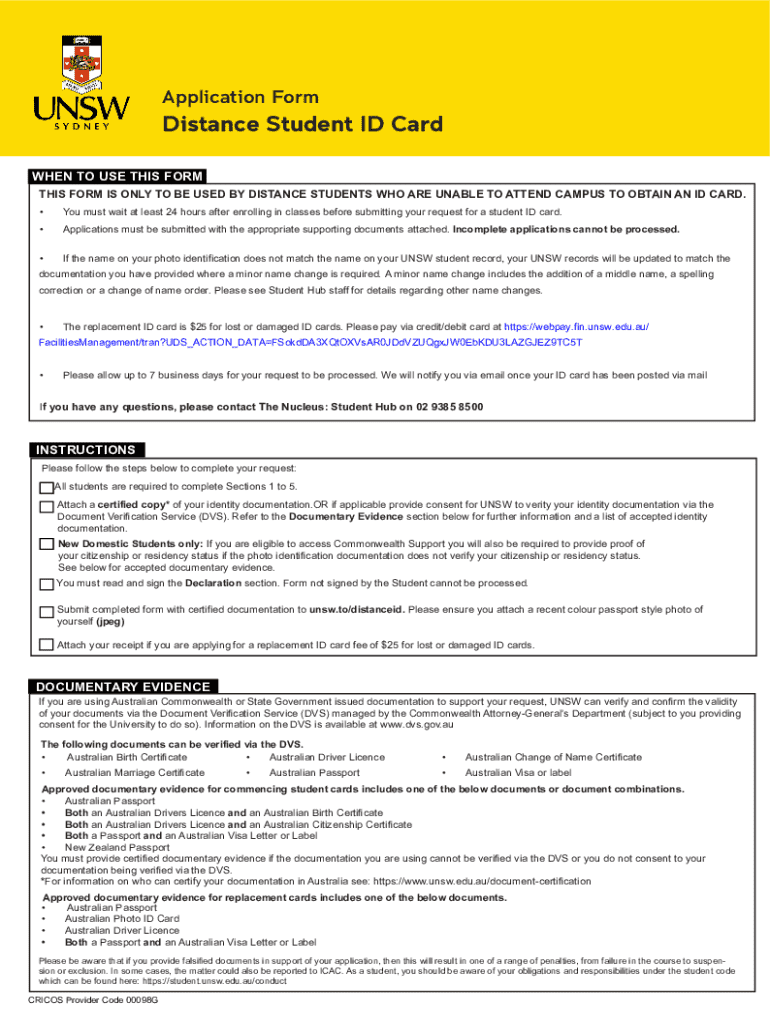
Application forms vary by industry and purpose. For example, a university uses forms to gather student information, while businesses might use them for job or service applications. Each form is structured to capture data relevant to its intended outcome, offering a comprehensive approach to information gathering.
Key Elements of the Application Form
Application forms usually consist of several standard components designed to gather essential information. These elements may include sections for:
- Personal Information: Such as name, address, and contact details.
- Request Specifics: Detailing the nature or purpose of the application.
- Consent and Declarations: Areas where applicants agree to terms or verify the truthfulness of the provided information.
- Supporting Documentation: Fields for listing or uploading necessary supplementary documents.
- Signature Field: A space for handwritten or electronic signatures, verifying the authenticity of the submitted details.
Each of these elements helps ensure that all pertinent information is gathered systematically, enabling efficient processing of applications.
Steps to Complete the Application Form
Completing an application form accurately is crucial to its successful submission. Follow these steps:
- Read Instructions Thoroughly: Understand the requirements and guidelines before starting.
- Gather Required Documents: Ensure all supporting documentation is ready for upload or mailing.
- Fill Out Personal Details: Enter all personal information carefully, checking for spelling or errors.
- Provide Accurate Responses: Answer all questions honestly and thoroughly, paying attention to any required fields.
- Review and Verify Information: Double-check each section for completeness and accuracy.
- Sign and Date the Form: Use the provided signature field to finalize your application.
- Submit as Instructed: Follow the specified submission method—online, mail, or in-person.
Required Documents for the Application Form
Application forms often require additional documentation to verify the information provided. Commonly required documents might include:
- Identification Proof: Such as a driver's license or passport.
- License or Certification Copies: Relevant to the purpose of the form, such as professional credentials.
- Financial Statements: If the form relates to service requests or financial applications.
- Photo Requirements: Updated photographs if instructed.
Ensure that all documents are current and meet the form’s specifications to avoid delays in processing.
How to Obtain the Application Form
Application forms can be accessed through various channels:
- Online Portals: Many forms are available on official websites for direct download or completion online.
- Email Requests: Request forms via email from the issuing organization.
- In-Person Pick-Up: Physical copies may be available at designated offices or customer service centers.
- Third-Party Platforms: Forms may also be downloadable from authorized third-party service websites.
Choose the method that best suits your convenience and ensures timely access to the form.
Eligibility Criteria for the Application Form
Eligibility criteria define who can use the application form and under what conditions. This section addresses:
- Age Requirements: Minimum or maximum age limits applicable to the form.
- Residency Regulations: Conditions regarding the applicant’s residency status.
- Professional Qualifications: Necessary educational or professional certifications.
- Income Restrictions: Financial thresholds relevant to certain forms, such as financial aid or housing assistance.
Understanding the eligibility criteria ensures that applicants do not submit forms unnecessarily if they fail to meet basic conditions.


Form Submission Methods: Online, Mail, In-Person
Different forms support varying submission processes. Here’s how each method typically works:
- Online Submissions: Completed through digital portals, ensuring immediate receipt and processing.
- Mail Submissions: Printed forms and required documents are sent via postal services, which may take longer to process.
- In-Person Deliveries: Direct submissions at physical locations, often yielding immediate confirmation of receipt.
Each method has unique benefits and constraints. Choose the method based on urgency, document security, and convenience.
Who Typically Uses the Application Form
Application forms cater to a wide range of users depending on the form’s purpose:
- Students: Use institutional forms for enrollment, financial aid, or ID cards.
- Job Seekers: Complete application forms for employment opportunities.
- Residents: Use forms for government services, housing applications, and local events.
- Businesses: Submit forms for licensure, permits, or partnership inquiries.
Understanding the specific groups most likely to use the form enriches its design and data collection efficiency.

Legal Use of the Application Form
Legal compliance is essential when using application forms. This encompasses:
- Data Protection Laws: Ensuring that applicant data is collected, stored, and used according to regulations such as GDPR or CCPA.
- Terms of Service Compliance: Adhering to terms delineated by the form issuer, especially when involving licensing or sensitive information.
- Authorization Requirements: Obtaining necessary permissions or notations for specific fields.
A legal understanding provides a foundation of trust and integrity, reinforcing the significance of accurate and ethical form handling.