Proof of disability 2026

Get Form
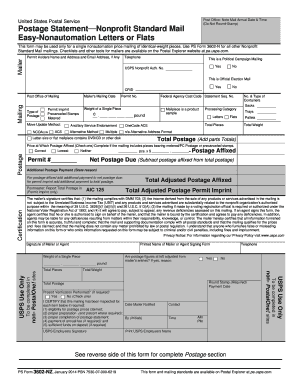
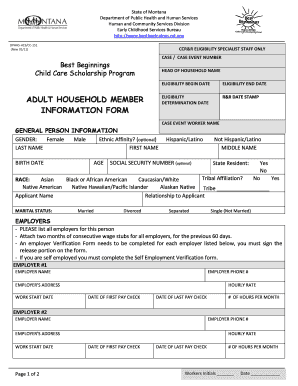
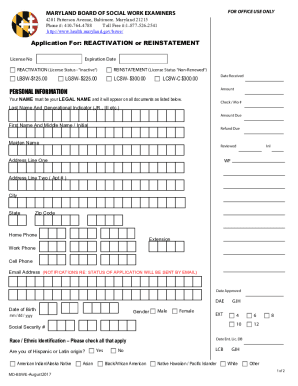
proof of disability Preview on Page 1

Here's how it works

01. Edit your proof of disability online
Type text, add images, blackout confidential details, add comments, highlights and more.

02. Sign it in a few clicks
Draw your signature, type it, upload its image, or use your mobile device as a signature pad.

03. Share your form with others
Send lc 5012 14 db 450 via email, link, or fax. You can also download it, export it or print it out.

Definition and Meaning of Proof of Disability

Proof of disability is a document or form used to confirm an individual's disability status, often necessary for accessing benefits or services. The document verifies that a person meets specific criteria for disability as outlined by governmental or organizational guidelines. It's typically required in situations like applying for disability benefits, accommodations in educational settings, or workplace adjustments.

The proof generally includes a medical professional's certification detailing the nature and extent of the individual's disability. It is important to recognize that terms and acceptance criteria can vary across different organizations and states.

How to Use the Proof of Disability

Utilizing proof of disability involves submitting the document to relevant authorities or organizations to access disability benefits or services. For instance, applicants may use it to apply for Social Security Disability Insurance (SSDI) or Supplemental Security Income (SSI) if residing in the United States.

  • Educational settings: Students might submit proof to request accommodations, such as extended exam times.
  • Employment: Employees may need the document to negotiate reasonable accommodations at work.
  • Public services: Individuals might present it to access particular public services or benefits.

Ensuring the document is correctly completed and accurately reflects the individual's condition is crucial for acceptance and avoiding delays.

How to Obtain Proof of Disability

Obtaining a proof of disability typically requires the applicant to consult with a medical professional who can verify the disability status. The process generally involves:

  1. Medical Examination: Arrange an appointment with a healthcare provider qualified to assess and document the condition.
  2. Documentation: Provide any relevant medical records or previous diagnoses that support the disability claim.
  3. Form Completion: The healthcare provider completes the required sections of the form, attesting to the nature and extent of the disability.

Applicants should verify any specific documents or information required by the entity requesting the proof to ensure all criteria are met.

Steps to Complete the Proof of Disability

Completing a proof of disability form involves several detailed steps to ensure all information is correctly documented:

  1. Personal Information: Start with the applicant's personal details, including name, address, and contact information.
  2. Disability Details: Describe the nature of the disability, including onset date and how it affects daily life.
  3. Medical Evaluation: A licensed medical professional should complete the medical section, providing diagnosis and treatment information.
  4. Signatures: Ensure both the medical professional and the applicant sign the form, acknowledging the accuracy of provided information.

Review the completed form for any errors or omissions before submission, as inaccuracies can lead to processing delays.

Key Elements of the Proof of Disability

Several critical elements must be included for a proof of disability form to be considered complete and valid:

  • Applicant Identification: Detailed personal and contact information.
  • Disability Diagnosis: Specific medical diagnosis and description of the disability.
  • Functional Limitations: Explanation of how the disability impacts daily activities.
  • Medical Provider’s Certification: Signature and credentials of a licensed healthcare provider confirming the diagnosis.
  • Date of Certification: The date the document was completed and signed.

These elements ensure that the form meets the necessary standards for the intended purpose.

Important Terms Related to Proof of Disability

Understanding important terms can clarify the purpose and requirements of the proof of disability:

  • Disability: A physical or mental impairment limiting major life activities.
  • Reasonable Accommodation: Modifications or adjustments provided to enable equal access to opportunities.
  • Certification: The process by which a medical professional confirms and supports the disability claim.
  • Eligibility Criteria: Conditions and requirements that determine qualification for disability status or benefits.

These terms often appear in documentation and discussions related to proof of disability.

Legal Use of the Proof of Disability

Proof of disability serves as a legal document in various contexts:

  • Access to Benefits: It's required for obtaining government assistance such as SSDI or SSI.
  • Legal Protection: Ensures compliance with laws like the Americans with Disabilities Act (ADA) that protect against disability discrimination.
  • Dispute Resolution: Can be used as evidence in legal disputes regarding disability entitlements or accommodations.

Understanding how proof of disability fits within legal frameworks helps ensure proper use and compliance.

Examples of Using the Proof of Disability

The proof of disability can be employed in various scenarios to facilitate access to necessary services and rights:

  • Workplace Modifications: An employee with a chronic illness might use the document to request flexible work hours.
  • Educational Adjustments: A student with ADHD might submit proof to qualify for additional time on exams.
  • Access to Facilities: Individuals may use this form to access transportation services catered to those with disabilities.

Examples illustrate the practical applications of proof of disability across different life areas and needs.

be ready to get more

Complete this form in 5 minutes or less

Get form

Got questions?

We have answers to the most popular questions from our customers. If you can't find an answer to your question, please contact us.
Contact us
You can only be asked about your health or disability: to help decide if you can carry out a task that is an essential part of the work. to help find out if you can take part in an interview. to help decide if the interviewers need to make reasonable adjustments for you in a selection process.
The disability certificate and/ or Identity card is the basic document that a person with any disability of more than 40 percent requires in order to avail any facilities, benefits or concessions under the available schemes. This is not required for getting admission in a school for formal education.
E.g. I attended my GP with symptoms of suspected [disability] on [date]. I was referred to a specialist consultant on [date] and after further tests was diagnosed with [disability] on [date].
Statements or letters on a physicians/medical professionals letterhead stationary. Statements, records or letters from a Federal Government agency that issues or provides disability benefits. Statements, records or letters from a State Vocational Rehabilitation Agency counselor.
Some examples of disabilities include: Cancer. Diabetes. Post-traumatic stress disorder. . Autism. Cerebral palsy. Deafness or hearing loss. Blindness or low vision.

Security and compliance

At DocHub, your data security is our priority. We follow HIPAA, SOC2, GDPR, and other standards, so you can work on your documents with confidence.

Learn more
ccpa2
pci-dss
gdpr-compliance
hipaa
soc-compliance

People also ask

Such documentation, when appropriate, may include standardized test data from appropriate evaluation instruments; a comprehensive evaluation; a relevant history; or a personal statement describing the individuals disability, impairment, areas of limitation, effects on test taking and testing accommodation needs.

Related links