





Definition & Meaning
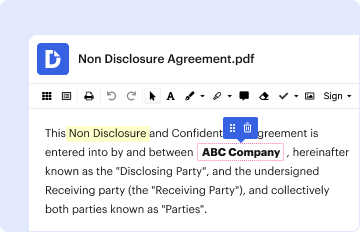
The term "form online" refers to a digital version of a traditional paper form that can be accessed and completed over the internet. These forms are designed to streamline processes by allowing users to fill out necessary information electronically, which can be submitted immediately to a designated party. In a broad sense, "form online" covers a wide range of documents that can serve purposes like applications, registrations, surveys, and more. They are a critical component in modern document management, as they save time, reduce paper waste, and improve the accuracy of data entry.
Steps to Complete the Form Online
Completing a form online typically involves several specific steps, which can vary slightly depending on the platform or purpose of the form. Here's a general outline of the process:
-
Access the Form: Visit the website or platform hosting the form. Ensure you have the necessary permissions or login credentials if required.
-
Fill in Required Information: Carefully input all required fields. These often include personal or business information pertinent to the form's purpose. Be attentive to mandatory fields marked with an asterisk.
-
Review and Correct Mistakes: After completing all fields, review the form for any errors or omissions. Many platforms allow you to edit entries before final submission.
-
Attach Supporting Documents: Attach any necessary documents using the upload function provided. Commonly requested documents might include identification, proof of income, or previous records.
-
Submit the Form: Once satisfied, submit the form using the designated button. Some systems will provide a confirmation or tracking number to verify submission.
-
Follow Up: Keep a copy of the submitted form and any receipt numbers. Follow up if you do not receive a confirmation within the expected timeframe.
Why You Should Form Online
Using an online form offers numerous advantages over traditional paper methods, particularly in terms of efficiency and compliance. Online forms reduce the need for physical storage and eliminate the time-consuming step of manual data entry. They also enhance accuracy, as digital entry often includes validation checks that minimize the risk of input errors.
Environmental benefits are another compelling reason to opt for online forms, as they significantly cut down on paper usage and related waste. For large organizations, this reduction can lead to considerable cost savings in terms of both materials and processing labor. Additionally, encrypted online forms provide enhanced security for sensitive information, ensuring data protection at every stage from entry to submission.
Important Terms Related to Form Online
Understanding the terminology associated with online forms helps in navigating and utilizing them effectively. Here are some critical terms:
-
Fillable Fields: Areas within a form that the user is required to complete, which can include text boxes, drop-down menus, and checkboxes.
-
Encryption: The method of securing data input into the online form, ensuring that personal information is protected from unauthorized access.
-
Validation: A process that checks data entered in form fields for accuracy and completeness before submission.
-
Responsive Design: A form's capability to display properly across various devices, such as tablets and smartphones.
-
Submission Confirmation: An automated message or receipt generated post-submission, indicating successful form delivery.
Legal Use of the Form Online
Online forms are legally recognized in various contexts, assuming they comply with relevant standards and regulations. For instance, many contracts and agreements completed and signed online hold the same legal weight as their hard copy counterparts. However, it is crucial that these forms adhere to electronic signing and records acts, such as the ESIGN Act in the United States or similar regulations in other jurisdictions.
Compliance with relevant data protection laws, like the General Data Protection Regulation (GDPR) in Europe or the California Consumer Privacy Act (CCPA), is also essential when handling personal data through online forms. This includes having clear privacy notices and obtaining user consent for data collection.
How to Obtain the Form Online
Forms can be obtained from a variety of sources online depending on their nature and purpose:
-
Government Websites: Official sites often host forms for tax filings, permit applications, or employment benefits.
-
Company Portals: Many companies provide customer account forms or employee onboarding documents directly via their internal or public web portals.
-
Document Management Services: Platforms like DocHub offer templates and blank forms for various needs, which can be downloaded or filled out directly on the platform.
To locate a specific form, you should start by identifying the relevant agency or service provider and navigating through their official website. Most organizations have a designated "Forms" section that categorizes and lists available documents.
Key Elements of the Form Online
Every online form comprises essential elements designed to capture data effectively and facilitate easy understanding for the user. These elements include:
-
Header Section: Often includes the form title and brief instructions or purpose statement.
-
Data Fields: Specific areas where data is entered, including required and optional fields, often marked clearly for user guidance.
-
Instructions and Guides: Contextual help or tooltips that offer additional guidance on how to complete the form.
-
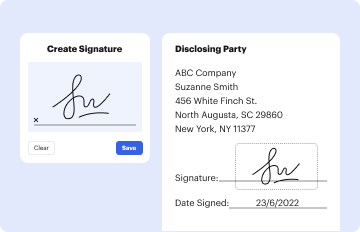
Signature Field: For legally binding forms, a field to digitally sign the document.
-
Submission Button: A clearly marked button for the final submission of the form, often with a secondary feature to review the form before sending.
State-Specific Rules for the Form Online
If a form pertains to specific jurisdictions, like state-specific taxes or local government permits, it may be subject to particular rules and standards. This might influence both the form's content and its submission procedure. Understanding these nuances is critical, as failing to comply with state-specific guidelines can lead to form rejection or legal compliance issues.
For example, state tax forms often require residency verification or proof of state-based deductions, which means the online form must provide appropriate options and fields for these elements. It is essential to stay updated on local law changes, as these can influence the filing requirements for specific forms.